
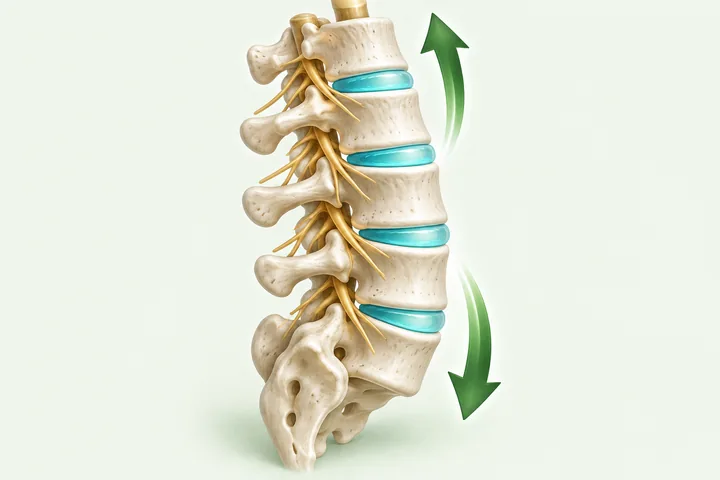
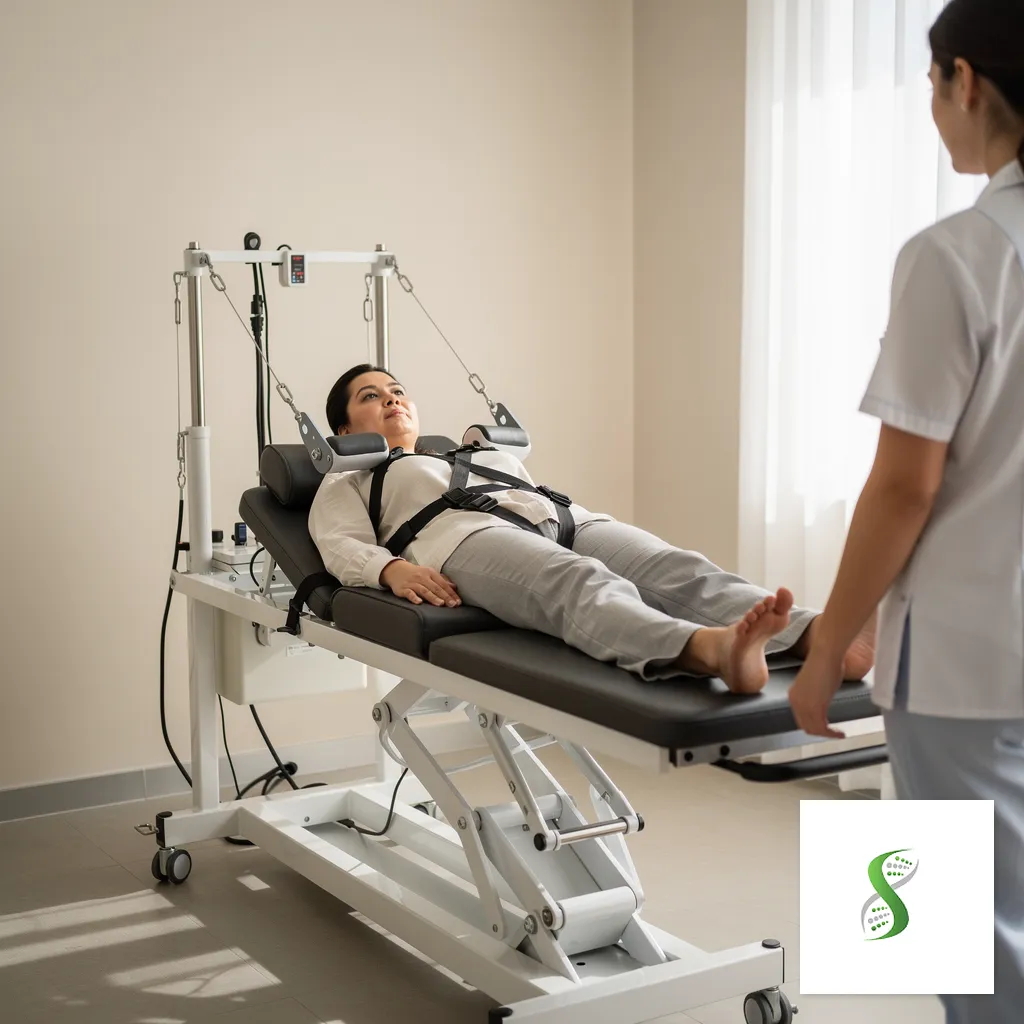
When it comes to How Effective Is Non-Surgical Spinal Decompression Therapy for Chronic Back Pain Relief?, non-surgical spinal decompression therapy relieves chronic back pain by reducing disc pressure and promoting nutrient flow to spinal discs. Pivotal Health in Lake Worth Beach, Florida, offers this treatment as a proven alternative to surgery, helping patients achieve lasting relief without invasive procedures or extended recovery time.
Claims of non-surgical spinal decompression therapy, marketed at costs exceeding pricing varies outpace the scientific literature supporting them. Evidence remains insufficient to confirm consistent efficacy for chronic back pain. Patients should discuss proven non-invasive options with their provider before pursuing this costly treatment.
Explore Further: Our Pain Management Resources
- Pricing varies by package; contact the brand directly for more information. Non-surgical spinal decompression therapy represents the modern evolution of traction therapy.
- Traction therapy has been used to treat low back pain for decades with varying documented results.
- Acute back pain typically resolves independently with pain relievers, muscle relaxants, and hot or cold therapy.
- Healthcare providers recommend decompression therapy for herniated discs, sciatica, and other specific spinal conditions requiring intervention.
What Is Non-Surgical Spinal Decompression Therapy?
Non-surgical spinal decompression therapy uses gentle, mechanical traction to stretch the spine and relieve pressure on compressed discs and nerves. Chronic low back pain sufferers often turn to this approach after home remedies and medication fail to deliver lasting relief. The method builds on decades of clinical use of traditional traction therapy, refined into a targeted, motorized system designed for herniated discs, sciatica, and degenerative disc disease.
How does spinal decompression differ from traditional traction?
Traction therapy has treated low back pain for generations, applying steady pulling force to the spine. Spinal decompression represents the modern evolution of that concept, using controlled, computer-guided cycles of stretch and release rather than constant pull. The goal stays the same: create space between vertebrae so discs can rehydrate and heal.
At Pivotal Health, spinal decompression rarely stands alone. Clinicians pair it with several complementary, non-surgical treatments to address the root cause of pain rather than mask symptoms. Patients considering decompression typically encounter a broader care plan that may include:
- Regenerative medicine to support tissue repair
- Chiropractic adjustments for spinal alignment
- Shockwave therapy to stimulate healing in soft tissue
- Laser therapy for pain reduction and inflammation control
This combined approach reflects over 30 years of clinical expertise. For patients weighing surgery against conservative care, understanding how decompression fits within a full treatment strategy matters as much as the technique itself.
Does Spinal Decompression Really Relieve Chronic Pain?
Results vary by patient, and honest answers to how effective is non-surgical spinal decompression therapy for chronic back pain relief require looking at both the research and the reasoning behind the therapy. Non-surgical spinal decompression therapy works by gently stretching the spine to reduce pressure on discs. Nerves, a mechanism that makes physiological sense for many cases of disc-related pain. Chronic low back pain affects roughly one in five adults who experience a back pain episode, which explains why so many patients search for options beyond pills and rest.
The scientific record on decompression is thinner than marketing claims often suggest. Peer-reviewed literature reviews report just one small randomized controlled trial alongside several lower-quality efficacy studies. Researchers have flagged concerns about the overall quality of that evidence. That does not mean the therapy fails patients; it means claims of guaranteed results deserve skepticism.
Is spinal decompression backed by strong clinical evidence?
Not yet, at least not by the highest research standards. The available studies remain limited in number and rigor. Clinicians and patients alike should treat decompression as one tool among several rather than a proven cure.
How does Pivotal Health approach decompression for chronic pain?
Pivotal Health’s clinical team brings decades of combined experience to help patients weigh decompression against other conservative paths. Rather than presenting it as a standalone fix, the clinic positions decompression within a broader toolkit:
- Spinal decompression for disc-related pressure and nerve irritation
- Chiropractic care for joint mobility and alignment
- Shockwave and laser therapies for soft-tissue healing
- Regenerative medicine approaches for deeper tissue support
This combined approach reflects how the clinic evaluates each patient’s history before recommending decompression alone or paired with complementary therapies for lasting relief.

What Are the Pros and Cons to Weigh?
Weighing spinal decompression means looking honestly at both benefits and limitations before committing time and money. Chronic back pain, leg pain, and herniated discs push many patients toward non-surgical spinal decompression therapy as an alternative to invasive procedures. That option carries real appeal, but it also demands realistic expectations about what it can and cannot fix.
Consideration
Potential Benefit
Potential Drawback
Invasiveness
Avoids surgical risk and recovery downtime
Not a guaranteed substitute for surgery in severe cases
Approach
Fits within a broader conservative care plan
Requires commitment to multiple sessions
Personalization
Adjusted to the patient’s specific condition
Less effective without a tailored plan
Local access
Available through an established Lake Worth Beach practice
Best paired with an in-person evaluation
Outcomes differ from one spine condition to the next, which is exactly why Pivotal Health avoids a single-formula approach. Instead, the practice builds personalized treatment plans centered on minimally invasive care, aiming to restore function and quality of life rather than mask symptoms. A herniated disc and degenerative disc disease rarely respond the same way to identical protocols.
Is spinal decompression right for every back pain patient?
Not automatically. Response depends on the specific diagnosis, how long the pain has persisted, and overall spinal health. A thorough evaluation determines candidacy before any plan moves forward.
How can patients get a straight answer about their own case?
Chronic pain sufferers weighing this therapy’s pros and cons benefit most from a direct conversation with a clinical team. Patients can review their imaging, history, and goals with the Pivotal Health team in Lake Worth Beach, Florida. That conversation, not a generic sales pitch, is what turns uncertainty into a clear next step.
Are You a Good Candidate for Decompression?
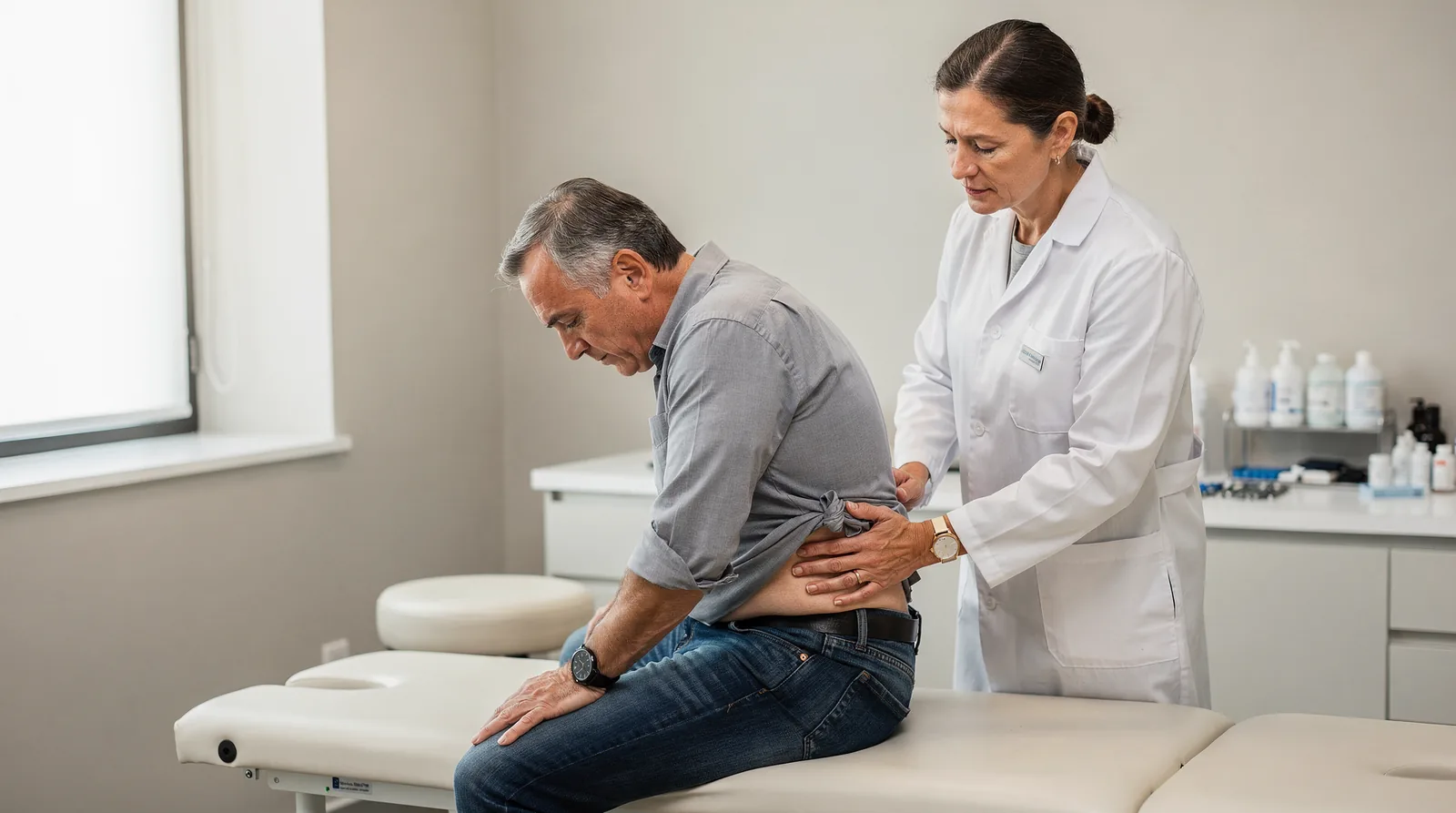
Good candidates for spinal decompression typically carry a diagnosed condition, not just vague soreness. Clinicians most often recommend non-surgical spinal decompression therapy for patients coping with herniated discs, sciatica, or other confirmed spinal issues that have turned into lasting, chronic back pain. A single sore morning rarely qualifies; a recurring pattern tied to nerve compression usually does.
Diagnosis matters more than symptoms alone. Pivotal Health does not treat decompression as a one-size-fits-all fix. Instead, the clinical team investigates the underlying source of a patient’s discomfort before recommending any protocol, ensuring the treatment plan matches the actual structural or neurological cause rather than masking pain temporarily.
What Conditions Make Someone a Strong Fit?
Patients with disc-related nerve irritation, ongoing sciatic pain, or degenerative spinal changes tend to respond best to a structured decompression evaluation. Those with pain traced to a specific spinal segment, rather than diffuse muscular tension, are typically prioritized for assessment.
Where Can Candidacy Be Evaluated?
Residents of Lake Worth Beach and nearby communities can have their candidacy reviewed in person at Pivotal Health’s clinic. A hands-on evaluation allows the care team to confirm whether decompression fits a patient’s specific diagnosis before any treatment begins.
Common markers considered during assessment include:
- A documented herniated or bulging disc
- Persistent sciatica radiating into the hip or leg
- Chronic low back pain unresponsive to rest or over-the-counter relief
- Pain linked to a specific, identifiable spinal cause rather than general stiffness
Not every case of back pain calls for decompression. Reputable care starts with an honest evaluation rather than a blanket recommendation. Patients considering this path are encouraged to seek that root-cause assessment first. Matching the treatment to the diagnosis is what separates lasting chronic back pain relief from a short-lived fix.
How Does Pivotal Health Approach Spinal Decompression?
Pivotal Health treats spinal decompression as one piece of a larger, coordinated recovery plan rather than a standalone fix. Chronic low back pain rarely stems from a single cause. A narrow, one-treatment approach often leaves patients cycling between temporary relief and recurring flare-ups. The clinic’s model pairs non-surgical spinal decompression therapy with regenerative medicine, chiropractic care, shockwave and laser therapies, and physician-guided weight loss. Combining these tools addresses pain and mobility loss from multiple angles at once, rather than treating symptoms in isolation.
What makes Pivotal Health’s treatment plans different?
Plans are built around each patient’s specific function and quality-of-life goals, not a fixed protocol applied to everyone equally. A patient recovering from a herniated disc may need a different sequence of therapies than someone managing degenerative disc disease or sciatica. That individualized structure, prioritizing minimally invasive care, aims to restore movement and daily function for patients across Lake Worth and neighboring communities.
Where can patients access this combined approach?
Residents of Lake Worth Beach, Florida, and surrounding communities can find this integrated, non-surgical care model at Pivotal Health. Rather than defaulting to surgery, the clinic focuses on identifying and addressing the root cause of pain.
Guiding principles behind the sequencing of care include:
- Minimally invasive first: surgical referral is not the starting point.
- Root-cause focus: therapies target the underlying source of pain, not just symptoms.
- Multi-modal support: decompression works alongside chiropractic, regenerative, and weight-management care.
- Individual sequencing: treatment order reflects each patient’s diagnosis and goals.
This layered structure gives chronic pain patients a clearer path toward chronic back pain relief without rushing toward invasive procedures.
Non-surgical spinal decompression therapy represents a meaningful option for patients seeking relief from chronic back pain without invasive procedures. Our experienced team at Pivotal Health recognizes that each patient’s condition is unique. This evidence-based approach addresses underlying spinal issues through gentle, targeted treatment. When combined with a comprehensive wellness plan tailored to individual needs, decompression therapy delivers tangible results for many patients committed to their recovery journey.
FAQ
Does non-surgical spinal decompression therapy work for chronic back pain?
Results vary by patient, and the scientific record remains thin, with reviews citing only one small randomized controlled trial and several lower-quality studies. The mechanism makes physiological sense, but evidence for consistent efficacy stays insufficient.
How much does non-surgical spinal decompression therapy cost?
Pricing varies by package; contact the brand directly for more information. The cost of non-surgical spinal decompression therapy can outpace the scientific literature supporting its claims. Patients should discuss proven non-invasive options with their provider first.
What conditions does Pivotal Health treat with spinal decompression?
Pivotal Health recommends decompression therapy for herniated discs, sciatica, and degenerative disc disease. Clinicians typically pair it with regenerative medicine, chiropractic adjustments, shockwave therapy, and laser therapy for a fuller treatment approach.
Frequently Asked Questions
Is spinal decompression therapy painful?
Most patients describe non-surgical spinal decompression as gentle and comfortable. The controlled, computer-guided stretch-and-release cycles are designed to ease pressure gradually rather than force movement, and sessions at Pivotal Health are adjusted to each patient’s tolerance and diagnosis.
How many sessions of spinal decompression therapy are typically needed?
The number of sessions depends on the severity and duration of the condition being treated. Because Pivotal Health builds personalized treatment plans rather than a fixed protocol, a care plan may combine decompression with chiropractic, regenerative, or laser therapies over a schedule tailored to the patient’s goals.
Is spinal decompression a safe alternative to back surgery?
For many patients with herniated discs, sciatica, or degenerative disc disease, non-surgical decompression offers a way to address pain without the risks or recovery time of surgery. It is not guaranteed to replace surgery in every case, which is why Pivotal Health recommends a thorough evaluation before starting treatment.
What can patients expect during a spinal decompression session at Pivotal Health?
Patients are evaluated first to confirm the treatment fits their specific spinal condition. Sessions typically take place as part of a broader, individualized plan that may pair decompression with chiropractic care, shockwave or laser therapy, or regenerative medicine at the Lake Worth Beach, Florida clinic.
Conclusion
Non-surgical spinal decompression therapy offers a reasonable, low-risk option for patients dealing with herniated discs, sciatica, or degenerative disc disease, but it works best as part of a broader, individualized plan rather than a standalone cure. The clinical evidence is still developing, so honest expectations matter as much as the treatment itself. At Pivotal Health in Lake Worth Beach, Florida, decompression is paired with chiropractic care, regenerative medicine, and other conservative therapies based on each patient’s specific diagnosis, giving chronic back pain sufferers a clear, evaluated path toward lasting relief before considering more invasive options.
Schedule a visit or call 561-434-4900 to speak with our team.