
Spinal decompression therapy is a non‑invasive option that aims to reduce back pain and support spinal recovery. The treatment gently stretches the spine to create negative pressure inside discs, which can relieve nerve compression and encourage healing. For patients with other health conditions, assessing safety and likely benefit is essential. This article reviews how decompression works, its safety for patients with pre‑existing conditions, expected benefits, criteria for eligibility, and complementary therapies that may support recovery.
What Is Spinal Decompression Therapy and How Does It Work?
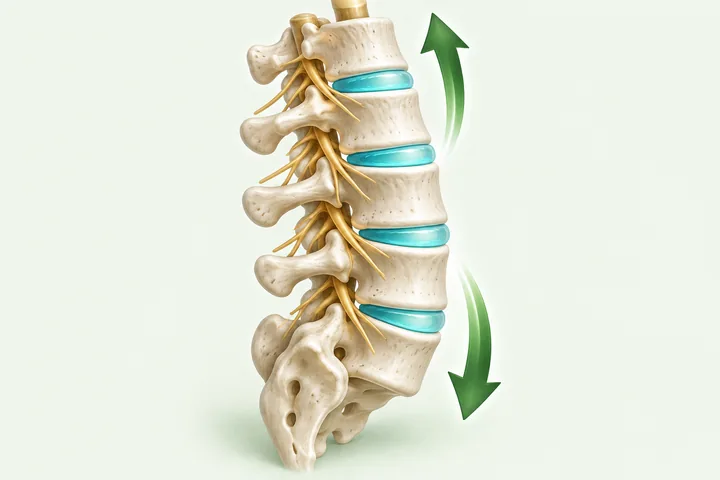
Spinal decompression therapy is a specialized intervention that relieves pressure on spinal discs and adjacent nerves. A controlled traction device applies force to create space between vertebrae. That negative pressure can help rehydrate and reposition bulging or herniated discs. Expected outcomes include reduced pain, improved movement, and support for the spine’s healing processes. You can learn more about spinal decompression therapy at our dedicated page.
Mechanism of Action
The traction device gently stretches the spine to produce negative pressure within the intervertebral discs. This pressure change may draw herniated material back into the disc and reduce nerve compression. The process also promotes disc rehydration, which can improve disc function. Clinically, many patients experience meaningful pain reduction and better mobility after treatment.
Procedure
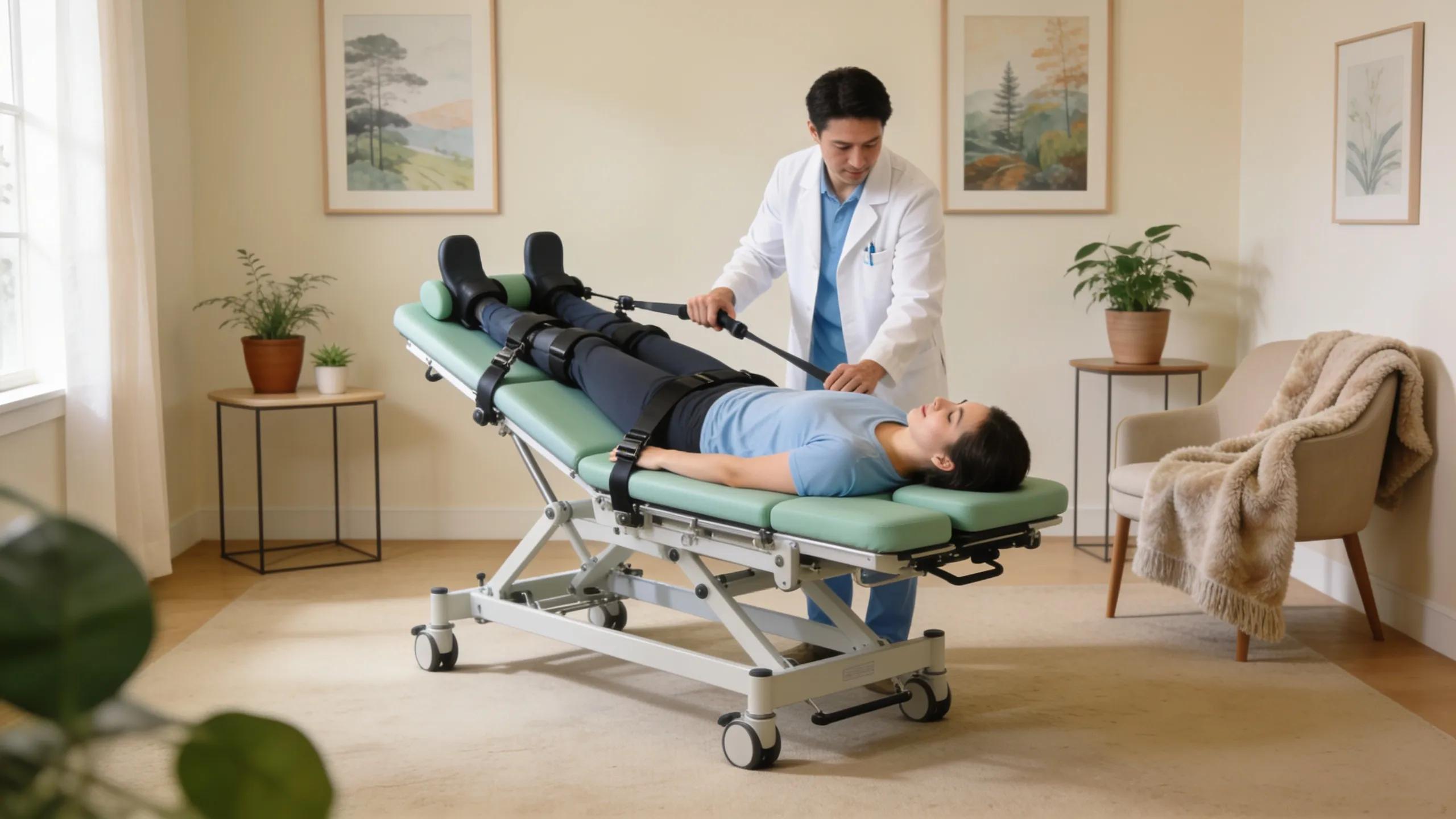
Treatment begins with a thorough consultation and review of medical history. During sessions, the patient lies on a purpose‑built table while the device applies controlled traction. Sessions commonly last about 30–45 minutes and are often combined with physical therapy or chiropractic care to maximise overall effectiveness.
Intended Outcomes
The main goals are to reduce pain, restore mobility, and support healing of spinal structures. Patients frequently report relief from chronic back pain, increased flexibility, and an improved quality of life. The therapy is commonly used for conditions such as herniated discs, spinal stenosis, and sciatica.
Safety for Patients with Existing Health Conditions

Evaluating safety for patients with pre‑existing conditions requires a careful, individualized approach. Many patients are suitable candidates, but some medical issues call for additional precautions or alternative plans. A qualified clinician should perform a complete assessment to determine whether decompression is appropriate.
What Conditions Does Spinal Decompression Therapy Treat?
Spinal decompression is used to treat several common spinal disorders, including the conditions listed below.
- Herniated Discs: This therapy can help alleviate pressure on the nerves caused by bulging or herniated discs.
- Spinal Stenosis: Patients with narrowing of the spinal canal may find relief through decompression techniques.
- Chronic Back Pain: Many individuals suffering from persistent back pain can benefit from this non-invasive treatment.
How Is Spinal Decompression Therapy Administered Safely?
Safe administration relies on several core protocols. A comprehensive initial consultation assesses medical history and current status. Treatment forces are adjusted to the individual to balance effectiveness and safety. Continuous monitoring during sessions helps detect and prevent adverse responses.
What Are the Safety Considerations for Patients With Pre-Existing Health Conditions?
Patients with existing health issues should have individual evaluations to identify specific risks and necessary adjustments. The clinician will weigh potential benefits against any increased risk due to the patient’s medical history.
How Does Spinal Decompression Therapy Affect Patients With Diabetes and Osteoporosis?
Patients with diabetes may benefit from decompression, but diabetes can affect healing and nerve function, so monitoring and a tailored plan are important. For those with osteoporosis, forces and protocols may need modification to avoid undue stress on weakened bone. Consultation with a healthcare provider is essential to confirm safety and expected outcomes.
Is Spinal Decompression Therapy Safe for Neuropathy Patients?
Spinal decompression can be safe for patients with neuropathy and may relieve nerve compression and associated symptoms. Some clinical evidence shows that neuropathy patients experience pain reduction and functional improvement. As always, individual assessment determines whether the therapy is suitable.
Understanding Spinal Decompression Safety and Benefits
Although generally safe, spinal decompression has specific contraindications and potential risks. Certain conditions may make the therapy inappropriate or require alternate treatments.
Who Should Avoid Spinal Decompression Therapy?
Individuals with the following conditions should seek specialist advice before considering spinal decompression:
- Severe Osteoporosis: Patients with significant bone density loss may be at risk for fractures.
- Spinal Tumors: Those with tumors in the spine should avoid this therapy due to potential complications.
- Acute Injuries: Recent fractures or injuries may require alternative treatment approaches.
What Are the Potential Risks and Side Effects?
Possible risks and side effects include:
- Temporary Discomfort: Some patients may experience mild discomfort during or after treatment.
- Nerve Irritation: In rare cases, nerve irritation may occur, leading to increased pain.
- Muscle Spasms: Patients may experience muscle spasms as the body adjusts to the therapy.
What Are the Benefits and Expected Outcomes of Spinal Decompression Therapy?

Spinal decompression can improve pain levels, mobility, and overall spinal health, which often translates to a better day‑to‑day quality of life. For patients seeking coordinated care, services such as those offered at Pivotal Health and Wellness provide integrated approaches to recovery.
How Does Spinal Decompression Therapy Help Manage Chronic Pain?
Evidence shows decompression reduces pressure on spinal nerves and supports tissue healing, which can translate into meaningful pain relief. Many patients report improved function after a course of treatment.
What Are the Long-Term Wellness Advantages?
Long‑term benefits may include sustained pain reduction, better mobility, and improved spinal resilience. Patients frequently regain the ability to perform daily activities with less discomfort and greater confidence.
How Do Patients Determine Eligibility and Begin Treatment?
Eligibility is established through a structured consultation and clinical evaluation that considers medical history, symptoms, and diagnostic findings.
What Is the Consultation and Evaluation Process at Pivotal Health and Wellness?
At Pivotal Health and Wellness, the consultation includes a detailed review of medical history, a focused clinical exam, and assessment of symptoms. This comprehensive evaluation allows clinicians to tailor a treatment plan to each patient’s needs.
How Long Does a Typical Treatment Course Take?
A typical course may span 8 to 12 weeks, depending on the condition and response to therapy. Individual sessions usually last about 30–45 minutes, with multiple sessions per week commonly prescribed for optimal benefit.
What Complementary Therapies and Wellness Programs Support Spinal Decompression?
Complementary therapies can strengthen outcomes from decompression. Consider adjunctive options such as regenerative approaches to support healing and reduce inflammation.
How Does Regenerative Medicine Enhance Spinal Health?
Regenerative techniques, for example platelet‑rich plasma (PRP) therapy, can complement decompression by promoting tissue repair and reducing inflammation. When used appropriately, these therapies may improve recovery timelines and outcomes.
What Wellness Programs Aid Recovery and Pain Management?
Programs that combine physical therapy, nutritional guidance, and lifestyle adjustments support recovery and long‑term pain control. A holistic plan ensures care is tailored to the patient’s goals and medical needs.
Frequently Asked Questions
1. Can spinal decompression therapy help with muscle spasms?
Yes. By reducing nerve pressure and improving spinal alignment, decompression often decreases the strain that triggers spasms. Many patients report reduced intensity and frequency of spasms, though individual results vary and clinical review is recommended.
2. What should patients expect during their first spinal decompression session?
The first session includes a clinical evaluation and a review of your medical history. You will lie on the traction table for about 30–45 minutes while the device applies gentle stretching. Clinicians monitor comfort and response throughout. Some patients feel relief; others report mild, short‑lived discomfort.
3. Are there specific lifestyle changes that can enhance the results of spinal decompression therapy?
Yes. Regular exercise, adequate hydration, maintaining a healthy weight, and good posture support spinal health. Following prescribed stretching and strengthening exercises and eating a nutrient‑rich diet for bone and muscle health also help sustain improvements.
4. How does spinal decompression therapy fit into a comprehensive pain management plan?
Decompression is often part of a multimodal pain strategy. It can be combined with physical therapy, chiropractic care, and medication management to address underlying causes and symptoms concurrently, which improves the chance of lasting relief.
5. How often should patients undergo spinal decompression therapy for optimal results?
Typical protocols call for treatments two to three times per week, usually over 8–12 weeks. The exact schedule is personalised by clinicians based on the patient’s condition and progress.
6. Is there any aftercare needed post-spinal decompression therapy?
Aftercare is usually straightforward: gentle stretching, staying hydrated, and avoiding heavy lifting or strenuous activity immediately after sessions. Follow any prescribed post‑treatment exercises or physical therapy to reinforce gains from therapy.
7. Can spinal decompression therapy prevent future back problems?
Decompression can reduce pressure on discs and nerves and help correct alignment, which may lower the risk of recurrence. Ongoing lifestyle measures and participation in wellness programs further reduce the likelihood of future problems.
Conclusion
Spinal decompression therapy can deliver meaningful benefits—pain reduction, improved mobility, and enhanced spinal health—for patients with chronic back conditions. Understanding the therapy’s mechanisms, evidence, and safety considerations, particularly for those with pre‑existing health issues, enables informed decisions. If you are seeking relief, discuss decompression and related options with a qualified provider to determine whether it fits your care plan. Visit our website to learn more about how we can support your recovery today.
Schedule a visit or call 561-434-4900 to speak with our team.