
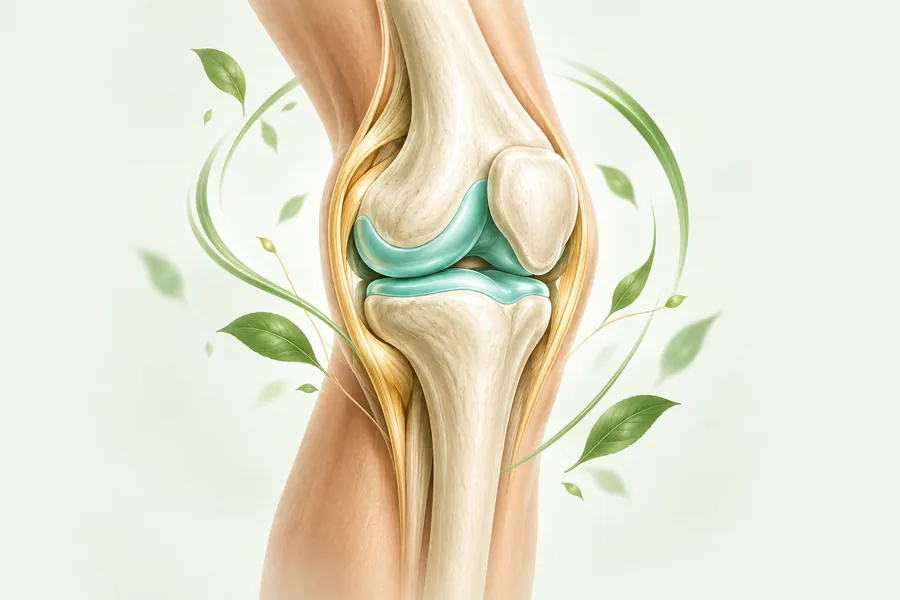

By Darren Lastofsky, Pivotal Health
Regenerative medicine offers non-surgical options for patients with joint pain in Lake Worth. These therapies aim to repair damaged tissue, reduce inflammation and restore function. This article reviews Platelet Rich Plasma (PRP) therapy, stem cell therapy, laser therapy and shockwave therapy, and explains how patient care practices support recovery. It also considers the evidence for treating arthritis so readers can make informed decisions about their joint health.
Effective Non-Surgical Treatments
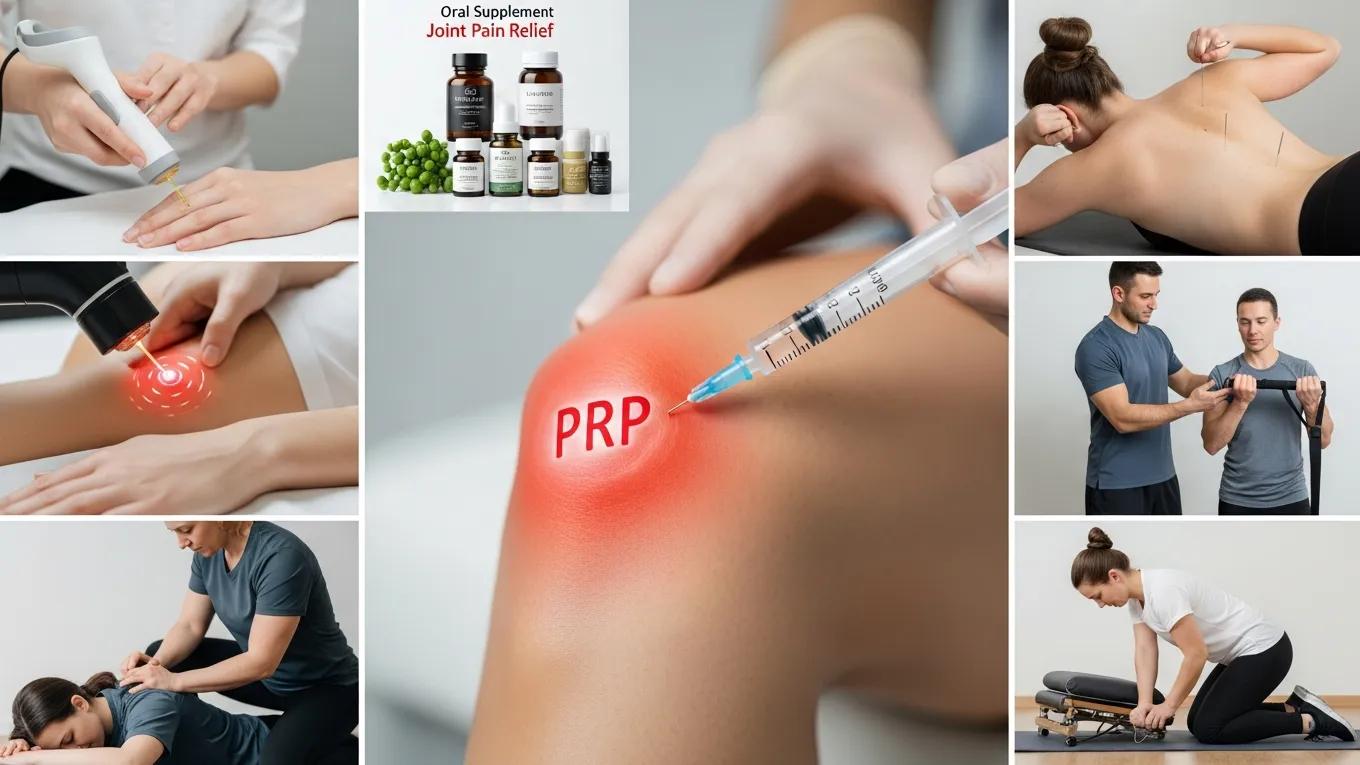
Non-surgical regenerative treatments use the body’s healing mechanisms to lessen pain and improve joint function. They can be effective alternatives to invasive procedures and are selected based on the patient’s condition and goals. The four commonly used approaches—PRP, stem cell, laser and shockwave therapies—each have distinct mechanisms and clinical advantages.
Platelet Rich Plasma (PRP) Therapy
Platelet Rich Plasma (PRP) therapy uses a concentration of the patient’s own platelets to support tissue repair. Blood is drawn, processed to concentrate growth factors, and injected into the injured area to stimulate healing and reduce inflammation. PRP therapy is commonly applied for osteoarthritis and sports injuries and has shown promising reductions in pain and improvements in joint function in many patients.
Emerging studies also examine PRP’s role in chronic inflammatory conditions such as rheumatoid arthritis and suggest potential benefit.
Stem Cell Therapy
Stem cell therapy uses mesenchymal stem cells to support regeneration of joint tissues. When introduced into the joint, these cells can reduce inflammation and encourage repair of cartilage and surrounding structures. Clinical reports indicate improved joint function and pain reduction for some patients, offering a potential long‑term, non‑surgical option for chronic joint conditions.
Laser Therapy
Laser therapy applies focused light to increase circulation and decrease inflammation in the affected area. By improving blood flow and cellular activity, this non‑invasive technique can reduce pain and speed recovery. Laser therapy is often used for arthritis and tendon conditions and can complement other regenerative treatments to enhance outcomes.
Shockwave Therapy
Shockwave therapy delivers acoustic waves to stimulate healing, improve blood flow and reduce pain in chronic conditions. It is commonly recommended for patients who have not responded fully to conventional therapies and has produced meaningful improvements in pain and function in clinical practice.
Patient Care Practices

At Pivotal Health Center, individualized care is central to treatment. Providers perform detailed assessments, explain options clearly and develop tailored plans that address each patient’s goals. Ongoing support, education and coordination with services such as nutrition and physical therapy help optimise recovery and overall wellbeing.
Effectiveness for Arthritis
Evidence shows that regenerative therapies, particularly PRP and stem cell treatments, can reduce pain and improve joint function in patients with arthritis. These approaches aim to address tissue degeneration and inflammation, which may provide longer‑term benefit compared with treatments that only mask symptoms. Clinical studies report meaningful improvements for many patients.
These non‑surgical options can meaningfully improve symptoms and function for many patients with arthritis when selected and applied appropriately.
Regenerative medicine presents a range of non‑surgical therapies that can relieve pain and restore function. Treatments such as PRP, stem cell, laser and shockwave therapies have helped many patients achieve better joint health. Pivotal Health Center emphasises personalised care to maximise benefits and support each patient’s recovery plan.
How Does Platelet Rich Plasma Therapy Promote Joint Healing?
PRP promotes healing by delivering concentrated growth factors from the patient’s blood to the injured site. These factors activate the body’s repair mechanisms, support tissue regeneration and can reduce pain while improving mobility. Clinical evidence shows PRP can produce meaningful reductions in pain and gains in function.
What Role Does Stem Cell Therapy Play in Non Surgical Joint Pain Relief?
Stem cell therapy targets the underlying tissue damage by encouraging regeneration of cartilage and other joint structures. This approach aims to address the root causes of chronic pain, and growing clinical experience continues to refine its applications and expected outcomes.
Educational Resources on Non-Surgical Pain Relief
Benefits include reduced pain, improved function and shorter recovery compared with surgery. Risks are typically limited to injection‑site pain, swelling and, rarely, infection. Discussing benefits and risks with a qualified provider ensures patients make a well‑informed choice.
How Effective Are Non Surgical Regenerative Treatments for Arthritis?
Clinical studies indicate that PRP and stem cell therapies can offer substantial pain relief and functional improvement for many patients with arthritis. A significant portion of treated individuals report sustained symptom reduction, supporting these therapies as viable non‑surgical options.
What Are the Potential Risks and Side Effects of Regenerative Joint Therapy?
Common side effects include temporary pain and swelling at the injection site; infection is rare. Overall, these therapies are generally well tolerated and carry fewer risks than surgical alternatives. Thorough patient education helps balance benefits and potential concerns.
Who Is Eligible for Regenerative Medicine Treatments for Joint Pain?
Eligibility depends on the condition’s type and severity, overall health and prior treatments. Patients with chronic joint pain or limited response to conventional therapies are often considered candidates after a comprehensive clinical evaluation.
What Patient Factors Determine Suitability for PRP and Stem Cell Therapy?
Suitability is based on overall health, the specific joint condition and prior treatment response. A detailed assessment by clinicians determines which therapy best matches the patient’s medical profile and treatment goals.
How Does the Treatment Process Progress from Evaluation to Recovery?
Treatment begins with a comprehensive evaluation and a personalised plan. After the procedure, clinicians monitor recovery and adjust rehabilitation as needed. Recovery timelines vary by treatment type and individual healing rates.
How Is Chiropractic Care Integrated with Regenerative Medicine for Joint Pain?
Chiropractic care can support regenerative treatments by improving joint alignment and mobility. Adjustments and targeted therapies reduce mechanical stress and may enhance the effectiveness of regenerative injections as part of a coordinated care plan.
What Are the Benefits of Combining Chiropractic Adjustments with Regenerative Treatments?
Combining chiropractic care with regenerative therapies can improve joint mechanics, reduce inflammation and support rehabilitation. This integrated approach addresses both symptoms and structural factors to promote more complete recovery.
How Does Multidisciplinary Care Improve Chronic Joint Pain Outcomes?
Multidisciplinary care combines medical, rehabilitative and lifestyle interventions to address multiple contributors to pain. By coordinating therapies such as chiropractic care, nutrition and physical therapy, clinicians can improve function and long‑term outcomes.
How Do Wellness and Weight Management Impact Joint Pain and Regenerative Outcomes?
Wellness and weight management significantly affect joint health. Reducing excess weight lowers joint stress and can enhance the benefits of regenerative treatments, improving pain and mobility.
What Role Does Weight Management Play in Supporting Joint Health?
Weight management reduces load on weight‑bearing joints, which relieves pain and supports function. Diet and exercise are key components of a comprehensive plan that complements regenerative therapy.
Which Wellness Programs Complement Regenerative Medicine in Lake Worth?
Programs that combine exercise, nutritional guidance and patient education work well alongside regenerative treatments. These initiatives promote sustainable improvements and support therapeutic goals for joint pain management.
What Are Common Patient Questions About Regenerative Joint Therapies?
Patients frequently ask about safety, expected benefits, recovery timelines and possible complications. Clear answers from clinicians help set realistic expectations and improve confidence in the chosen treatment plan.
How Long Is Recovery Time After Platelet Rich Plasma or Stem Cell Injections?
Recovery after PRP or stem cell injections is commonly short, often 24 to 48 hours for initial symptoms. Some patients experience mild discomfort initially but can typically resume most daily activities soon after treatment.
Where Can Patients Find Expert Regenerative Medicine Providers in Lake Worth?
Patients seeking experienced regenerative medicine providers in Lake Worth can consult Pivotal Health Center, where a dedicated team offers personalised plans and evidence‑based therapies for joint pain management.
Frequently Asked Questions
What Are the Differences Between PRP and Stem Cell Therapy?
PRP uses concentrated platelets and growth factors from the patient’s blood to stimulate repair and reduce inflammation. Stem cell therapy uses mesenchymal stem cells to promote tissue regeneration and rebuild cartilage. Both aim to relieve pain, but PRP often focuses on reducing inflammation and restoring function while stem cells emphasise tissue regeneration.
Can Regenerative Medicine Help with Other Conditions Besides Joint Pain?
Yes. Regenerative techniques have applications beyond joint pain, including tendon injuries, muscle tears and certain cosmetic concerns. PRP and stem cell therapies have been studied in sports medicine and orthopaedics, showing versatility across multiple types of tissue repair.
How Long Do The Effects of Regenerative Treatments Last?
Duration varies by patient, condition and therapy type. Many patients report pain and function improvements that last months to years. Regular follow‑up allows clinicians to monitor progress and recommend maintenance treatments when appropriate.
What Is the Typical Cost of Regenerative Medicine Treatments?
Costs vary by clinic, therapy and individual needs. PRP and stem cell treatments typically range from $1,000 to $5,000 per treatment cycle. Patients should discuss costs and financing options with their provider to plan treatment responsibly.
Are There Any Dietary Recommendations to Enhance Recovery from These Treatments?
A balanced, anti‑inflammatory diet can support recovery. Adequate hydration, omega‑3 rich foods, antioxidants and a variety of fruits and vegetables help the healing process. Referral to a nutritionist can provide a personalised plan to complement treatment.
What Should Patients Expect During Their First Consultation?
The initial consultation includes a medical history review, physical examination and discussion of treatment options aligned to the patient’s goals. Providers explain procedures, expected outcomes and preparatory steps so patients can make informed decisions about care.
Conclusion
Regenerative medicine provides non‑surgical options that can reduce joint pain and restore function. Treatments such as PRP, stem cell, laser and shockwave therapies have helped many patients achieve better quality of life. Pivotal Health Center emphasises individualised care to maximise results and support patients through treatment and recovery. Contact our team to discuss personalised options for joint health.
Schedule a visit or call 561-434-4900 to speak with our team.