By Darren Lastofsky, Pivotal Health
Peripheral neuropathy causes pain, numbness and weakness in the limbs and affects millions of people. This article reviews non‑invasive treatment options available in Lake Worth and explains how these therapies can reduce symptoms and improve daily functioning. You will find clear explanations of how each treatment works, evidence of effectiveness, and the personalised care approaches local clinics use. Knowing the available options helps patients make informed decisions and access care that can restore comfort and mobility.
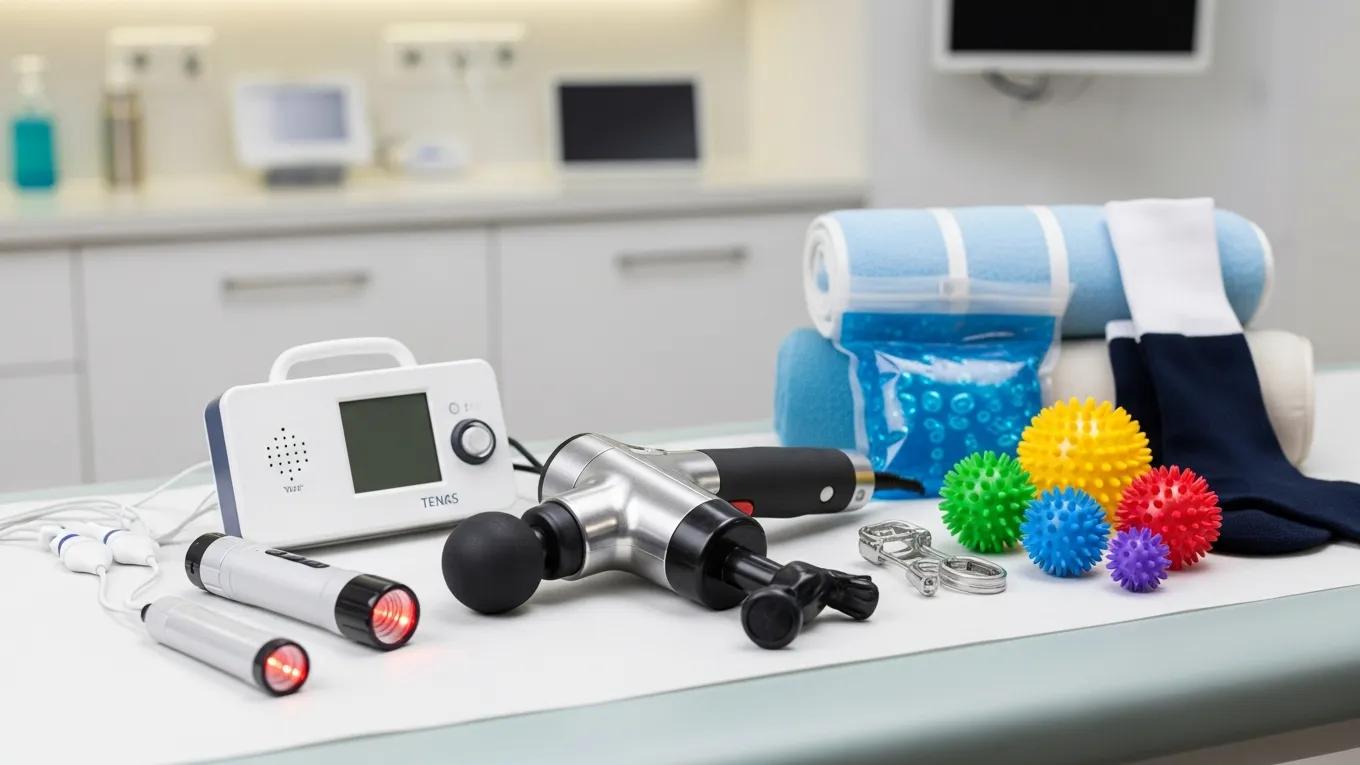
Non‑invasive methods aim to relieve pain and support nerve recovery without surgery. These therapies target inflammation, circulation and tissue repair to improve function. Common non‑surgical options used in clinical practice include the following.
At Pivotal Health and Wellness, clinicians assess each patient and tailor these non‑invasive therapies to the individual’s symptoms and goals.

Effective management of peripheral neuropathy relies on structured, patient‑centred care. Pivotal Health and Wellness emphasises detailed assessment and integrated treatment plans to ensure care matches each patient’s condition and lifestyle.
This holistic model addresses physical symptoms and provides emotional support, improving adherence and overall patient experience.
Comparing therapies helps patients and clinicians choose appropriate care. Clinical studies and patient reports highlight benefits for several non‑invasive options. The table below summarises relative effectiveness and typical patient feedback.
| Treatment Method | Effectiveness | Patient Feedback |
|---|---|---|
| Regenerative Medicine | High | Significant pain reduction and improved mobility reported. |
| Spinal Decompression | Moderate | Many patients experience relief from back pain and improved function. |
| Shockwave Therapy | High | Patients report faster healing and reduced pain levels. |
| Laser Therapy | Moderate | Effective in reducing inflammation and promoting healing. |
| Chiropractic Care | High | Patients often report improved alignment and reduced pain. |
The comparison shows that regenerative medicine and shockwave therapy are frequently rated highly for their effect on neuropathy symptoms.
Research specifically suggests extracorporeal shock wave therapy can be effective in preventing and treating diabetic neuropathy.
Extracorporeal Shock Wave Therapy for Neuropathy
The study tested whether extracorporeal shock wave (ECSW) therapy can protect the sciatic nerve (SN) from diabetes mellitus (DM)‑induced neuropathy in leptin‑deficient (ob/ob) mice.
Extracorporeal shock wave therapy effectively prevented diabetic neuropathy, 2015
Peripheral neuropathy results from damage to the peripheral nerves and produces symptoms such as pain, tingling and weakness. In Lake Worth, common contributors include diabetes and vitamin deficiencies. Recognising how neuropathy affects daily life is the first step toward targeted treatment.
Symptoms vary between patients but often include sensory changes and motor difficulties. Early recognition supports better outcomes.
Causes range from metabolic conditions such as diabetes to autoimmune disease, infections and toxin exposure. Identifying the root cause guides effective treatment choices.
Several factors raise neuropathy risk. Recognising these helps prioritise prevention and early care.
Awareness of risk factors enables patients and clinicians to take proactive steps to protect nerve health.
Pivotal Health and Wellness provides a range of non‑invasive treatments tailored for neuropathy management. These therapies are selected based on clinical assessment and patient goals.
Treatments are customised to each patient’s clinical picture to provide a comprehensive pathway to pain relief.
Chiropractic care contributes to neuropathy management through spinal alignment, soft tissue treatment and rehabilitation advice. These techniques support nerve function and overall recovery.
These interventions aim to reduce pain, restore function and support long‑term wellness when used as part of an integrated care plan.
Evidence from clinical reports and patient outcomes further supports chiropractic techniques as a useful, non‑invasive option for neuropathy pain relief.
Chiropractic for Non-Invasive Neuropathy Pain Relief
Chiropractic care, as presented by Dr Alexander Jimenez, DC, APRN, FNP-BC, in El Paso, Texas, describes a non‑invasive approach to easing neuropathy pain. The referenced comprehensive article reviews diabetic neuropathy, its types and causes, and how chiropractic care combined with other non‑surgical treatments can help manage nerve pain.
Chiropractic Care for Diabetic Neuropathy Relief
Nerve stimulation techniques aim to reduce pain signals and improve nerve performance. They are part of the therapeutic options for neuropathy when appropriate for the patient.
Both approaches have shown benefit in reducing pain and supporting improved daily function for some patients with peripheral neuropathy.
Effective pain control supports rehabilitation and increases the likelihood patients will engage with other therapies. Combining medication, physical therapy and adjunctive treatments can lead to better function and quality of life. Integrating pain management into a comprehensive plan improves adherence and long‑term outcomes.
Managing chronic nerve pain is most effective when clinicians from different disciplines collaborate. This multidisciplinary strategy addresses the multiple factors that contribute to neuropathy symptoms.
Coordinated care ensures treatment plans are comprehensive and matched to each patient’s needs.
Pivotal Health and Wellness develops personalised pain relief plans after individual assessment. Plans commonly combine therapies, lifestyle advice and follow‑up to achieve sustained symptom reduction and improved function.
Wellness and lifestyle programmes complement clinical treatments and support nerve recovery. They focus on nutrition, exercise and stress management to improve overall outcomes.
These supportive measures enhance recovery and help maintain treatment benefits over time.
Holistic strategies address physical, emotional and social factors that influence health. Including these elements in care plans helps patients achieve better overall well‑being.
Applying these measures alongside medical treatments can materially improve quality of life for people with peripheral neuropathy.
Alongside clinical care, certain natural approaches and lifestyle changes can support nerve health. When used appropriately, they complement formal therapies.
These measures are intended to supplement professional treatment and may improve overall symptom management.
Research has examined complementary and alternative medicine (CAM) approaches, including diet, exercise and supplements, as adjuncts in the management of painful peripheral neuropathy.
CAM Therapies for Painful Peripheral Neuropathy
The manuscript reviews current evidence supporting complementary and alternative medicine (CAM) use in neuromuscular disease, specifically painful peripheral neuropathy (PPN). It outlines therapeutic challenges and summarises the best evidence for integrating such therapies into clinical practice, focusing on lifestyle modification, supplements and acupuncture.
Complementary and alternative medicine for painful peripheral neuropathy, F Sadeghifar, 2019
Patient success stories provide practical evidence of treatment benefits. Many patients report meaningful symptom improvement and better daily function after receiving personalised, non‑invasive care.
Local patients describe outcomes such as reduced pain, improved mobility and greater confidence in daily activities. These accounts highlight the value of tailored care and multidisciplinary support.
Such real‑life reports reinforce the clinical findings that appropriately selected non‑invasive treatments can deliver substantial benefits.
Treatment success is measured by reduced pain, improved mobility and patient satisfaction. Regular follow‑up and outcome tracking help clinicians refine plans and preserve long‑term gains.
Patients seeking neuropathy care in Lake Worth can easily access services through local clinics. Pivotal Health and Wellness offers a range of treatment options, and patients can schedule consultations to discuss their specific needs. The clinic accepts various insurance plans, making it accessible for many individuals.
Scheduling a consultation at Pivotal Health and Wellness is straightforward. The initial visit includes a detailed assessment to identify underlying causes and to develop a customised treatment plan.
Expect a structured, supportive process that begins with assessment and leads to a personalised plan. Clinicians provide ongoing monitoring and make adjustments to optimise outcomes throughout your care.
Certain lifestyle changes can reduce symptoms and support nerve health. A balanced diet with adequate vitamins (notably B12 and B1) and antioxidants helps support nerves. Regular exercise, such as walking or swimming, improves circulation and strength. Stress‑reduction techniques like mindfulness or yoga can lessen symptom burden. Avoiding alcohol and smoking also helps protect nerves. Discuss personalised recommendations with your healthcare team.
Several supplements have evidence of benefit for some patients. Alpha‑lipoic acid has antioxidant effects that may reduce symptoms. Vitamin B12 is essential for nerve health and should be corrected if deficient. Omega‑3 fatty acids can support nerve function and reduce inflammation. Consult a clinician before starting supplements to ensure suitability and safe dosing.
Response times vary. Some patients notice improvement within weeks, particularly with shockwave or laser therapies. Others need several months of consistent treatment to achieve significant change. Severity of nerve damage, chosen therapy and individual response all affect timelines. Regular follow‑up helps track progress and adjust treatment.
Reversal depends on the cause. Neuropathy from metabolic issues, such as diabetes, may improve with better control of the underlying condition. Nerve damage from trauma may be less likely to fully reverse. Non‑invasive therapies often reduce symptoms and improve function, but ongoing management is commonly required. Early intervention and a comprehensive plan improve the chance of meaningful recovery.
Physical therapy is central to improving strength, balance and mobility in neuropathy patients. Tailored exercise programmes enhance circulation, reduce pain and prevent complications. Therapists may use manual therapy and neuromuscular re‑education and provide instruction on posture and body mechanics to support daily function.
Non‑invasive treatments are generally low risk but can carry minor adverse effects. Shockwave and laser therapies may cause temporary discomfort or skin irritation. Chiropractic adjustments can cause transient muscle soreness in some cases. A thorough medical history and assessment help identify contraindications and reduce risk before treatment begins.
Non‑invasive treatment options in Lake Worth offer effective pathways to reduce neuropathy pain and restore function. Personalised care plans, delivered by experienced clinicians, address the individual needs of each patient and improve long‑term outcomes. Contact Pivotal Health and Wellness to arrange a consultation and learn which evidence‑based options best suit your neuropathy care.