
By Darren Lastofsky, Pivotal Health
Neuropathy, caused by damage to peripheral nerves, can produce significant pain and reduced function. In Lake Worth, FL, clinics offer a range of evidence‑based options to help manage symptoms. This article reviews leading treatments, examines their effectiveness and patient experiences, and describes the personalised care available locally. You will find clear information on non‑invasive therapies, pain management strategies, and lifestyle changes that can improve daily function and comfort. Understanding these options helps patients make informed decisions about their care.
Treatment approaches vary to address specific symptoms and underlying causes. They can be grouped into non‑invasive methods, chiropractic care, and pain‑management strategies. Knowing these categories helps patients choose the most suitable approach.
Each type contributes to symptom control and overall well‑being when applied appropriately and tailored to the patient.
Recent studies point to regenerative methods, such as platelet‑rich plasma, as promising for sustained pain reduction.
Platelet-Rich Plasma for Permanent Neuropathic Pain Relief
Many conventional drugs and techniques provide only temporary relief for chronic neuropathic pain and can cause significant side effects. They generally do not complete the normal wound‑healing cascade. This paper proposes that applying platelet‑rich plasma (PRP) at the site of pain could trigger the full sequence of wound repair events and potentially eliminate chronic neuropathic pain.
Platelet-rich plasma and the elimination of neuropathic pain, 2013
Treatment effectiveness depends on the cause and severity of neuropathy and on the selected therapies. Clinical research and patient reports show that many people achieve meaningful symptom relief when therapies are combined and customised to their needs.
| Treatment Type | Effectiveness | Patient Feedback |
|---|---|---|
| Chiropractic Care | High | Many patients report reduced pain and improved mobility. |
| Regenerative Medicine | Moderate to High | Patients often experience improvements in nerve function. |
| Pain Management Techniques | Variable | Effectiveness can vary; some patients find substantial relief, while others may need to explore additional options. |
These findings underscore the need for personalised treatment plans that reflect each patient's condition and response to therapy.

Patient reports offer practical evidence of how treatments perform in daily life. Many patients report better outcomes when care is customized. Testimonials often highlight the following aspects:
These accounts emphasise the value of clinics that prioritise patient satisfaction and coordinated treatment strategies.
Non‑invasive options — including chiropractic care, regenerative techniques, and structured pain‑management programs — can reduce symptoms and support nerve recovery. Each approach offers specific benefits for nerve health and pain control.
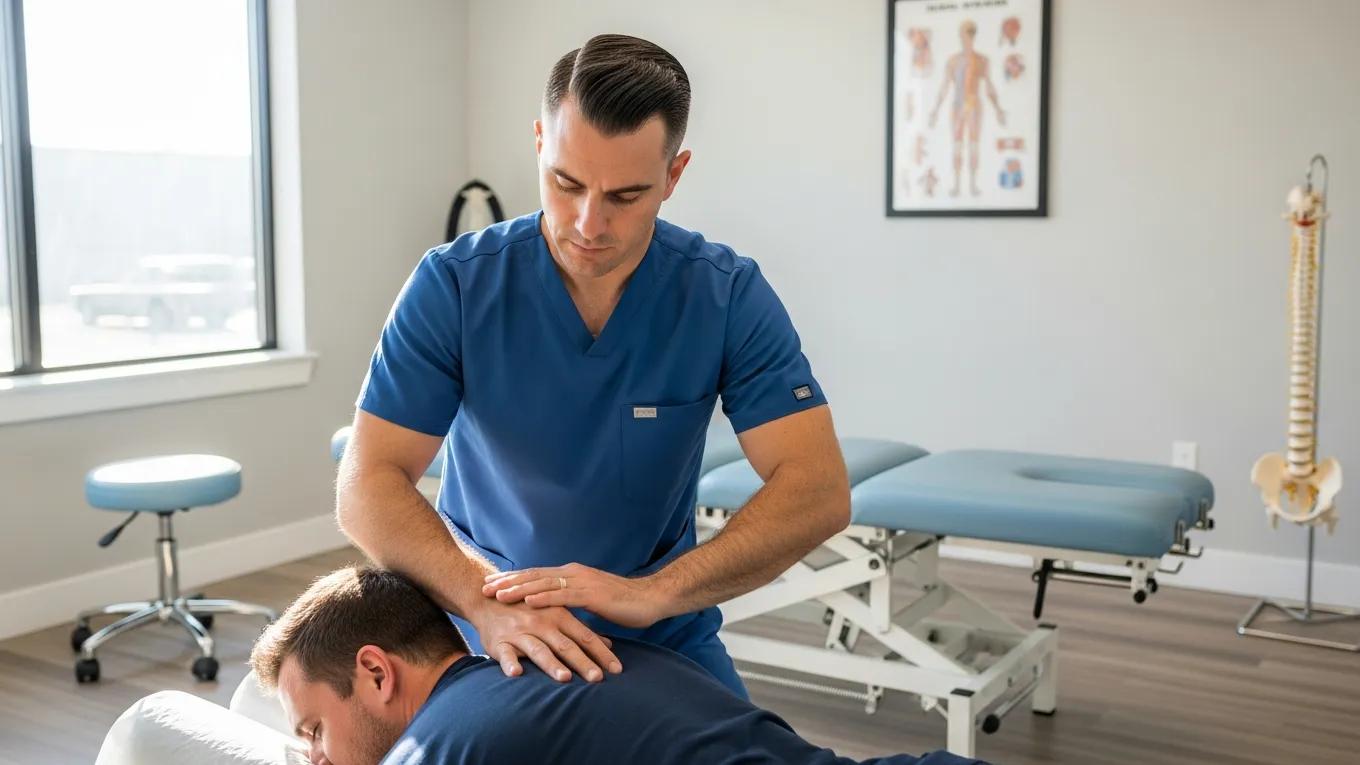
Chiropractic care aims to reduce nerve compression through targeted spinal adjustments. By improving alignment and circulation, it may support local healing and decrease pain. Patients commonly report less pain and improved mobility after a course of care. When used alongside other therapies, chiropractic treatment can address mechanical contributors to neuropathy.
Pain management addresses the sensory consequences of nerve damage. Common elements include medication management, physical therapy, and complementary modalities such as acupuncture. Targeting pain at its source supports improved function and quality of life. Many clinics, including Pivotal Health and Wellness, develop comprehensive plans tailored to individual goals.
Systematic reviews also support several non‑pharmacological methods for managing chronic neuropathic pain.
Non-Pharmacological Treatments for Peripheral Neuropathy Pain
The best available evidence (level II) supports several non‑drug interventions for painful diabetic peripheral neuropathy. Specifically, spinal cord stimulation used as an adjunct to conventional medical treatment can benefit patients with refractory pain. Adjuvant repetitive transcranial magnetic stimulation of the motor cortex is effective in reducing overall pain intensity, while adjuvant static magnetic field therapy can reduce exercise‑induced pain. Evidence is weaker (level III) for acupuncture and neurofeedback, used either alone or as add‑ons, in treating chemotherapy‑induced peripheral neuropathy.
Non-pharmacological management of painful peripheral neuropathies: a systematic review, M Rekatsina, 2020
Pivotal Health and Wellness personalizes neuropathy care through comprehensive assessments and bespoke treatment plans. The clinic uses diagnostic tools to define each patient's condition and selects targeted therapies to address specific symptoms. This tailored approach increases the likelihood of meaningful, lasting relief.
A comprehensive neuropathy plan typically includes the following core elements:
This coordinated strategy addresses immediate symptoms and supports long‑term nerve health.
Wellness coaching helps patients adopt sustainable habits and coping strategies. Coaches set realistic goals focused on nutrition, activity, and stress management. Over time, these changes can improve overall health and reduce neuropathy symptoms. Many patients report better self‑management when coaching complements clinical care.
Lifestyle measures and natural approaches can meaningfully support neuropathy care. Effective strategies include:
When combined with clinical therapies, these changes offer a holistic path to symptom reduction and improved function.
A multidisciplinary plan that includes lifestyle changes is essential for sustained symptom control.
Multidisciplinary Neuropathic Pain Management & Lifestyle Adjustments
Neuropathic pain is often difficult to treat; however, a multidisciplinary assessment and combined management approach can increase the number of patients who obtain symptom relief and improved quality of life. In older patients, combination drug therapy often produces adverse effects, so it is important to include non‑drug treatment options. Lifestyle and environmental modifications, encouragement to adopt an appropriate exercise programme, and emphasis on maintaining mobility and independence should be considered.
Management strategies for the treatment of neuropathic pain in the elderly, 2002
To support nerve health, clinicians commonly recommend the following dietary and activity measures:
Applying these recommendations consistently can improve nerve function and may reduce neuropathic symptoms.
Stress‑reduction practices support treatment by lowering muscle tension and promoting relaxation. Mindfulness meditation, deep‑breathing exercises, and yoga can reduce stress that may worsen neuropathic symptoms. Regular practice of these techniques can enhance overall treatment outcomes and daily functioning.
Patients should expect a comprehensive assessment at Lake Worth clinics. Initial visits usually include a detailed history, physical examination, and diagnostic testing as needed. Treatment plans commonly combine chiropractic care, pain management, and wellness coaching, with scheduled follow‑ups to monitor progress and adjust therapy.
Treatment duration varies by cause and severity. Some patients notice improvement within a few weeks, while more substantial gains often occur after several months of consistent care. The severity of neuropathy and adherence to the treatment plan influence the overall timeline.
Signs of successful neuropathy pain relief may include:
These signs help patients and clinicians evaluate treatment success and guide ongoing care.
Pivotal Health and Wellness is a leading choice in Lake Worth for neuropathy because it emphasises comprehensive, personalised care. The clinic focuses on non‑invasive therapies and patient satisfaction to support effective symptom management.
Success stories from patients describe meaningful symptom improvement and restored daily function. These accounts reflect the clinic's commitment to high‑quality, outcome‑driven care.
Pivotal Health and Wellness integrates current clinical research into its treatment protocols. The clinic reviews emerging evidence and updates practices so patients benefit from effective, evidence‑based therapies. This commitment supports improved treatment outcomes.
Targeted lifestyle changes can significantly reduce neuropathy symptoms. A balanced diet with vitamins B12 and D and omega‑3 fatty acids supports nerve health. Regular exercise, such as walking or swimming, improves circulation. Stress management through yoga or meditation helps reduce tension. Together, these habits complement medical treatments and improve quality of life.
Most neuropathy treatments are generally safe, but risks exist. Medications can cause side effects, and invasive procedures may have complications. Patients should discuss their medical history and concerns with their provider before starting treatment. A thorough assessment helps identify the safest, most appropriate options for each individual.
Monitoring progress is essential. Keep a symptom diary to record pain levels, mobility changes, and any side effects. Regular follow‑up appointments and clinic assessment tools or questionnaires help track outcomes and guide treatment adjustments over time.
If a flare‑up occurs, contact your healthcare provider for guidance. The treatment plan may need adjustment or short‑term additional therapies. Safe self‑care measures include applying heat or cold, practising relaxation techniques, and maintaining hydration. Recording potential triggers can help prevent future episodes.
Clinics ensure personalised care through detailed assessments that consider medical history, symptoms, and lifestyle. Diagnostic tests and patient feedback guide tailored treatment plans. Regular follow‑ups allow providers to refine therapy based on response, improving effectiveness and support during recovery.
Patient education empowers individuals to participate actively in their care. Understanding the condition, treatment options, and self‑management strategies improves adherence and outcomes. Educational resources and clear communication help patients make informed decisions and collaborate effectively with their healthcare team.
Knowing the treatment options in Lake Worth helps patients choose care that aims for lasting relief. From chiropractic care to regenerative approaches, each option can contribute to improved function and quality of life when delivered as part of a personalised plan. Selecting a tailored treatment strategy enables effective symptom management. Discover how Pivotal Health and Wellness can support your journey to recovery today.