By Darren Lastofsky, Pivotal Health
Many patients now prefer non‑invasive options to reduce the risks and recovery time associated with surgery or long‑term medication. This article reviews chiropractic and natural therapies available in Lake Worth, explaining how they work, their benefits, and how they are applied in clinical practice. Whether you have chronic joint pain or a focal issue, understanding these approaches helps you choose care that aligns with your goals. We highlight leading treatments, how chiropractic care supports mobility, and the services offered by Pivotal Health and Wellness, a local clinic that combines evidence‑based and whole‑person care. You will also find what to expect from personalised treatment plans.
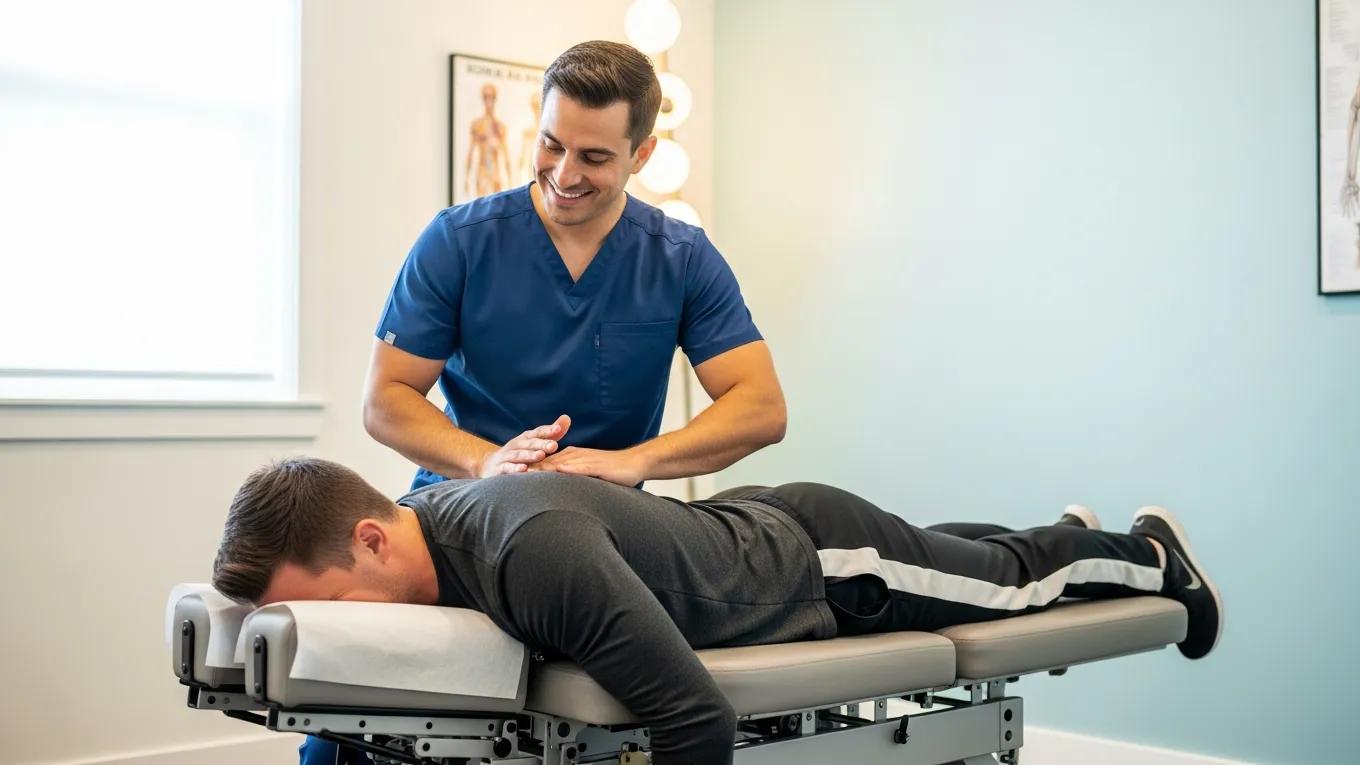
Chiropractic care uses established, non‑surgical methods to address musculoskeletal pain and dysfunction. Core interventions include spinal adjustments to correct alignment, targeted corrective exercises to rebuild support and function, and nutrition guidance to support tissue repair and recovery.
Spinal adjustments restore alignment to reduce nerve irritation and improve joint mechanics. This intervention can ease symptoms linked to disc problems and sciatica by lowering mechanical pressure on affected nerves.
Corrective exercises target weak or imbalanced muscles to restore strength and flexibility. By reinforcing proper movement patterns, these exercises speed recovery and reduce the risk of recurrence.
Natural therapies focus on supporting the body’s healing processes and often complement manual care. Treatments such as regenerative medicine, laser therapy, and shockwave therapy are selected based on the patient’s condition and treatment goals.
Regenerative medicine techniques aim to repair damaged tissue and reduce pain by stimulating biological healing processes. These methods can be helpful for joint injuries and degenerative conditions when conservative care alone is insufficient.
Laser therapy delivers targeted light energy to reduce inflammation and accelerate tissue repair. Clinically, it is used for chronic inflammatory conditions and to support recovery after procedures.
Shockwave therapy applies acoustic pulses to stimulate repair in tendons, ligaments, and muscles. It is commonly used for tendonitis, plantar fasciitis, and similar soft‑tissue conditions.
Non‑invasive options often shorten recovery time, lower complication risk, and take a problem‑solving approach that targets underlying causes rather than only masking symptoms. They are suitable for many patients seeking effective, lower‑risk alternatives to surgery.
Musculoskeletal disorders can reduce function and quality of life; appropriately applied non‑invasive therapies have demonstrated value in managing these conditions and improving daily function.
Effectiveness of Non-Invasive Therapies for Musculoskeletal Pain
Musculoskeletal disorders can impair work and daily activities and contribute to reduced quality of life. While pharmacological and surgical interventions remain common, non‑invasive physical therapies are used as alternatives; however, the extent of supporting evidence varies. Non-invasive Complementary Therapies in Managing Musculoskeletal Pains and in Preventing Surgery, 2020
Lake Worth clinics offer a range of non‑surgical treatments tailored to individual needs. Regenerative medicine, spinal decompression, and comprehensive chiropractic care are among the commonly recommended options for joint and spine conditions.
Effectively managing chronic conditions such as knee osteoarthritis is important for patient function and overall public health; successful non‑surgical strategies can reduce disability and improve daily living.
Non-Invasive Biomechanical Device for Knee Osteoarthritis Pain Relief
Osteoarthritis is a leading cause of pain and disability worldwide, so effective treatment approaches are essential. This study evaluated changes in gait measures and clinical outcomes after treatment with a non‑invasive, foot‑worn biomechanical device in patients with knee osteoarthritis. The effect of treatment with a non-invasive foot worn biomechanical device on subjective and objective measures in patients with knee osteoarthritis-a retrospective …, 2020
Chiropractic care reduces joint pain by restoring joint alignment, easing nerve irritation, and improving joint mechanics. Combined with therapeutic exercises, this approach supports increased range of motion and functional recovery.
Adjustments correct misalignments that contribute to nerve compression, addressing the mechanical source of symptoms rather than only treating pain. Many patients report measurable improvements in function after a targeted course of care.
Joint manipulation improves mobility and joint resilience by restoring normal motion and supporting surrounding muscle function. Over time, this can reduce symptom recurrence and enhance day‑to‑day activity tolerance.
Neuropathy care for joint‑related pain combines targeted therapies to reduce nerve symptoms and improve function. Treatment plans are customised—particularly for patients with diabetes—and may include lifestyle guidance and regenerative options. For more information, review the comprehensive neuropathy treatments available.

Pivotal Health and Wellness provides a coordinated set of natural and manual therapies that address pain while supporting overall health. The clinic integrates regenerative techniques, chiropractic care, and lifestyle counselling to treat the person as a whole.
Integrated care combines complementary modalities to address multiple drivers of pain without relying on long‑term medication. Practitioners create personalised plans that target structural issues, inflammation, and functional deficits to improve symptoms and restore function.
Holistic strategies pair therapeutic interventions with lifestyle changes—exercise, nutrition, and stress management—to improve joint function and overall well‑being. These measures support sustained gains in mobility and daily activity.
Daily routines tailored to a patient’s condition—such as stretching, strengthening, and mobility work—help maintain joint function and reduce pain over the long term.
A diet that emphasises anti‑inflammatory foods and healthy weight management can reduce joint stress and symptom severity. Small, sustainable changes often yield meaningful benefits.
Care that centres on the patient’s goals and limitations improves adherence and outcomes. When patients are active partners in planning and decisions, treatment is more effective and relevant to daily life.
Patients seeking effective pain management in Lake Worth can contact local clinics directly. Pivotal Health and Wellness is located at 2290 10th Avenue North, Suite 102, Lake Worth, FL 33461 and offers a full range of services. To schedule an appointment or ask questions, call 561-375-5780.
The appointment process at Pivotal Health begins with a thorough consultation and assessment to identify the causes of your pain and establish clear treatment goals. This evaluation informs a personalised care plan tailored to your needs.
Selecting a local provider with specialised experience ensures care that understands community needs and delivers current, evidence‑based therapies. Local teams can offer continuity of care and timely follow‑up tailored to each patient.
When choosing non‑invasive treatments, consider the range of available options, the provider’s credentials, the treatment’s suitability for your condition, and real patient outcomes or testimonials.
Chiropractic care can deliver rapid relief for many musculoskeletal complaints by addressing alignment and function. Neuropathy treatments can reduce nerve‑related symptoms but may require combined approaches for full benefit. Reviewing neuropathy management options can clarify realistic expectations and likely outcomes; see neuropathy management strategies for details.
Recent clinical research provides supporting evidence for many non‑surgical therapies, reporting improved functional outcomes and shorter recovery times in selected patient groups. These studies guide clinical decision‑making and patient selection.
Pivotal Health and Wellness uses structured assessments to develop customised treatment plans. Evaluations determine the most appropriate combination of therapies for each patient’s condition and goals.
Personalised wellness plans start with a functional assessment and set measurable goals. Typical plans combine exercise prescription, dietary guidance, and scheduled reviews to monitor progress and adjust care.
Multidisciplinary care brings together chiropractors, physical therapists, nutrition specialists, and other clinicians to address pain from multiple angles. Coordination improves treatment coherence and patient outcomes.
| Therapy Type | Approach | Benefits |
|---|---|---|
| Chiropractic Care | Alignment and manipulation | Reduces pain, enhances mobility |
| Regenerative Medicine | Tissue repair and healing | Promotes long-term relief and function |
| Nutritional Counseling | Diet and lifestyle modifications | Supports overall joint health |
This coordinated approach improves clinical outcomes and creates a support system for ongoing health maintenance.
Non‑invasive treatments typically reduce recovery time and lower complication risk compared with surgery. They target underlying contributors to pain and can improve mobility and quality of life without the extended rehabilitation that often follows surgical procedures.
Response times vary by condition and treatment. Some patients notice symptom reduction after a few sessions, while others require several weeks of therapy and adherence to prescribed exercises or lifestyle changes for measurable improvement.
Most non‑invasive therapies are well tolerated. Patients may experience short‑term soreness, mild discomfort at the treatment site, or temporary fatigue. These effects are usually transient; report any concerns to your provider so care can be adjusted.
Yes. Combining non‑invasive therapies with physical therapy, targeted medications, or lifestyle interventions often improves outcomes. Coordinated care ensures therapies complement one another and align with the patient’s goals.
Good candidates are patients with chronic or acute musculoskeletal pain without structural damage that mandates surgery, or those seeking alternatives to long‑term medication. A clinical assessment determines suitability and the most appropriate treatment plan.
Lifestyle factors—nutrition, exercise, weight management, and stress—significantly affect treatment success. Addressing these elements alongside clinical care enhances recovery, reduces recurrence, and supports long‑term joint health.
Patient education equips individuals with the knowledge to manage their condition, follow prescribed plans, and make informed decisions. Education improves adherence, empowers self‑care, and supports sustained improvements in pain and function.
Non‑invasive joint care can improve mobility and reduce treatment risks compared with surgery. A range of evidence‑based options—from chiropractic care to regenerative and physical therapies—focus on treating root causes to deliver lasting benefit. For personalised recommendations, contact the clinical team at Pivotal Health and Wellness to discuss options that match your needs and goals.