By Darren Lastofsky, Pivotal Health
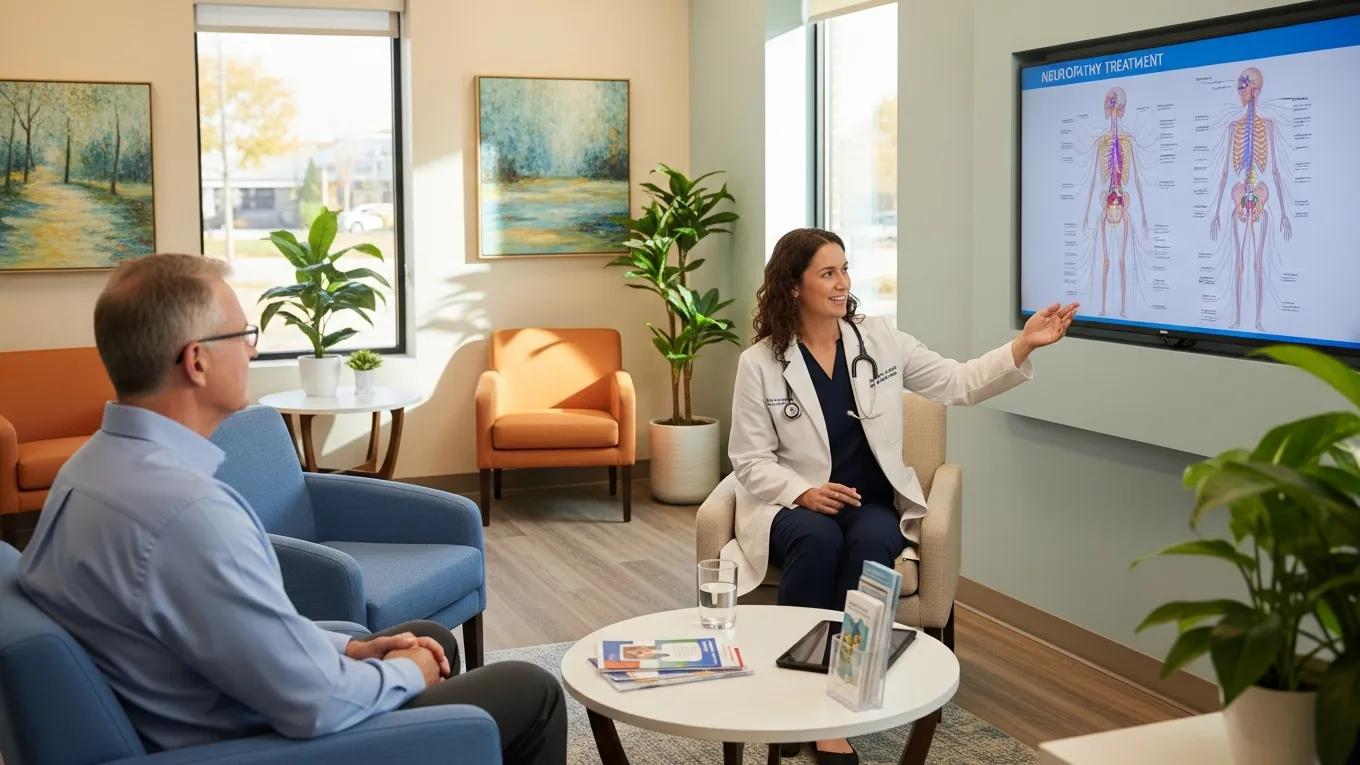
Seeking clinic care for neuropathy is an important step toward managing symptoms and improving quality of life. At Pivotal Health and Wellness, we recognize that a first visit often raises questions. This guide explains what to expect during your initial consultation, including diagnostic steps, treatment options, and the patient experience. By the end, you will understand how our Lake Worth clinic approaches neuropathy treatment and what to expect during your visit.
On your first visit our team will prioritize diagnosing your neuropathy symptoms, introduce chiropractic care options, review pain management approaches, and outline wellness services that support your treatment. We provide a comprehensive plan that addresses both symptoms and potential underlying causes.
Accurate diagnosis is the first step to an effective treatment. At Pivotal Health and Wellness, we combine clinical assessments with targeted tests to define the nature of your neuropathy. This tailored process considers your symptoms and medical history to guide care.
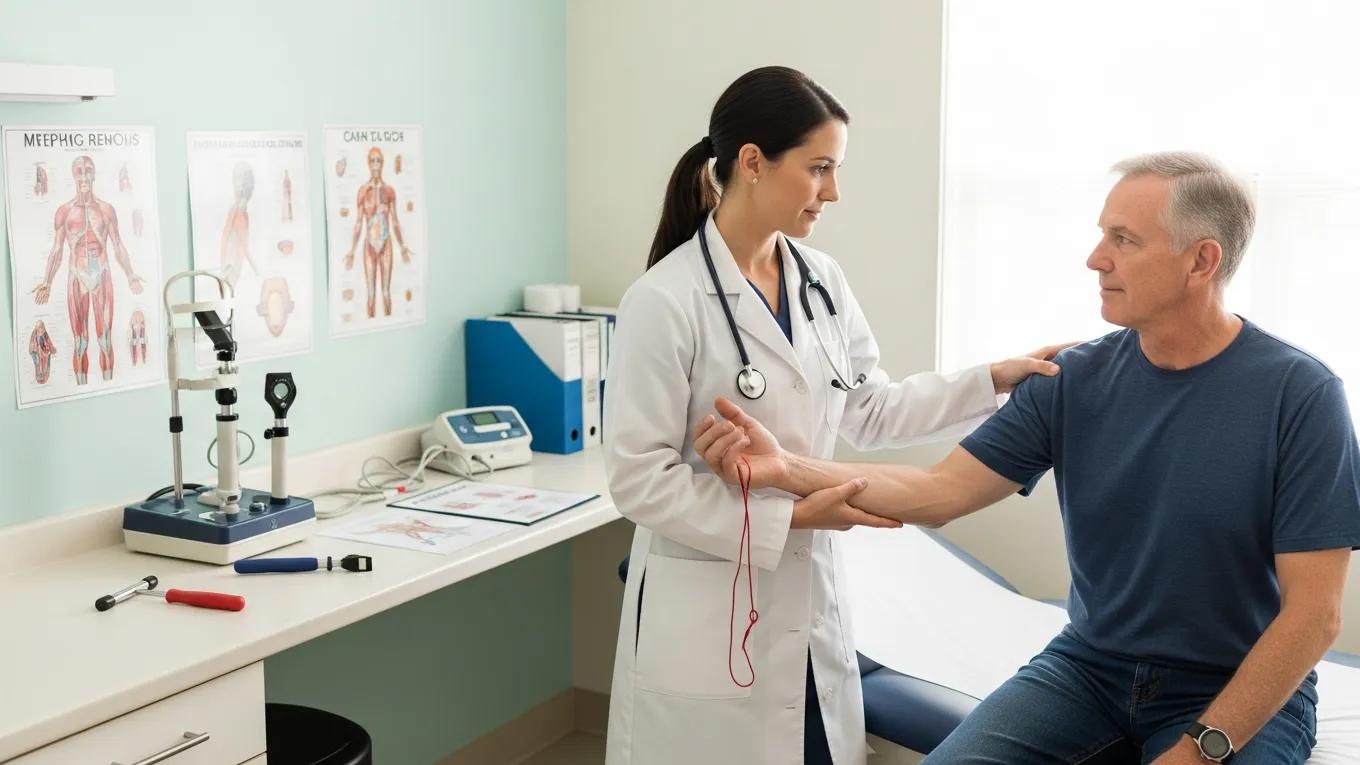
At the initial visit we perform several tests to evaluate your condition. These may include:
These assessments help determine the specific type of neuropathy you have and inform a focused treatment plan.
Clinical guidance supports a comprehensive diagnostic approach — clinical history, examination, nerve conduction studies, and laboratory tests — to identify treatable causes of peripheral neuropathy.
Peripheral Neuropathy Diagnosis: Clinical History, Nerve Conduction, Lab Tests
Peripheral neuropathy covers a range of disorders with varied causes. Common causes include diabetes, toxic exposures (for example alcohol and some chemotherapy agents), immune-mediated conditions, and genetic mutations. A thorough workup — clinical history, examination, nerve conduction studies and laboratory testing — is required to find treatable causes.
Diagnosis of peripheral neuropathy, HC Lehmann, 2020
We personalize diagnostics by reviewing your symptoms and medical history in detail. This helps us select the most appropriate tests and treatments. Tailored care improves diagnostic accuracy and can make your treatment more effective.
Chiropractic care contributes to managing neuropathy symptoms. Our chiropractic team uses targeted techniques aimed at reducing pain and supporting nerve function.
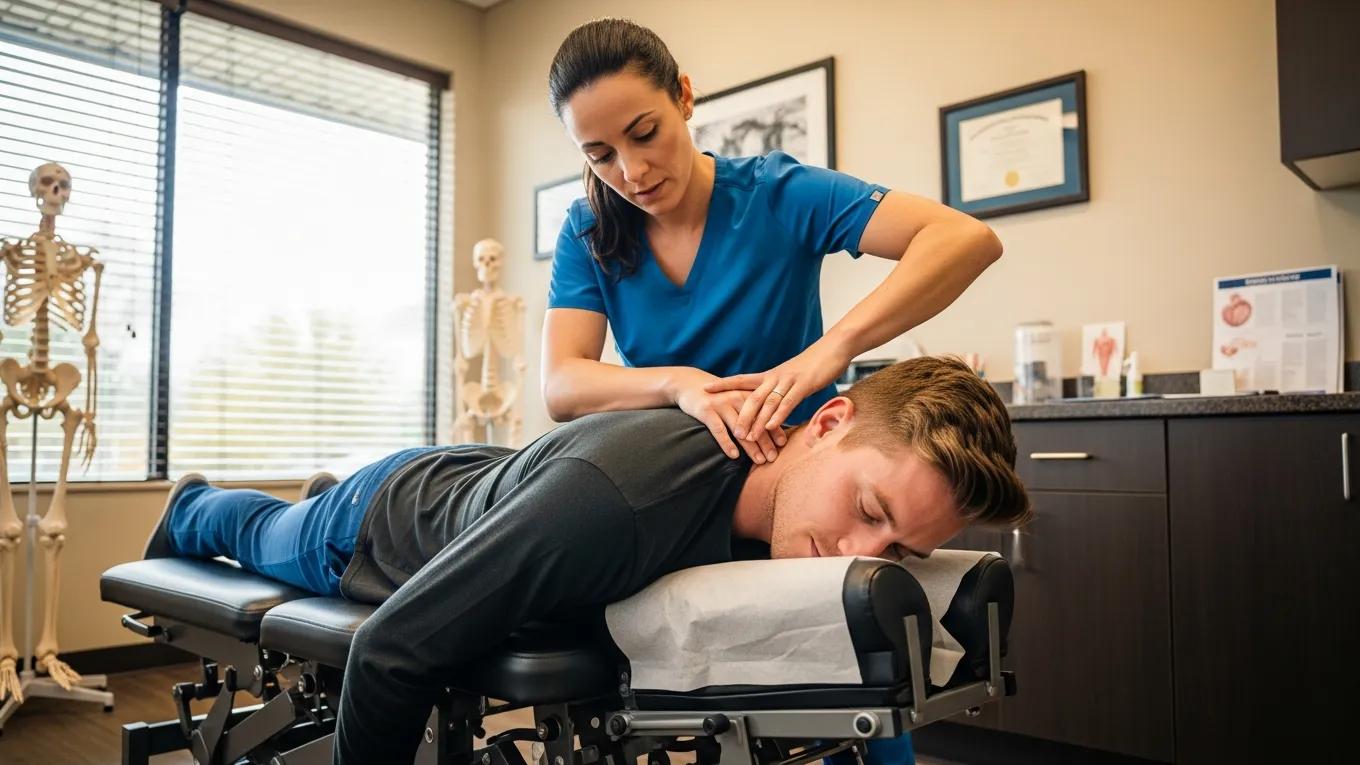
Adjustments can relieve pressure on nerves and improve spinal alignment, which supports nerve function. Spinal manipulation and mobilization may improve blood flow and reduce local inflammation. These techniques can reduce pain and improve mobility for patients with neuropathy.
Expect a full evaluation followed by a personalized treatment plan. Your chiropractor will explain each technique and what sensations to expect. Most patients report relief after adjustments, and we encourage you to communicate any concerns during care.
Pain management is a key part of neuropathy care. At your initial consultation we will review non‑invasive therapies intended to support recovery and comfort.
Non‑invasive therapies — for example, laser therapy and spinal decompression — can reduce inflammation and promote healing without surgery. We offer these treatments to improve comfort and daily function.
Research has shown low‑level laser therapy can reduce symptoms of diabetic peripheral neuropathy.
Low-Level Laser Therapy for Diabetic Neuropathy Symptoms
Diabetic peripheral neuropathy (DPN) is a common long‑term complication of diabetes. Typical symptoms include numbness, pain, and paresthesia (for example, burning or crawling sensations), which impair quality of life. Clinical studies report that low‑level laser therapy (LLLT) can relieve symptoms and improve nerve function in DPN.
Effectiveness and safety of low-level laser therapy in diabetic peripheral neuropathy: a protocol for a systematic review and meta-analysis, 2021
Early pain management often leads to meaningful symptom reduction. Patients commonly report less pain, improved function, and better quality of life. Addressing pain early helps establish a foundation for longer‑term neuropathy care.
Additional research outlines pharmacological options that may be considered for neuropathic pain management.
Peripheral Neuropathy: Diagnosis & Neuropathic Pain Treatment
Sensorimotor peripheral neuropathies, the most common type, often involve length‑dependent axonal degeneration. Guidance for treating neuropathic pain includes tricyclic antidepressants, serotonin‑norepinephrine reuptake inhibitors, gabapentin and pregabalin.
Peripheral neuropathy: a practical approach to diagnosis and symptom management, 2015
Wellness services complement neuropathy treatment by supporting overall health and enhancing treatment effectiveness.
To support nerve health we offer personalized lifestyle recommendations, which may include:
We tailor these recommendations to your needs to support a holistic approach to recovery and long‑term nerve health.
Knowing what to expect can reduce anxiety about your first visit. At Pivotal Health and Wellness we prioritize a comfortable and supportive environment for every patient.
From arrival our staff will welcome you and help you feel at ease. We explain each step, answer your questions, and maintain a supportive atmosphere throughout your visit.
Scheduling is simple — call our clinic to arrange a convenient time. To prepare, bring relevant medical records and a current list of medications. This information helps us deliver care tailored to your needs.
Many patients have questions before their first neuropathy visit. We address these concerns so you can arrive prepared and confident.
Most patients say neuropathy treatment is not painful. Our team works to ensure your comfort during procedures and will discuss any concerns before starting.
Treatment length varies with individual needs. Expect the first visit to last about 60-90 minutes to allow time for assessment and planning.
You can compare pain management techniques to understand their expected benefits.
| Technique | Description | Expected Outcome |
|---|---|---|
| Laser Therapy | Uses focused light to reduce inflammation | Pain relief and improved healing |
| Spinal Decompression | Relieves pressure on spinal nerves | Enhanced mobility and reduced pain |
| Chiropractic Adjustments | Aligns the spine to improve nerve function | Relief and improved function |
The table shows how different pain management techniques can support your neuropathy plan and aid recovery.
Bring relevant medical records, previous diagnoses, and treatment history. Also bring a list of current medications with dosages and frequency. Writing down questions beforehand can help ensure you discuss all concerns during your visit.
Visit frequency depends on your condition and treatment plan. Early on many patients come once or twice a week so we can monitor progress and adjust care. As symptoms improve visits often become less frequent. We'll work with you to create a schedule that supports recovery.
Most neuropathy treatments are safe, but some patients may have mild side effects. Chiropractic adjustments can cause temporary soreness. Non‑invasive therapies like laser treatment are generally well tolerated, though some people may have slight skin irritation. Discuss any concerns with your provider so we can adjust your plan.
Yes. A balanced diet with vitamins and antioxidants, regular physical activity, and stress management such as yoga or meditation can support nerve health and complement treatment. Our team provides personalized recommendations to fit your needs.
After the first session some patients feel immediate relief, while others see gradual improvement. Mild soreness after chiropractic adjustments is common and usually brief. We'll follow up to assess your response and adjust your care plan as needed.
Track changes in pain, mobility, and daily function to gauge treatment effectiveness. Regular follow‑ups let our team assess progress and adjust care. Open communication about your experience ensures you receive the most effective treatment.
Knowing what to expect reduces anxiety and helps ensure a smooth first visit. Our approach combines personalized diagnostics, chiropractic care, and non‑invasive pain management to improve quality of life. By starting treatment you invest in your health and well‑being. Schedule an appointment to begin your path to relief and recovery.