By Darren Lastofsky, Pivotal Health
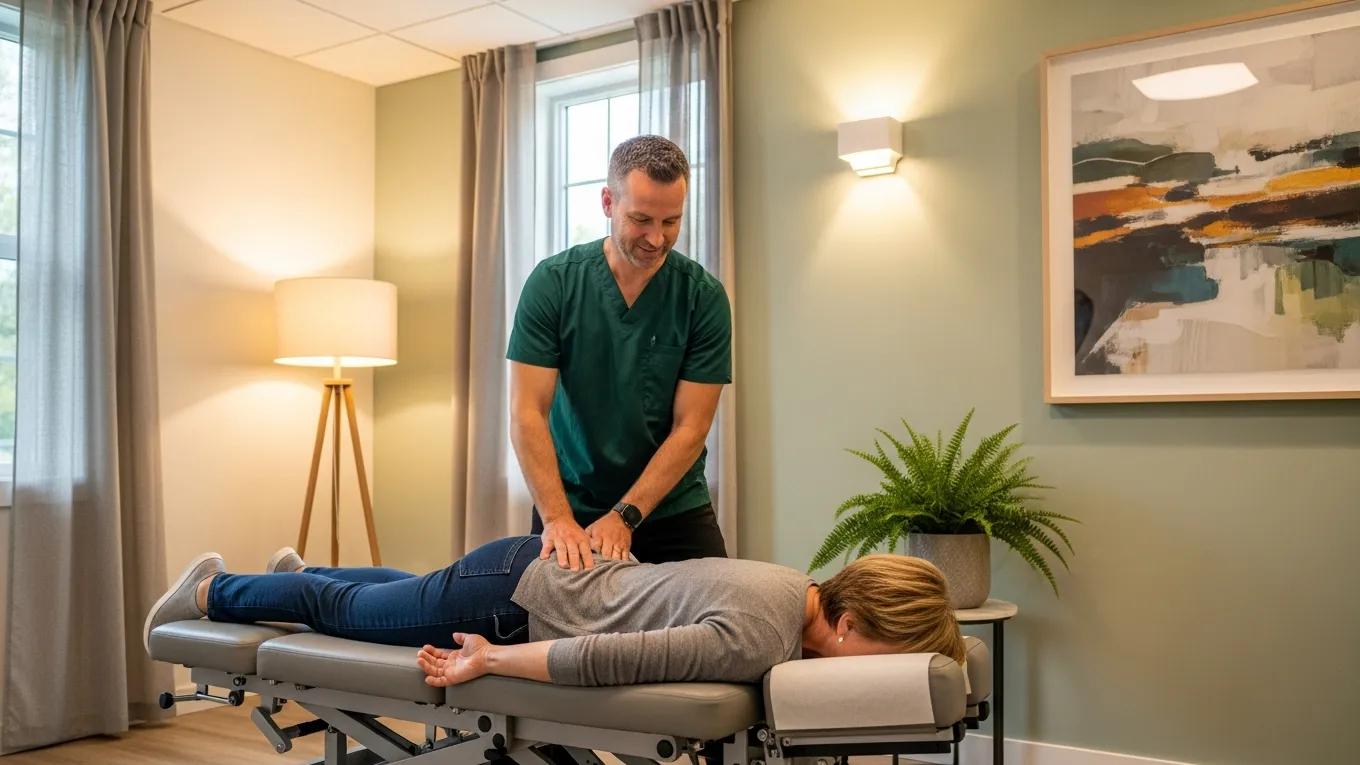
Chiropractic care is a non-invasive option for many people living with neuropathy in Lake Worth. This article explains chiropractic techniques that can reduce neuropathic pain, improve mobility, and support daily function. It reviews common symptoms and causes of neuropathy, outlines pain-management strategies, and describes specific chiropractic therapies available locally. Many patients report symptoms such as numbness, tingling, and chronic pain that interfere with routine activities. Chiropractic care takes a holistic approach aimed at restoring nerve function and reducing pain through targeted therapies. The article also describes how Pivotal Health and Wellness provides specialised care in Lake Worth for neuropathy care .
Further emphasizing the role of chiropractic care in managing nerve pain, consider this perspective on peripheral neuropathy:
Chiropractic for Peripheral Neuropathy: Reducing Nerve Pain
Peripheral neuropathy affects the peripheral nervous system, the network of nerves that links the brain and spinal cord to the rest of the body. It commonly causes tingling, numbness, and pain in the hands and feet; an estimated 20 million Americans experience these symptoms. Clinical rationale for chiropractic care includes addressing musculoskeletal factors that can influence nerve function. The piece also highlights clinical practice by Dr. Alexander Jimenez in El Paso, Texas, including his work with personal injury patients and his use of diagnostic and treatment strategies to improve patient outcomes. Chiropractic Care Techniques for Peripheral Neuropathy
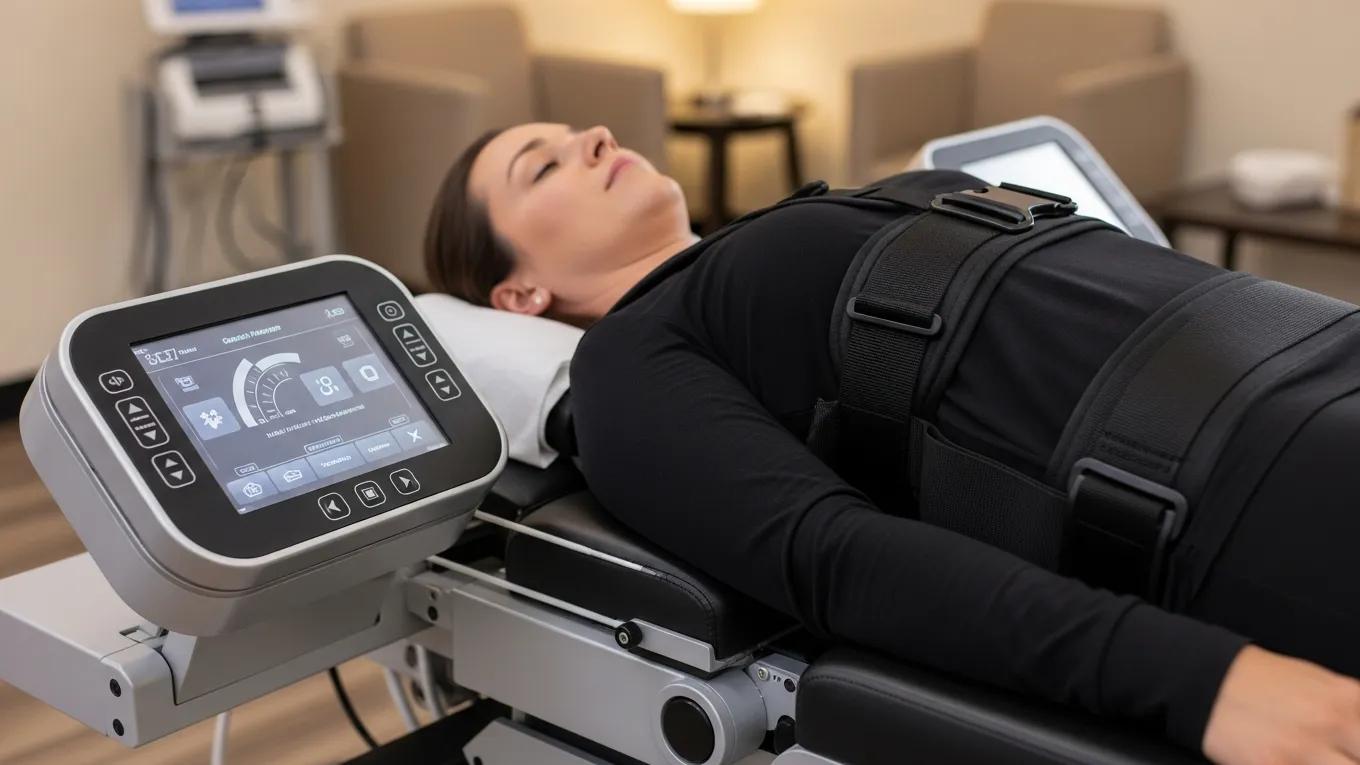
Chiropractic practices commonly use several non-invasive treatments for neuropathy that may improve symptoms and function. These options are selected based on individual assessment and diagnostic findings.
These treatments aim to address underlying contributors to neuropathy and form part of a comprehensive strategy for pain relief and functional recovery.
Supporting the efficacy of non-pharmacological approaches, a systematic review highlights various interventions for peripheral neuropathic pain:
Non-Pharmacological Treatments for Peripheral Neuropathic Pain
Peripheral neuropathic pain (PNP) is the pain that arises in the acute or chronic phase of a lesion or disease affecting the peripheral nervous system. PNP imposes a substantial disease burden and there is ongoing demand for effective therapies, used alone or alongside existing treatments. This systematic review evaluated randomized controlled trials that assess non-pharmacological interventions for PNP to summarise the current evidence.
Non-pharmacological management of painful peripheral neuropathies: a systematic review, M Rekatsina, 2020
Neuropathy can present with a range of symptoms that differ in severity and duration. Recognising these signs early supports timely intervention.
Early recognition of these symptoms supports assessment and implementation of effective treatment plans.
Identifying the causes of neuropathy is central to effective management. Common causes include metabolic conditions, toxic exposures, treatment-related effects, and nutritional deficits.
Determining the underlying cause allows clinicians to design a targeted and effective treatment plan.
Specifically addressing a common cause, chiropractic care offers a non-invasive solution for diabetic neuropathy:
Chiropractic Care for Diabetic Neuropathy: Non-Invasive Pain Relief
Chiropractic care, when provided by experienced clinicians such as Dr. Alexander Jimenez, DC, APRN, FNP-BC, can be a non-invasive option to help manage neuropathic pain in diabetic patients. The referenced comprehensive blog post reviews diabetic neuropathy types, causes, and how chiropractic and other non-surgical treatments can be combined to manage nerve pain. It also outlines Dr. Jimenez’s clinical experience with personal injury cases, his use of advanced diagnostics, and his role as a medical-legal liaison. The post is extensive and detailed (over 5,000 words) and is intended to inform clinicians and patients about conservative management approaches. Chiropractic Care for Diabetic Neuropathy Relief
Effective pain management for neuropathy relies on personalised plans that combine therapeutic interventions with lifestyle measures.
Combining these strategies can improve clinical outcomes and help patients regain function and quality of life.
Neuropathy commonly causes numbness, tingling, and burning pain in the hands and feet and may reduce strength and coordination. Frequent causes include diabetes, alcohol misuse, certain chemotherapy agents, and vitamin deficiencies. Understanding symptoms and causes guides appropriate treatment.
Damage to different nerve types produces distinct symptoms: sensory nerve injury causes altered sensation such as numbness and tingling; motor nerve injury causes weakness and coordination problems; autonomic nerve injury affects involuntary functions including heart rate and digestion. Effective management addresses the specific nerve types involved.
In Lake Worth, factors such as local rates of diabetes, patterns of alcohol use, and demographic or environmental influences may affect neuropathy prevalence. Recognising these local trends helps clinicians develop targeted prevention and treatment strategies.
Chiropractic care seeks to restore nerve function and reduce pain using techniques such as spinal decompression to relieve nerve pressure, regenerative therapies to support tissue repair, and manual adjustments to optimise spinal alignment. The approach aims to treat symptoms and contributing musculoskeletal factors.
Chiropractors use a range of techniques tailored to each patient, selecting interventions based on clinical assessment and diagnostic findings to address pain and functional limitations.
When combined appropriately, these techniques can provide comprehensive and complementary care for patients with neuropathy.
Chiropractic care offers benefits for many patients with neuropathy, including a non-invasive approach, potential pain reduction, and a focus on whole-person care that considers physical, emotional, and lifestyle contributors.
Safety practices include a thorough evaluation before treatment to identify any contraindications and to select appropriate therapies for each patient.
Complementary strategies can increase the effectiveness of chiropractic care. These may include targeted non-invasive modalities and structured rehabilitation measures chosen to match the patient’s condition.
Used together, these complementary strategies provide a coordinated approach to managing neuropathy symptoms and improving function.
Integrating non-invasive therapies involves a coordinated care plan. Clinicians combine modalities such as spinal decompression, shockwave therapy, and laser therapy based on assessment findings to enhance outcomes and support long-term symptom control.
Wellness programs support neuropathy management by promoting lifestyle changes that protect nerve health and improve overall resilience. Programs complement clinical treatments and focus on sustainable patient behaviours.
Addressing lifestyle factors through structured wellness programs can enhance the effectiveness of clinical care and support long-term improvement.

Patient testimonials and success stories illustrate real-world outcomes following chiropractic care for neuropathy. Many patients report reduced pain, better mobility, and improved daily function after receiving targeted chiropractic treatments at specialised clinics such as chiropractic treatments .
Local patients often describe measurable improvements in pain control, mobility, and satisfaction with their personalised treatment plans. These reported outcomes reflect the community impact of evidence-informed chiropractic approaches to neuropathy.
Patients commonly ask about the nature of neuropathy, available treatment options, and what to expect from care. Clear answers support informed decisions and better engagement in treatment.
Providing clear information about these topics is essential for patient education and shared decision-making.
Patients seeking specialised neuropathy chiropractic care in Lake Worth can access comprehensive services at Pivotal Health and Wellness. The clinic is located at 2290 10th Avenue North, Suite 102, Lake Worth, FL 33461. For more information or to schedule a consultation, call (561) 375-5780.
Pivotal Health and Wellness is recognised for offering a comprehensive service mix and an experienced clinical team. The practice uses an integrated approach that combines multiple chiropractic techniques to meet each patient’s specific needs, and positive patient feedback reflects its focus on improving outcomes.
Scheduling a consultation is straightforward. Call Pivotal Health and Wellness at (561) 375-5780 to discuss symptoms and available treatment options. Clinic staff will assist with appointment scheduling and initial guidance.
Lifestyle changes can meaningfully support neuropathy management. A balanced diet rich in B vitamins supports nerve health, regular exercise improves circulation and function, avoiding alcohol reduces toxic risk, and blood sugar control is essential for diabetic patients. Stress-reduction techniques such as mindfulness or yoga may also lessen symptom severity. Consult healthcare professionals for personalised recommendations.
Treatment duration varies with symptom severity and individual response. Many patients attend sessions once or twice weekly for several weeks to achieve noticeable improvement. Initial assessments determine an appropriate plan; some patients feel relief after a few visits while others require longer-term care with regular reassessment.
Chiropractic care is generally safe; some patients may experience mild, short-lived soreness or discomfort after adjustments. Open communication about medical history and symptoms helps clinicians select appropriate therapies and minimise risk. A thorough pre-treatment evaluation is standard practice.
Yes. A multidisciplinary approach often provides the best results. Chiropractic care can complement physical therapy, medications, and lifestyle interventions. Non-invasive modalities such as laser or shockwave therapy may be integrated with adjustments to enhance pain relief and recovery. Coordination with other healthcare providers ensures a comprehensive plan.
Expect a detailed assessment at your first visit. The chiropractor will review your medical history, discuss symptoms, and perform a physical examination that may include tests of nerve function and mobility. Based on findings, they will propose a personalised treatment plan and recommend supportive therapies or lifestyle measures.
To find an appropriate chiropractor, research local clinics specialising in neuropathy care, review practitioner experience and patient feedback, and schedule a consultation to evaluate their approach. Ask about techniques used and outcomes with similar cases to ensure alignment with your needs.
Chiropractic care can benefit many types of neuropathy, particularly those with musculoskeletal contributions such as diabetic neuropathy or cases related to spinal alignment. It may not be appropriate for neuropathy caused by severe structural damage or specific medical conditions. A comprehensive evaluation by a healthcare professional is necessary to determine suitability and to plan combined care when needed.
Chiropractic care provides a non-invasive, holistic option for managing neuropathy and can improve pain, mobility, and quality of life for many patients. Techniques such as spinal decompression and laser therapy are part of evidence-informed approaches tailored to individual needs. Understanding symptoms and causes supports effective treatment; contact Pivotal Health and Wellness today to discuss personalised options for your care.