
By Darren Lastofsky, Pivotal Health
Regenerative medicine — including stem cell and platelet-rich plasma (PRP) therapies — is an increasingly used option for patients with joint pain. These treatments can provide meaningful symptom relief, but they also carry potential side effects. This article outlines the typical and rare reactions associated with stem cell and PRP therapies, reviews their effectiveness locally in Lake Worth, explains how chiropractic care may support recovery, and describes preparation and recovery considerations to help patients set realistic expectations.
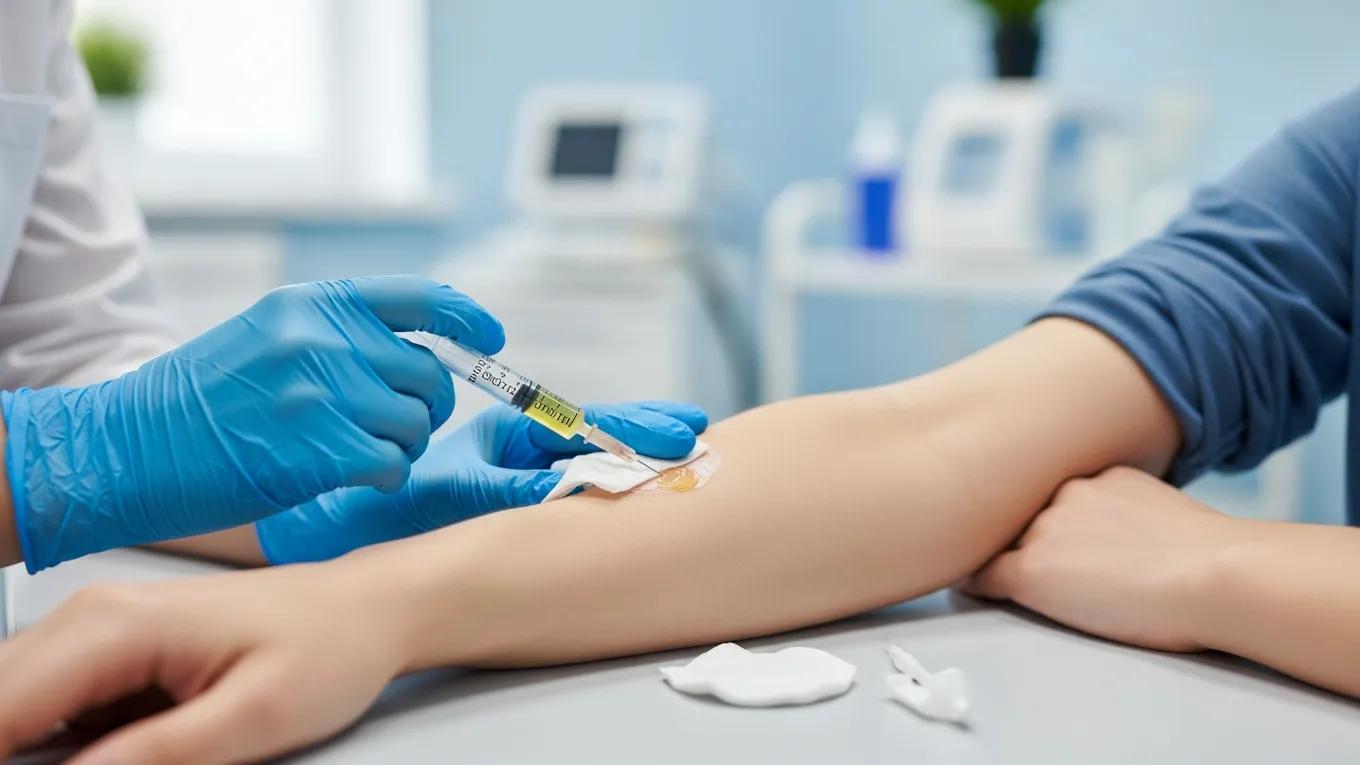
Side effects vary by treatment type but are generally predictable. Both stem cell and PRP therapies have known, treatment-specific reactions. Recognising and monitoring these responses allows clinicians to manage symptoms promptly and improves the overall safety and effectiveness of care.
| Treatment Type | Common Side Effects | Risk Level |
|---|---|---|
| Stem Cell Therapy | Swelling, pain at injection site, fatigue | Moderate |
| Platelet-Rich Plasma (PRP) Therapy | Localized pain, swelling, bruising | Low to Moderate |
Patients undergoing stem cell injections commonly report localized swelling, injection-site pain and temporary fatigue. These effects are usually mild and resolve within days to weeks. The injection can be uncomfortable, but most patients experience symptom improvement that outweighs short-term discomfort. Severe adverse reactions are uncommon, and thorough pre-treatment assessment helps reduce risk.
PRP injections may cause short-term localized pain, bruising or swelling at the treatment site. Such reactions are generally mild and can be managed with ice and over-the-counter analgesics when appropriate. Many patients report meaningful long-term improvements in joint function despite these temporary effects. Clinicians typically provide clear pre-treatment instructions to help patients manage expectations and symptoms.
Although most patients tolerate regenerative therapies well, rare but serious complications can occur. Informed consent and detailed discussions with your healthcare provider are essential. Both patient-specific factors and treatment protocols influence the overall risk profile.
Individual factors such as age, medical history and coexisting conditions affect treatment risk. Older adults or those with weakened immune systems may have different risk considerations than healthier patients. Personalised assessments help identify higher-risk individuals so clinicians can tailor treatment plans. This approach is also relevant to neuropathy care.
Risk is lowered by selecting qualified providers, following regulatory and safety guidelines, and using imaging to guide precise injections. Comprehensive pre-treatment evaluations, including a detailed health history, help clinicians identify contraindications and plan safer, more effective treatments.
In Lake Worth, regenerative options commonly include stem cell therapy and PRP therapy. Each modality works through different biological mechanisms to support tissue repair and reduce pain.
Pivotal Health and Wellness is a multidisciplinary clinic in Lake Worth that offers both therapies. Their care pathways are personalised to address each patient’s clinical needs and treatment goals.
Chiropractic care can complement regenerative therapies by addressing joint alignment and movement patterns that affect recovery. When coordinated with regenerative treatment, manual therapy may support functional improvement and recovery.

Combining chiropractic adjustments with regenerative treatments can support recovery and pain management. Clinical observations indicate that integrated care often yields better functional outcomes and fewer complications, offering a more comprehensive path to healing that addresses both symptoms and underlying biomechanical contributors.
Appropriate pain management after injections is important for a smooth recovery. Strategies such as physical therapy, supervised rehabilitation and judicious use of analgesics can reduce discomfort and enable patients to participate in recovery activities that promote healing.
Preparation and recovery require planning and clear communication. Patients should understand the treatment steps, expected short-term effects and recommended activity modifications to set realistic expectations for their recovery timeline.
Recovery typically ranges from a few days to a couple of weeks for initial symptoms to settle. Patients often experience early discomfort but are generally advised to resume gentle activity as tolerated. Over time, many patients report gradual improvements in joint function and reduced pain.
Adopting supportive lifestyle practices after regenerative therapy can aid healing. Typical recommendations include:
Following these guidelines can enhance the effectiveness of regenerative treatments and support steady progress during recovery.
When performed by qualified providers, regenerative therapies have a generally favourable safety profile. Ongoing refinement of techniques and protocols contributes to both their efficacy and safety in clinical practice.
Recent clinical literature reports a low incidence of significant side effects, with most patients experiencing only mild, transient reactions. Continued research and monitoring of long-term outcomes remain important for refining best practices.
Customising treatment to an individual’s health status is essential to reduce risk and improve outcomes. A tailored plan accounts for biological differences and comorbidities, helping clinicians achieve safer, more effective care and a better patient experience.
Before treatment, schedule a comprehensive consultation to review your medical history, current medications and any conditions that could affect care. Ask for a clear explanation of the chosen therapy, how it works and its potential side effects. Confirm the qualifications of the medical team and the clinic’s adherence to safety protocols and regulatory standards.
Insurance coverage for treatments such as stem cell and PRP therapy varies by provider and policy. Many plans classify these therapies as experimental and may not cover them. Contact your insurer to confirm coverage and pre-authorization requirements, and discuss anticipated out-of-pocket costs with your provider.
Improvement in joint function and pain relief is commonly reported from several weeks to a few months after treatment. The timeline depends on treatment type, condition severity and adherence to post-treatment guidance. Regular follow-up appointments help monitor progress and adjust the plan if needed.
Alternative options include physical therapy, corticosteroid injections and non-steroidal anti-inflammatory drugs (NSAIDs). Lifestyle changes such as weight management, dietary adjustments and low-impact exercise can also help. For some patients, surgery may be considered if conservative measures fail. Discuss all options with your provider to determine the most appropriate course.
Yes. Combining regenerative medicine with approaches such as physical therapy or chiropractic care can improve recovery and outcomes by addressing both biological and biomechanical contributors to pain. Coordinate treatment plans with your healthcare team to ensure compatibility and to avoid interactions.
After injections, avoid high-impact activities and strenuous exercise for the period recommended by your provider. Avoid non-prescribed anti-inflammatory medications unless instructed, as they can interfere with some regenerative processes. Maintain hydration, follow dietary guidance and adhere to any specific post-procedure instructions to support healing.
Regenerative medicine can offer meaningful improvement in joint pain for patients in Lake Worth when delivered within a structured, patient-centred care plan. Understanding potential side effects, treatment options such as stem cell and PRP therapy, and the role of complementary care like chiropractic adjustments helps patients make informed decisions and supports better recovery. Contact the clinic to discuss whether these therapies are appropriate for your situation and to plan the next steps toward managed, long-term relief.