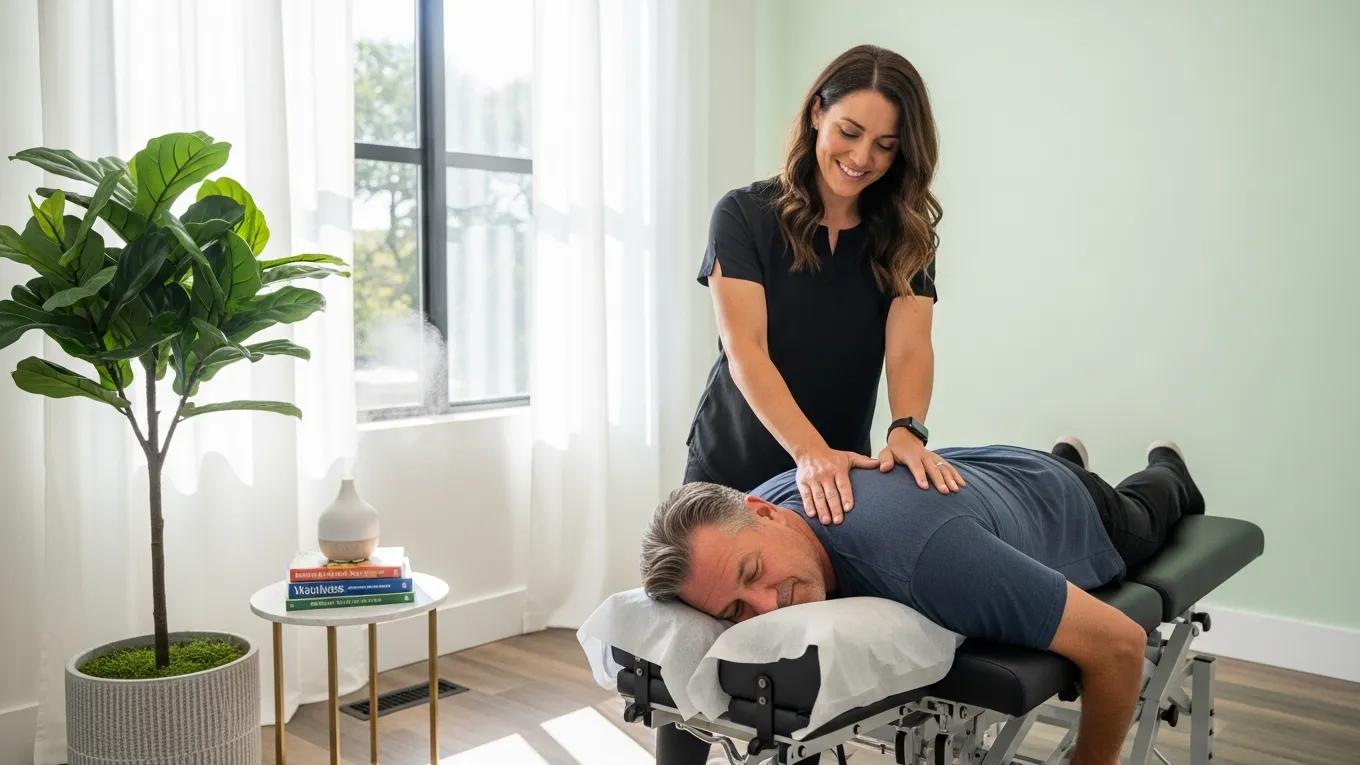
By Darren Lastofsky, Pivotal Health
Neuropathy is nerve damage that can cause persistent pain, numbness, and tingling. Knowing the symptoms and available treatment options in Lake Worth helps patients access appropriate care. This article reviews common symptoms, evidence-based treatment approaches, and how they may deliver lasting relief. Many people with chronic neuropathic pain feel uncertain about their options. With clear information and professional support, effective symptom management is achievable. We explain the signs of neuropathy, treatment choices, and the role of chiropractic care and wellness services in recovery.
Rising interest in non-pharmacological approaches highlights the need to evaluate a range of treatments for peripheral neuropathic pain.
Non-Pharmacological Treatments for Peripheral Neuropathic Pain
Peripheral neuropathic pain (PNP) refers to neuropathic pain arising in the acute or chronic phase of a lesion or disease affecting the peripheral nervous system. PNP carries a substantial disease burden, and there is growing demand for therapies used alone or in combination with existing treatments. This systematic review evaluated randomized controlled trial evidence for non-pharmacological interventions for PNP.
Non-pharmacological management of painful peripheral neuropathies: a systematic review, M Rekatsina, 2020
Neuropathy presents with several symptoms that can affect daily activities. Common signs include:
Early recognition of these signs supports timely evaluation and more effective treatment.
When it comes to treating neuropathy , clinicians offer options that aim to reduce symptoms and address underlying causes. Effective modalities include:
For patients seeking individualized care, a consultation with a specialist provides a tailored plan to manage neuropathy effectively.
Noticing peripheral neuropathy early can improve treatment outcomes. Monitor for unusual sensations in the hands and feet, such as numbness or tingling, and keep a symptom diary to track changes. Arrange a full evaluation with a healthcare provider if symptoms persist or worsen.
Certain signs require prompt medical assessment. These include:
Identifying these warning signs enables timely intervention and improved management of neuropathy.
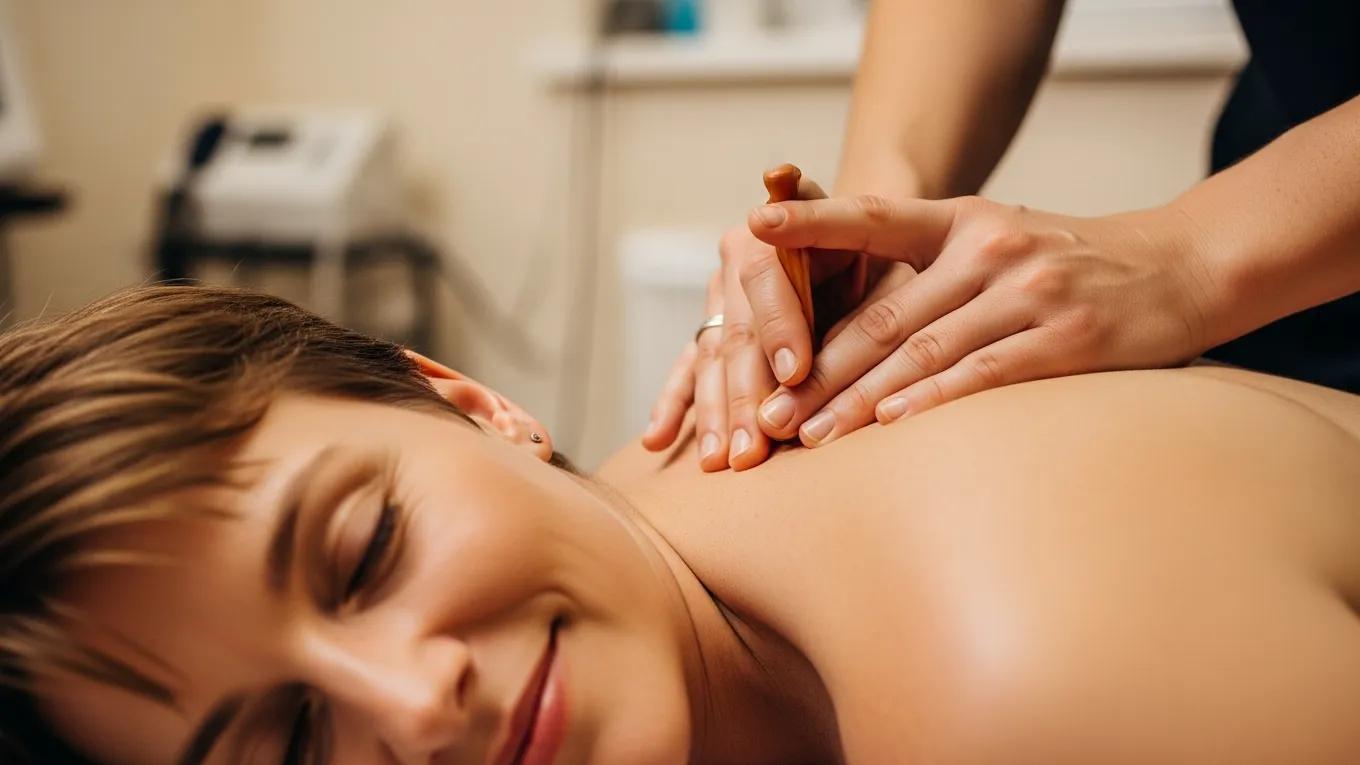
Chiropractic care offers a holistic approach to neuropathy management. Spinal adjustments can reduce pressure on nerves, which may lower pain and restore function. This method targets symptoms while promoting overall wellness. Many patients report measurable improvement after a series of treatments, supporting its role within a broader care plan.
Several chiropractic techniques are used to address neuropathy, including:
Providers tailor these techniques to each patient, creating a comprehensive plan for neuropathy management.
Chiropractic care offers several benefits for people with neuropathy, including:
Combined, these benefits make chiropractic care a valuable option for patients seeking relief from neuropathy symptoms.
Pain management for neuropathy typically uses a multi-faceted approach. Common strategies include:
Combining these strategies allows clinicians to design a comprehensive pain management plan that fits each patient's needs.
Non-invasive pain relief methods aim to reduce symptoms without surgery. Treatments such as laser therapy and spinal decompression act to lower inflammation and support tissue healing in affected areas. These techniques are generally well tolerated and can offer meaningful symptom relief.
Clinical research supports the use of specific non-invasive methods, including low-level laser therapy, for managing neuropathic pain.
Low Level Laser Therapy for Neuropathic Pain Relief
Low-level laser therapy (LLLT) has received attention as a treatment for neuropathic pain, with efforts to establish a “therapeutic window” for its effective use.
Use of low level laser therapy to control neuropathic pain: a systematic review, NA Parizotto, 2016
Patients should consider referral to a pain management clinic when chronic symptoms do not improve with standard care. Indications for specialist evaluation include:
A pain management clinic can broaden treatment options and help restore a better quality of life.

Wellness services support neuropathy treatment and recovery by addressing lifestyle and overall health. These services may include:
Incorporating wellness services into a treatment plan provides a holistic strategy for managing neuropathy.
Targeted lifestyle changes can improve neuropathy symptom control. Key modifications include:
Adopting these habits can lead to better overall health and more effective symptom management.
Physical therapy and wellness programs complement chiropractic care by expanding the treatment focus to include strength, mobility, and education. These programs often include:
This multidisciplinary approach can improve treatment results and support sustained recovery.
Patient reports from Lake Worth commonly highlight the value of a comprehensive approach. Many individuals note symptom improvement after combined chiropractic care, physical therapy, and wellness services. These success stories reinforce the importance of personalised plans and a supportive healthcare team.
Personalized care plans improve neuropathy outcomes by addressing each patient's specific needs. Typical elements include:
This tailored approach often leads to improved symptom control and higher satisfaction with care.
Local patients frequently report positive experiences with neuropathy care in Lake Worth. They value teams that listen and adapt treatment to their needs. Testimonials often mention the effectiveness of chiropractic care and the benefits of integrating wellness services into their plans.
Practical lifestyle changes can improve symptom control. Eat a balanced diet rich in vitamins and minerals to support nerve health. Stay active with regular exercise to boost circulation and reduce symptoms. Use stress-reduction practices, such as mindfulness or relaxation exercises, to limit symptom flare-ups. Together, these measures support better daily function and quality of life.
Nutritional counseling provides personalised dietary guidance to support nerve health and recovery. Diets high in antioxidants, vitamins, and minerals may reduce inflammation and aid healing. A nutrition specialist can also identify foods that worsen symptoms. Integrating nutrition into the treatment plan supports recovery and overall well-being.
Physical therapy helps restore strength, coordination, and mobility after nerve injury. Individualised exercise programs reduce symptoms and improve function. Therapists also teach self-management techniques to reduce recurrence. When combined with other treatments, physical therapy contributes to more complete recovery and better long-term outcomes.
Yes. Low-impact activities such as walking, swimming, and cycling improve circulation and can ease symptoms. Strength training builds muscle and enhances coordination, which helps prevent falls. Stretching increases flexibility and reduces stiffness. Consult a healthcare provider or physical therapist to design a safe, personalised exercise plan.
Stress management can reduce symptom severity. Practices like yoga, meditation, and deep-breathing promote relaxation and may lower pain levels. Adding these techniques to a treatment plan can enhance the effectiveness of other therapies and support long-term recovery.
During the first visit, you will receive a comprehensive evaluation that includes a detailed medical history, symptom review, and physical examination to assess nerve function and mobility. The provider may recommend diagnostic tests, such as nerve conduction studies, to measure nerve damage. Based on findings, a personalised treatment plan will be developed outlining recommended therapies.
Neuropathy can result from several causes, including diabetes, autoimmune disease, and nerve injury. Some causes can be managed effectively, and early diagnosis and treatment improve the likelihood of reversing or reducing symptoms. The potential for reversal depends on the underlying cause and how promptly treatment begins.
Chiropractic care can be effective for many patients, especially when used with other treatment modalities. It provides a non-invasive option that supports the body's natural healing processes. Many patients report high satisfaction and improved quality of life following chiropractic treatment , making it a useful component of a comprehensive neuropathy management plan.
| Treatment Modality | Description | Effectiveness | Patient Satisfaction |
|---|---|---|---|
| Chiropractic Care | Non-invasive spinal adjustments | High | 85% |
| Regenerative Medicine | Promotes healing through PRP therapy | Moderate | 75% |
| Spinal Decompression | Relieves pressure on spinal nerves | High | 80% |
| Laser Therapy | Reduces inflammation and promotes healing | Moderate | 70% |
To learn more about neuropathy symptoms and available treatments, visit Pivotal Health Center's website.
Recognizing neuropathy symptoms and reviewing effective treatment options are key steps toward lasting pain relief. Exploring approaches such as chiropractic care, regenerative medicine, and wellness services helps patients find tailored solutions for their needs. Proactive, personalised management can significantly improve quality of life. For individual guidance and to review our treatment options, schedule a consultation with our specialists.