
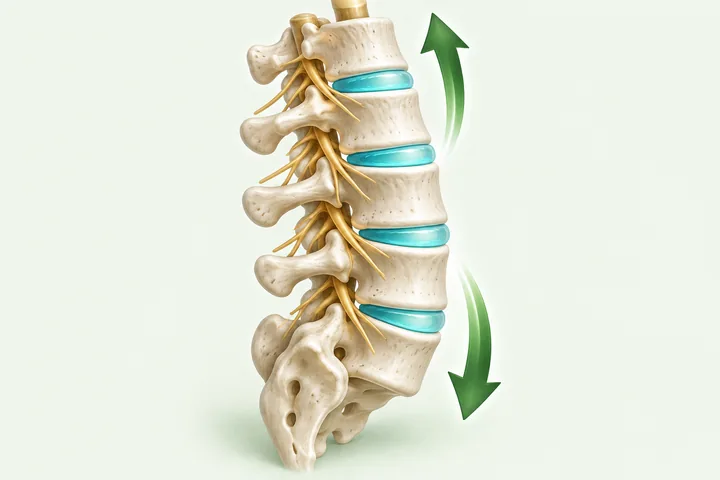
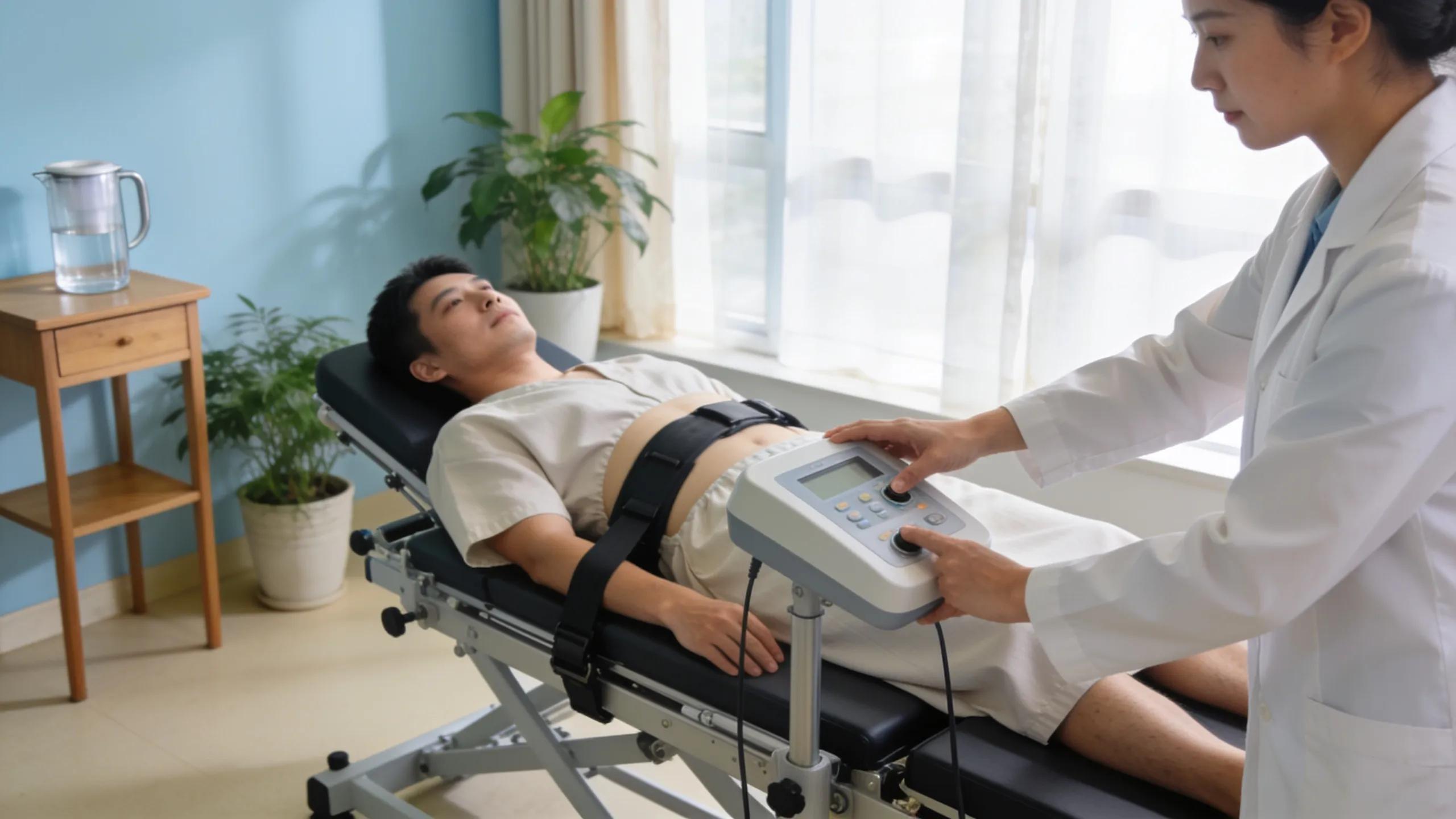
Non-surgical spinal decompression therapy is a noninvasive treatment aimed at reducing chronic back pain and encouraging tissue repair. The technique gently stretches the spine to create negative pressure inside the discs, which can reduce nerve compression and support the flow of healing nutrients. Many patients with herniated discs or persistent back pain seek alternatives to surgery; this article explains how spinal decompression therapy works, reviews patient outcomes, and outlines its benefits compared with surgical options. We also describe the conditions it treats, the typical procedure, and complementary therapies that support recovery.
Treatment Mechanisms
Spinal decompression uses controlled, programmable traction to create negative pressure within the intervertebral discs. That reduced pressure can help retract herniated or bulging disc material away from nearby nerve roots, relieving pain and improving function. The therapy also encourages fluid and nutrient movement into the discs, which supports healing and tissue regeneration. Recognising these mechanisms helps explain why this approach can be effective for selected patients with disc-related back pain.
Patient Outcomes

Clinical reports and patient series show that a substantial proportion of individuals experience symptom improvement after spinal decompression. Outcome rates vary between studies and patient groups, so exact percentages depend on the specific evidence base. These findings indicate that, for many patients, decompression can deliver durable pain relief and better daily function when used as part of an appropriate treatment plan.
Advantages Over Surgical Options
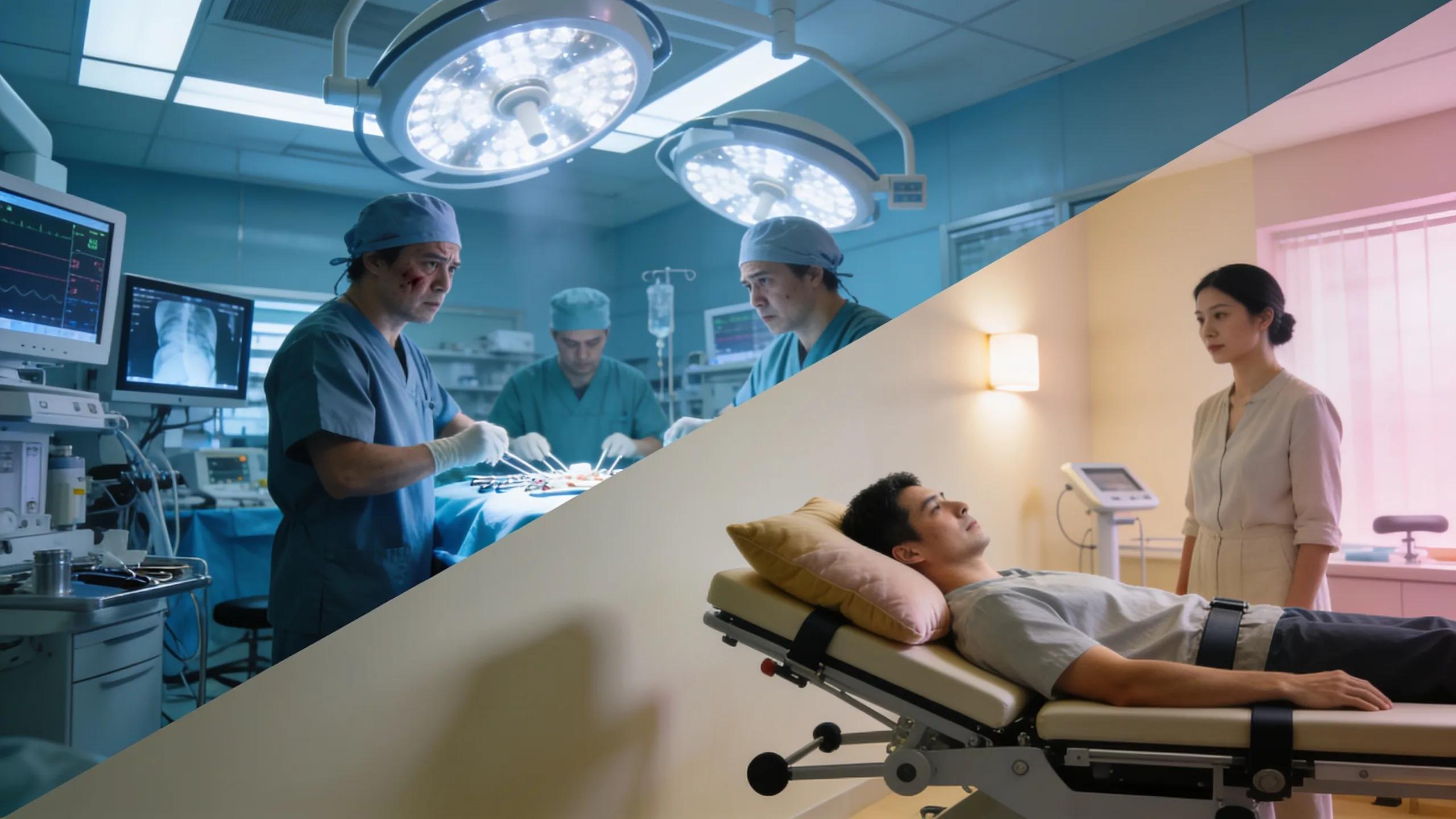
Non-surgical spinal decompression offers several advantages compared with surgical interventions, particularly for patients seeking lower-risk alternatives.
- Non-invasive Treatment: Unlike surgery, this therapy does not require incisions or anesthesia, making it a safer option for many patients.
- Comfortable Experience: Patients often report a more comfortable experience during treatment, with minimal discomfort compared to surgical procedures.
- Reduced Recovery Time: The recovery time associated with non-surgical therapy is generally shorter, allowing patients to return to their daily activities more quickly.
For patients weighing treatment options, non-surgical spinal decompression can be a compelling alternative to operative care when the clinical indication supports it.
Explore More Insights on Spinal Decompression Therapy
Spinal decompression can improve pain, mobility, and overall patient satisfaction when applied to the appropriate conditions. The therapy aims to reduce nerve pressure, restore range of motion, and help patients regain function with a low-risk, noninvasive approach.
- Pain Relief for Chronic Conditions: Many patients experience substantial pain relief from conditions such as herniated discs and sciatica.
- Enhanced Mobility: The therapy can improve flexibility and range of motion, allowing patients to engage in activities they may have previously avoided.
- Overall Patient Satisfaction: High satisfaction rates among patients indicate that this therapy effectively addresses their pain management needs.
How Does Spinal Decompression Provide Pain Relief and Promote Healing?
By lowering disc pressure, spinal decompression facilitates the movement of fluids and nutrients into damaged disc tissue, which supports natural repair and reduces inflammation. As nerve compression decreases, many patients report measurable pain relief and improved function early in their course of care.
What Makes Non-Invasive Back Pain Treatment Safer Compared to Surgery?
Non-invasive approaches such as spinal decompression carry fewer systemic risks than surgery. Surgical patients may face complications including infection, longer rehabilitation, and the possibility of additional procedures. In contrast, decompression is associated with a lower complication profile, shorter recovery periods, and greater procedural comfort for most candidates.
Which Conditions Can Non-Surgical Spinal Decompression Effectively Treat?
Spinal decompression is commonly used for conditions that involve disc displacement or nerve compression, including bulging discs, herniated discs, and some cases of spinal stenosis. Patient selection is important to ensure the best outcomes.
How Does Spinal Decompression Address Herniated Discs and Chronic Back Pain?
The therapy applies controlled traction to create negative pressure within the affected disc, which can help retract herniated material and relieve pressure on adjacent nerves. This targeted approach addresses the source of nerve irritation while supporting the disc’s healing processes, often resulting in reduced pain and improved daily function.
Can Spinal Decompression Therapy Help Patients with Neuropathy?
Patients with neuropathy may benefit when nerve root compression contributes to their symptoms. By reducing pressure on the nerve roots, decompression can lessen tingling, numbness, and pain for some patients. Clinical response varies, so evaluation by a healthcare professional is required to determine suitability.
What Does the Non-Surgical Spinal Decompression Procedure Involve?
The procedure begins with a comprehensive consultation to assess history, imaging, and overall suitability. During treatment, a computerised table applies controlled traction to the spine while clinicians monitor patient comfort and response. Sessions are adjusted to optimise therapeutic effect and safety.
What Is the Step-by-Step Process of Chiropractic Spinal Decompression?
The typical process includes: a thorough initial consultation and evaluation; the decompression sessions, during which the patient is positioned on a specialised table and controlled traction is applied; and follow-up care with recommendations for complementary therapies or home exercises to support recovery.
How Do Complementary Therapies Enhance Spinal Decompression Outcomes?
Adjunct treatments such as physical therapy, chiropractic adjustments, and therapeutic massage can reinforce decompression outcomes by strengthening supporting musculature, improving flexibility, and correcting posture. These complementary approaches help consolidate gains and reduce the risk of recurrence.
What Role Does Regenerative Medicine Play in Supporting Spine Healing?
Regenerative techniques, including platelet-rich plasma and stem cell therapies, may be used alongside decompression to support tissue repair. When indicated and supported by clinical evidence, integrating regenerative medicine can help accelerate healing and improve functional recovery.
How Does ProBalance Therapy Complement Spinal Decompression Treatment?
ProBalance therapy targets musculoskeletal balance, alignment, and stability to complement decompression. By addressing posture and muscle imbalances, ProBalance can enhance the structural support of the spine and contribute to more durable treatment results.
What Are the Typical Costs and Insurance Considerations for Spinal Decompression Therapy in Lake Worth?
Costs vary according to the treatment plan and provider expertise, but non-surgical decompression generally costs less than surgical alternatives. Some insurance plans may cover chiropractic decompression; patients should verify benefits and potential out-of-pocket expenses with their insurer.
How Does the Cost of Non-Surgical Spinal Decompression Compare to Surgical Options?
Compared with surgery, non-surgical spinal decompression typically involves lower overall expenses by avoiding hospital stays, anaesthesia, and extended postoperative care. This cost difference makes decompression an appealing option for many patients seeking effective, less costly care.
Are There Insurance Plans That Cover Chiropractic Spinal Decompression?
Insurance coverage for chiropractic decompression varies by plan and provider. Patients are advised to contact their insurer to confirm coverage details and to ask about financial assistance or payment options if needed.
What Do Patients Say About Their Experience with Spinal Decompression Therapy?
Patient accounts commonly report meaningful reductions in pain and improvements in daily function following decompression. Many highlight the non-invasive nature of the treatment and the quicker return to normal activities as key benefits.
What Are Common Patient Success Stories and Outcomes?
Typical success stories describe decreased pain, restored mobility, and a return to activities that patients had limited or abandoned. Patients often express relief at finding a non-surgical approach that helps manage their symptoms effectively.
How Does Patient Feedback Reflect the Therapy’s Effectiveness and Safety?
Feedback generally supports the therapy’s safety and effectiveness, with high satisfaction and few reported adverse effects among appropriate candidates. These consistent patient experiences reinforce decompression therapy as a reasonable option for selected cases.
Frequently Asked Questions
What can I expect during the first visit for spinal decompression therapy?
During the initial visit you will receive a detailed consultation that reviews your medical history and current symptoms. A physical assessment may evaluate spinal alignment and mobility, and the clinician will explain findings and develop a tailored treatment plan. This appointment is an opportunity to address questions and set realistic expectations before treatment begins.
How many sessions are typically needed for spinal decompression therapy to be effective?
The required number of sessions varies by patient and condition. Many individuals undergo between 15 and 30 sessions to reach optimal results. Your clinician will adjust frequency and duration based on clinical response and progress toward treatment goals.
Is spinal decompression therapy suitable for everyone?
Not all patients are candidates for decompression. Individuals with severe osteoporosis, spinal fractures, cancer involving the spine, or certain surgical implants may be unsuitable. A comprehensive clinical evaluation will determine whether the therapy is appropriate for your situation.
Are there any contraindications or side effects associated with spinal decompression therapy?
Spinal decompression is generally well tolerated. Some patients may experience temporary soreness, discomfort, or fatigue after sessions; these effects usually resolve quickly. Certain conditions, such as advanced disc degeneration or specific spinal injuries, may contraindicate the treatment, so full disclosure of your medical history is essential.
How does spinal decompression therapy compare to other non-surgical back pain treatments?
Decompression complements other non-surgical options like physical therapy, chiropractic adjustments, and pain-management strategies. While physical therapy emphasises rehabilitation and strengthening, decompression specifically addresses disc-related pressure and nerve irritation. A clinician can recommend the best combination based on your diagnosis and goals.
What lifestyle changes can complement spinal decompression therapy for better results?
Supporting decompression with lifestyle measures improves outcomes. Maintain good posture, perform regular low-impact exercise, and follow core-strengthening routines. Adequate hydration and a balanced diet with anti-inflammatory foods may also assist recovery. Discuss personalised recommendations with your healthcare provider.
Conclusion
Non-surgical spinal decompression provides a measured, evidence-informed option for managing chronic back pain while avoiding invasive procedures. Patients may experience reduced pain, improved mobility, and high satisfaction when the treatment is applied appropriately and combined with recommended adjunct therapies. To determine whether decompression is suitable for you, consult with a qualified clinician and review your treatment options.
Schedule a visit or call 561-434-4900 to speak with our team.