
Discover How Effective Non-Surgical Spinal Decompression Is
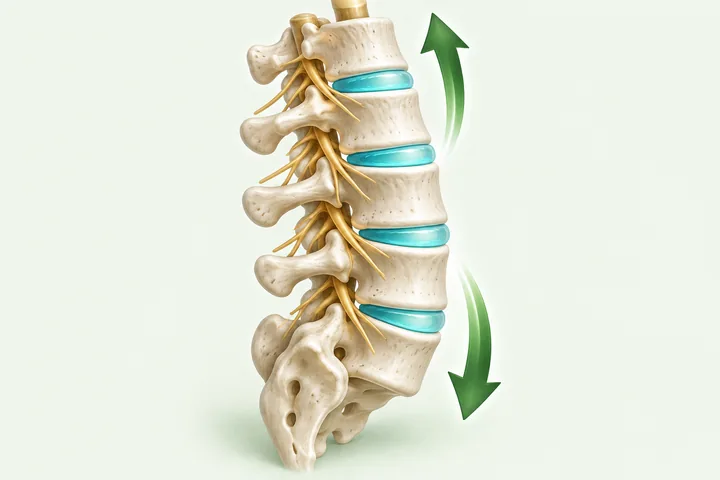
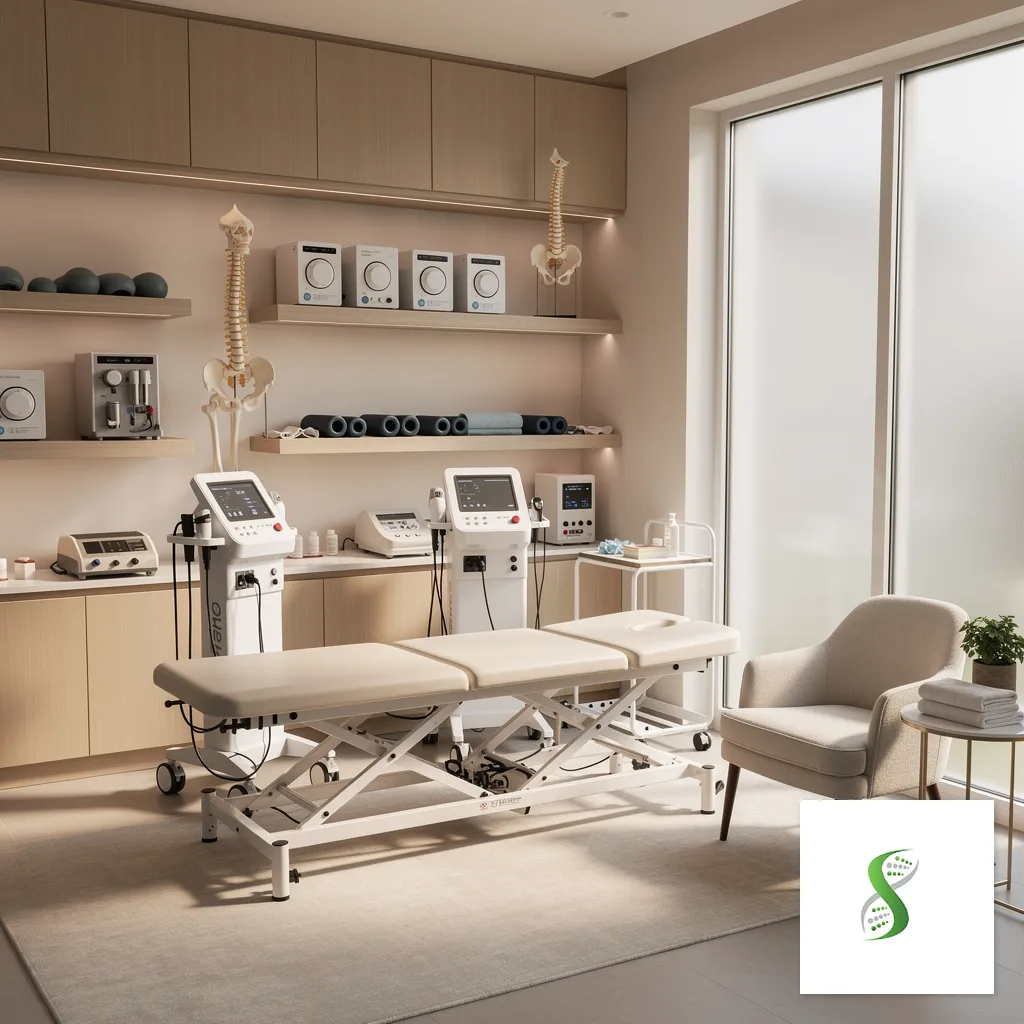
When it comes to How Effective Is Non-Surgical Spinal Decompression for Relieving Chronic Back Pain?, motorized traction gently stretches the spine, changing its force and position to reduce pressure on spinal disks and relieve pinched nerves. A randomized controlled trial found non-surgical decompression combined with routine physical therapy improves pain, range of motion, and functional disability in patients with lumbar radiculopathy.
More Resources on Spinal Decompression Therapy
- Non-surgical spinal decompression uses motorized traction to gently stretch the spine and relieve pressure.
- The therapy changes spinal force and position, reducing disk pressure that causes chronic pain.
- Randomized controlled trials demonstrate decompression therapy combined with physical therapy improves lumbar radiculopathy outcomes.
- Pivotal Health in Lake Worth Beach, Florida offers non-surgical decompression as an effective pain relief option.
What Causes Chronic Back Pain to Persist?
Disc and bone problems in the spine frequently pinch nearby nerves, producing pain that lingers long after an initial injury heals. Compression on a nerve root sends signals of discomfort down the back, hips, or legs, and standard rest or medication often fails to address the underlying pressure. Pivotal Health and Wellness, located in Lake Worth Beach, FL, treats this root cause directly rather than masking symptoms with temporary relief.
Why Doesn’t Back Pain Go Away on Its Own?
Pain persists because the structural source, whether a bulging disc, a narrowed spinal canal, or a degenerating vertebra, has not been treated. Painkillers and rest reduce inflammation temporarily, but they don’t restore space around a compressed nerve. Without addressing that pressure, symptoms typically return.
Several structural issues commonly drive long-term back pain:
- Herniated or bulging discs pressing against spinal nerves
- Degenerative disc disease, where discs lose height and cushioning over time
- Spinal stenosis, a narrowing of the canal that crowds nerve roots
- Sciatica, nerve irritation radiating from the lower back through the leg
Can Treatment Address the Root Cause Instead of Just the Symptoms?
Yes. Pivotal Health builds its treatment approach on more than 30 years of combined clinical expertise across regenerative medicine, chiropractic care, shockwave and laser therapies, spinal decompression, and physician-guided weight loss. That breadth allows the clinical team to target the specific structural driver behind each patient’s pain rather than applying a one-size-fits-all remedy.
Patients who have cycled through medication, injections, or physical therapy without lasting change often discover that the underlying compression was never actually resolved. Identifying that source marks the first step toward relief that holds.
How Does Spinal Decompression Relieve Pressure?
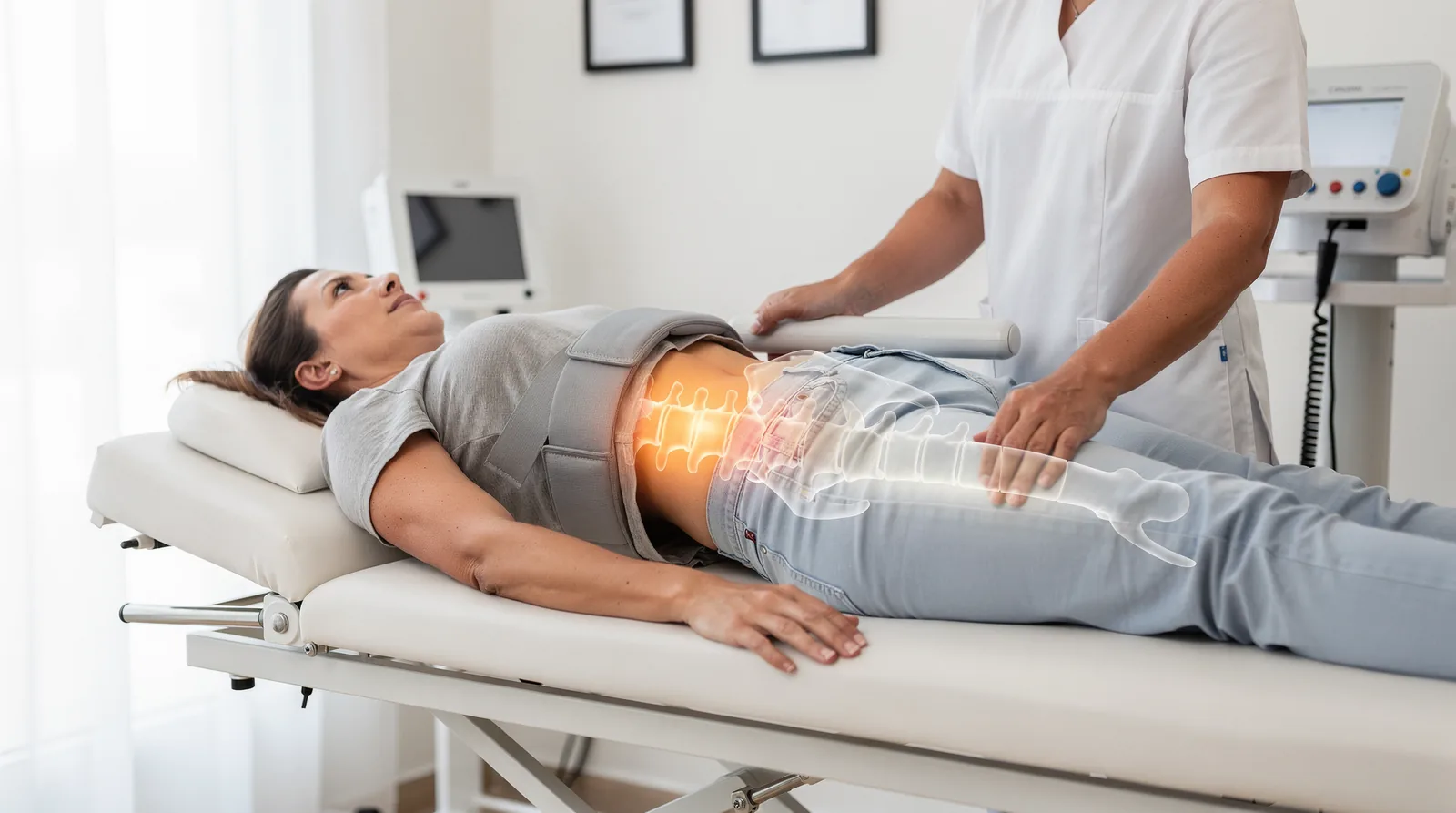
Non-surgical spinal decompression relieves pressure through a computerized feedback mechanism that decompresses spinal nerve roots by way of controlled, segmental distraction. A specialized table or harness system applies precise, measured pulling force to specific spinal segments, rather than yanking the whole spine at once. That precision matters for anyone who has tried a generic inversion table or over-the-counter traction device without success.
The technology behind this therapy functions as a form of motorized traction. Instead of a fixed pull, the equipment gently stretches the spine in cycles, alternating tension and release. This shifting of force and position changes how weight distributes across the vertebrae, taking direct pressure off compressed spinal disks. For someone living with a bulging disc pressing on a nerve root, that pressure reduction often translates into less radiating pain down the leg or arm.
Does Decompression Work Alone, or Does It Need Other Treatments?
Decompression rarely works in isolation. At Pivotal Health, spinal decompression functions as one part of a broader, minimally invasive toolkit that includes:
- Regenerative medicine
- Chiropractic care
- Shockwave therapy
- Laser therapy
Combining these approaches addresses inflammation, joint mechanics, and nerve irritation from multiple angles instead of relying on one modality to do all the work.
What Does a Personalized Decompression Plan Look Like?
No two spines compress the same way, so treatment plans differ by patient. Personalized plans at Pivotal Health prioritize minimally invasive care built around each patient’s specific disc and nerve findings. The goal stays consistent: restore function and improve quality of life for patients throughout Lake Worth and neighboring communities, without rushing toward surgical intervention before conservative options have a fair chance to work.
What Does the Research Say About Effectiveness?
Clinical evidence supports non-surgical spinal decompression as an add-on to standard care for spine-related pain. A randomized controlled trial examined patients with lumbar radiculopathy, a condition where a compressed nerve root in the lower back causes pain, numbness, or weakness radiating into the leg. The study compared two groups: one receiving routine physical therapy alone, and one receiving physical therapy combined with non-surgical spinal decompression.
Researchers didn’t just track pain scores. The trial measured five distinct outcomes to determine whether decompression added real value beyond physical therapy alone.
What outcomes did researchers measure?
Investigators followed patients across several measures tied to daily function, not just comfort. These included:
- Pain levels, using validated pain-rating tools
- Lumbar range of motion, or how freely the low back bends and rotates
- Functional disability, reflecting difficulty with everyday tasks like bending or lifting
- Back muscle endurance, a marker of spinal support strength
- Quality of life, capturing the broader physical and emotional toll of chronic pain
This multi-dimensional approach matters. Patients frustrated by conservative treatment often care less about a single pain number and more about whether they can return to work, sleep through the night, or move without guarding their back.
Does experience influence outcomes with decompression therapy?
Clinical skill shapes how well decompression protocols translate into relief. Pivotal Health’s clinical team brings more than 30 years of combined expertise applying non-surgical approaches to pain. Mobility conditions, informing how decompression is sequenced alongside other therapies.
Rather than applying a one-size-fits-all protocol, treatment plans are built around the individual patient. The goal centers on restoring function and quality of life, minimizing invasive intervention wherever clinically appropriate for patients throughout Lake Worth and neighboring communities.
Who Is a Good Candidate for Decompression?
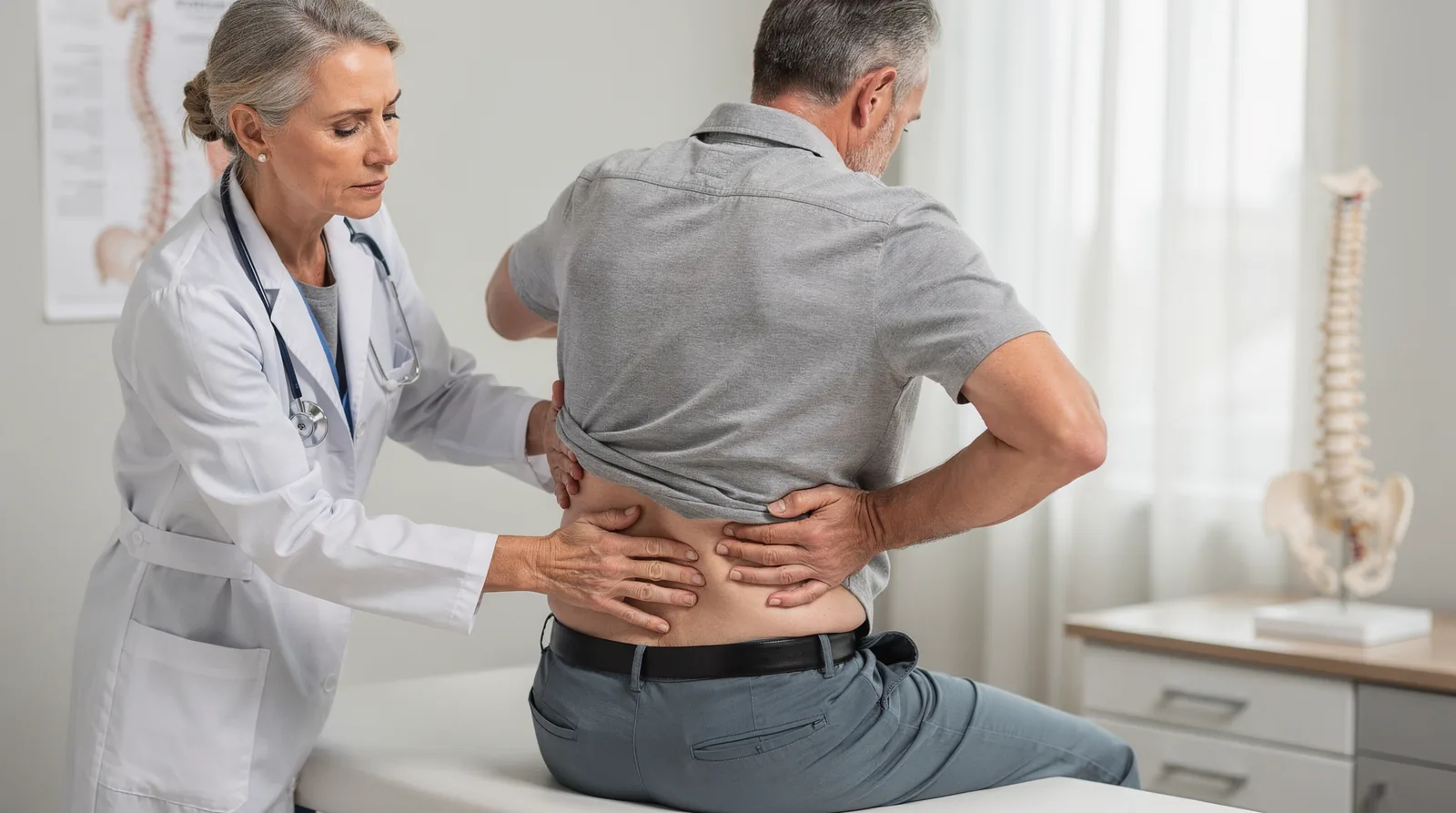
Good candidates share one trait: months or years of chronic back pain that hasn’t responded to rest, medication, or basic physical therapy. Most people start with non-invasive therapies first, and only turn to advanced options once home care stops working. Non-surgical spinal decompression typically enters the conversation at this point, before a surgical referral becomes the next step.
Chronic pain sufferers considering surgery aren’t the only candidates, though. Anyone stuck in a cycle of temporary relief followed by relapse fits the profile too. Pivotal Health builds each treatment plan around the specific pain pattern. Mobility limitation a patient presents, rather than applying a single fixed protocol to every case.
What Symptoms Suggest Decompression Might Help?
Radiating leg pain, numbness, tingling, and stiffness that limits daily movement are common signals. These symptoms often point to nerve root compression, which decompression therapy targets directly.
Does Location Affect Access to Treatment?
Residents of Lake Worth Beach, Florida, and neighboring communities benefit from a clinic focused on comprehensive, non-surgical care close to home.
Candidacy generally includes:
- Chronic or recurring low back pain lasting weeks to months
- Prior non-invasive treatments (rest, medication, basic PT) with limited results
- Radiculopathy symptoms like leg pain, numbness, or tingling
- A desire to explore alternatives before consulting a surgeon
A personalized evaluation determines whether decompression fits an individual case. Pain causes and severity vary widely from patient to patient.
What Should You Expect From Treatment at Pivotal Health?
Treatment at Pivotal Health and Wellness begins with a plan built around the whole patient, not just an isolated disc or nerve. Pain rarely comes from a single source. The clinic blends non-surgical spinal decompression with regenerative medicine, chiropractic care, shockwave and laser therapies, and physician-guided weight loss. This combined approach draws on more than 30 years of clinical expertise, giving patients access to multiple treatment paths under one roof rather than a single fix that may fall short.
Patients in Lake Worth and the surrounding communities can expect care that stays minimally invasive whenever possible. The goal isn’t just pain reduction — it’s restoring function so patients can return to normal movement, work, and daily activities. Personalized plans are designed around each patient’s specific diagnosis, whether that’s sciatica, degenerative disc disease, or spinal stenosis, rather than a one-size-fits-all protocol.
Does decompression work better alone or combined with other therapies?
Research on non-surgical decompression therapy has examined its added effect when paired with routine physical therapy, looking specifically at pain levels, range of motion, functional disability, and quality of life. This combined-therapy model mirrors the philosophy at Pivotal Health, where decompression rarely stands alone. Layering therapies together addresses both the mechanical pressure on the spine. The surrounding muscle and joint dysfunction that keeps pain cycling back.
What does comprehensive care look like in practice?
A typical plan may include:
- Spinal decompression sessions to relieve pressure on affected discs and nerve roots
- Chiropractic adjustments to support alignment and mobility
- Shockwave or laser therapy to target soft tissue healing
- Physician-guided weight loss to reduce spinal load over time
Each element works toward the same outcome: lasting relief and improved quality of life.
Non-surgical spinal decompression represents a meaningful advancement for patients seeking relief from chronic back pain without invasive procedures. By gently reducing pressure on affected nerves. Discs, this therapy addresses the underlying causes of pain rather than merely masking symptoms. Our experienced team at Pivotal Health remains committed to helping patients reclaim their quality of life through evidence-based, patient-centered care that prioritizes lasting wellness and functional improvement.
FAQ
How does spinal decompression relieve pressure on the spine?
A computerized feedback mechanism applies controlled, segmental distraction through a specialized table or harness system, delivering precise pulling force to specific spinal segments to decompress nerve roots.
What conditions does non-surgical spinal decompression treat?
It addresses herniated or bulging discs, degenerative disc disease, spinal stenosis, and sciatica by targeting the structural source of nerve compression rather than masking symptoms.
Where can patients get non-surgical spinal decompression treatment?
Pivotal Health in Lake Worth Beach, Florida, offers this therapy, backed by more than 30 years of combined clinical expertise across chiropractic care, regenerative medicine, and spinal decompression.
How does decompression therapy compare to back surgery?
Non-surgical spinal decompression is typically explored before surgery, since it relieves nerve pressure through gentle, controlled traction rather than an invasive procedure. Many patients try decompression alongside chiropractic care, regenerative medicine, or shockwave and laser therapy first, reserving surgical referral for cases where conservative, minimally invasive options haven’t provided lasting relief.
Can spinal decompression help with sciatica or degenerative disc disease?
Yes. By reducing pressure on compressed nerve roots and restoring disc space, decompression therapy can ease sciatica symptoms like radiating leg pain and numbness, and it supports patients with degenerative disc disease as part of a broader, personalized treatment plan.
Conclusion
Chronic back pain rarely resolves on its own when a structural issue, such as a herniated disc, spinal stenosis, or degenerative disc disease, is compressing a nerve root. Non-surgical spinal decompression addresses that pressure directly, using controlled, segmental traction rather than masking symptoms with rest or medication alone. Research supports pairing decompression with routine physical therapy to improve pain, range of motion, and functional disability in patients with lumbar radiculopathy.
At Pivotal Health, decompression works alongside chiropractic care, regenerative medicine, shockwave and laser therapies, and physician-guided weight loss, drawing on more than 30 years of combined clinical expertise to build a plan around each patient’s specific diagnosis. For adults throughout Lake Worth Beach and neighboring communities who have tried conservative treatments without lasting relief, this combined, minimally invasive approach offers a path toward restored function before surgery becomes the next step.
Schedule a visit or call 561-434-4900 to speak with our team.