
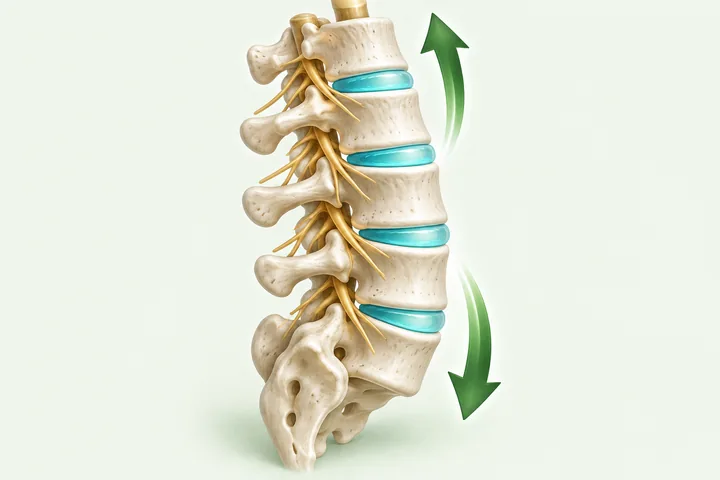

Spinal decompression therapy is a non‑invasive clinical treatment intended to reduce persistent back pain and support spinal healing. The procedure gently stretches the spine to reduce pressure on discs and nearby nerves, which can lead to measurable pain reduction and improved movement. For patients in Lake Worth, a clear understanding of spinal decompression therapy can improve comfort and expectations during care. This article summarises the benefits, the treatment process, and safety considerations to inform prospective patients.
Benefits

Spinal decompression therapy provides targeted relief for people with ongoing back pain and related spinal conditions.
- Pain Relief: It helps reduce pain by relieving pressure on the spinal discs and nerves.
- Healing Promotion: The therapy replenishes nutrients, fluids, and oxygen to injured discs, promoting healing.
- Non-Invasive: Unlike surgery, it avoids risks associated with anesthesia, infections, and medications.
For patients seeking conservative pain management, spinal decompression can be a clinically valuable option. At Pivotal Health and Wellness, our team delivers this therapy with a focus on measurable outcomes and patient safety.
Learn More About Spinal Decompression Therapy
The spinal decompression pathway follows defined steps to prioritise patient comfort and clinical effectiveness.
- Initial Consultation: The process begins with an in-office consultation to assess symptoms and medical history.
- Customized Treatment Plan: Based on the assessment, a tailored treatment program is developed.
- Decompression Sessions: Using a computer-controlled device, the therapy applies gentle traction to the spine.
This structured approach ensures treatment is personalised so each patient receives care suited to their specific diagnosis and goals.
Safety Considerations

Patient safety is central to the delivery of spinal decompression therapy.
- FDA Approved: The decompression device is FDA approved and operates within safe limits.
- Pain Tolerance: The force is adjusted to remain within the patient’s pain tolerance.
- Effectiveness: Studies indicate that spinal decompression is effective for a significant percentage of patients.
At Pivotal Health and Wellness, we follow established safety protocols and monitor patients throughout treatment to maintain high standards of care.
What Is Spinal Decompression Therapy and How Does It Work?
Spinal decompression is a non‑surgical procedure that uses a computerised device to apply controlled traction to the spine. The technique creates reduced pressure inside the spinal discs, which can allow bulging or herniated disc material to move inward and permits improved inflow of nutrients and fluids to support tissue repair. This mechanism can reduce nerve irritation and pain, making the therapy appropriate for conditions such as herniated discs and chronic low back pain.
Understanding Non-Surgical Spinal Decompression Techniques
Non‑surgical spinal decompression techniques rely on precise, evidence‑guided technology to apply spinal traction in a controlled manner.
- Computerized Traction: The treatment is administered using an FDA-approved, computer-controlled device.
- Gentle Stretching: The therapy involves a gentle stretching of the spine.
- Physiological Effects: By alleviating pressure on the nerve roots, spinal decompression can help reduce symptoms.
These methods are intended to provide symptom relief while avoiding the risks inherent to surgical procedures.
How Spinal Decompression Targets Herniated Discs and Chronic Back Pain
Spinal decompression specifically addresses herniated discs by creating negative intradiscal pressure that can permit disc material to retract and reduce nerve compression.
- Mechanism of Action: This negative pressure helps to relieve pressure on the nerves and spinal cord.
- Expected Outcomes: The expected outcomes include a reduction in chronic back pain and improved mobility.
- Patient Testimonials: Many patients report significant improvements in their symptoms.
This focused approach can offer meaningful symptom relief for patients with disc‑related pain.
What Are the Benefits of Spinal Decompression Therapy for Lake Worth Patients?
For Lake Worth patients, spinal decompression therapy can deliver measurable therapeutic effects for persistent spinal pain.
- Therapeutic Effects: The therapy aims to treat the underlying causes of back and neck pain.
- Long-Term Advantages: Studies indicate that a substantial percentage of patients experience effective pain relief.
- Impact on Pain Relief: Patients often report immediate relief from symptoms.
These documented benefits demonstrate how the therapy may improve daily function and long‑term comfort for individuals with chronic pain.
Relief from Chronic Back Pain and Neuropathy Symptoms
Spinal decompression can address chronic back pain and related neuropathic symptoms; patients with nerve‑related discomfort may also benefit from specialised neuropathy treatment options.
- Mechanisms of Action: The therapy helps replenish essential nutrients and relieve pressure.
- Patient Experiences: Patients often report that the treatment is comfortable and relaxing.
- Clinical Evidence: Research indicates that a significant percentage of patients experience immediate symptom resolution.
Beyond pain reduction, the therapy can contribute to overall functional improvement and patient well‑being.
Improved Mobility and Quality of Life Outcomes
Improved mobility and quality of life are commonly reported following a course of spinal decompression therapy.
- Effectiveness Statistics: A high percentage of patients reported immediate resolution of symptoms.
- Specific Patient Outcomes: Patients with ruptured intervertebral discs achieved good to excellent results.
- Post-Treatment Benefits: Patients often experience reduced pain and improved mobility.
These outcomes reflect the therapy’s role in restoring function and reducing the daily impact of chronic spinal conditions.
What Should Patients Expect During the Spinal Decompression Treatment Process?
Patients can expect a clearly defined, supportive treatment sequence when undergoing spinal decompression.
- Initial Consultation: The process begins with an in-office consultation.
- Treatment Sessions: Spinal decompression therapy involves a series of sessions.
- Post-Treatment Care: Patients are often advised to drink an adequate amount of water daily.
This comprehensive plan ensures patients understand the course of care and are prepared for each stage of treatment.
What Are the Potential Side Effects and Safety Considerations of Spinal Decompression Therapy?
Although spinal decompression is generally well tolerated, patients should be informed of possible side effects and limitations.
- Common Side Effects: Some patients may experience temporary soreness.
- Patient Eligibility: Not all patients are suitable candidates for therapy.
- Contraindications: Specific medical conditions may prevent treatment.
Clear evaluation of eligibility and discussion of contraindications help patients and clinicians choose the safest, most effective plan.
How Does Spinal Decompression Compare to Other Chronic Back Pain Treatment Options?
Spinal decompression offers distinct advantages as a non‑surgical option for many patients with chronic back pain.
- Effectiveness Comparison: Spinal decompression therapy has shown effectiveness in a significant percentage of patients.
- Recovery Times: The recovery time for spinal decompression therapy is generally shorter than for surgical interventions.
- Patient Satisfaction Rates: High satisfaction rates reported by patients.
These comparisons support spinal decompression as a viable conservative treatment within a broader care plan.
Integrating Spinal Decompression with Regenerative Medicine and Wellness Services
Combining spinal decompression with complementary wellness or regenerative therapies can enhance overall treatment outcomes for suitable patients.
- Pain Relief Synergy: Spinal decompression therapy alleviates pressure on the spine.
- Enhanced Healing: Combined with regenerative medicine, it may improve tissue repair.
- Improved Mobility: Both therapies aim to restore function and mobility.
An integrated care strategy can provide a comprehensive path to longer‑term recovery for patients managing chronic spinal conditions.
What Do Lake Worth Patients Say About Their Spinal Decompression Therapy Experience?
Patient testimonials offer practical insight into real outcomes and satisfaction with spinal decompression therapy.
- Patient Satisfaction: Many patients express high satisfaction with the therapy.
- Common Feedback: Patients report significant improvements in their conditions.
- Treatment Outcomes: Positive outcomes noted in patient testimonials.
These patient experiences illustrate the therapy’s potential to reduce pain and improve daily function for many individuals.
Frequently Asked Questions
1. Who is a good candidate for spinal decompression therapy?
Spinal decompression therapy is appropriate for people with chronic back pain, herniated discs, or spinal stenosis, subject to clinical evaluation. A thorough assessment by a qualified clinician will determine suitability. Patients with conditions such as severe osteoporosis, recent fractures, or spinal tumours may be unsuitable for this therapy. An individualised evaluation ensures the best balance of benefit and safety.
2. How long does a typical spinal decompression treatment session last?
A typical session lasts approximately 30 to 45 minutes. During treatment, the patient lies comfortably on a specialised table while a computerised device delivers controlled traction. Session length and the total number of visits vary by condition; most protocols involve multiple sessions over several weeks to achieve optimal results.
3. What equipment is used during the spinal decompression therapy?
Spinal decompression uses a specialised, FDA‑approved computerised traction device that delivers precise, adjustable forces to the spine. The equipment allows clinicians to customise settings for each patient, improving safety and comfort while supporting therapeutic goals.
4. Are there any lifestyle changes recommended after undergoing spinal decompression therapy?
After therapy, patients are commonly advised to adopt measures that support recovery and long‑term spine health. Recommended steps include targeted exercises to strengthen supporting muscles, weight management, improved posture, and adequate hydration. Regular follow‑up appointments help track progress and adjust the plan as needed.
5. Can spinal decompression therapy be combined with other treatments?
Yes. Spinal decompression can be integrated with physical therapy, chiropractic care, or regenerative approaches to provide a coordinated treatment plan. Multidisciplinary care can enhance results; discuss combined options with your clinician to tailor a safe, effective strategy.
6. What kind of results can patients realistically expect from spinal decompression therapy?
Many patients experience meaningful pain reduction and improved mobility, often within the first few sessions. Individual outcomes vary with condition severity and adherence to the treatment plan. Long‑term benefits may include improved function and reduced dependence on pain medications. Regular reassessment guides clinical decisions and measures progress.
7. Is there any recovery time needed after spinal decompression therapy?
Because the treatment is non‑invasive, most patients have minimal recovery time and can resume normal activities immediately. Some individuals report mild, temporary soreness comparable to post‑exercise discomfort; this typically resolves quickly. Following post‑treatment guidance helps optimise recovery and minimise side effects.
Conclusion
Spinal decompression therapy is a conservative option that reduces spinal pressure and supports healing without surgery. Patients frequently experience improved mobility and quality of life when treatment is delivered within a structured, evidence‑based programme. To determine whether spinal decompression is appropriate for your situation, schedule a consultation with our specialists at Pivotal Health and Wellness to discuss personalised care options.
Schedule a visit or call 561-434-4900 to speak with our team.