
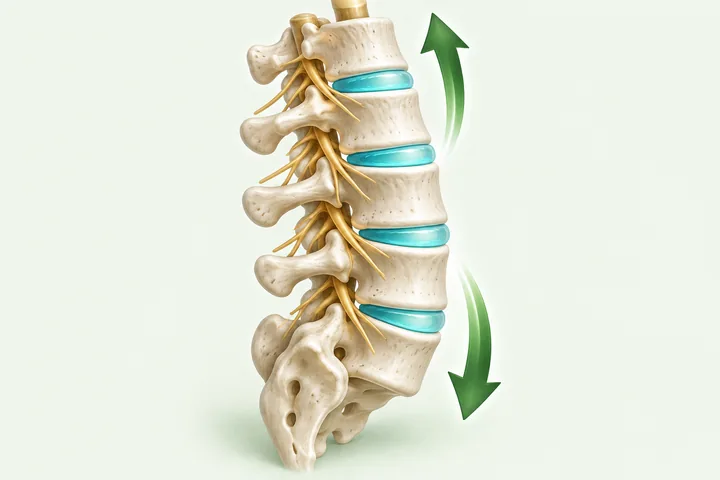
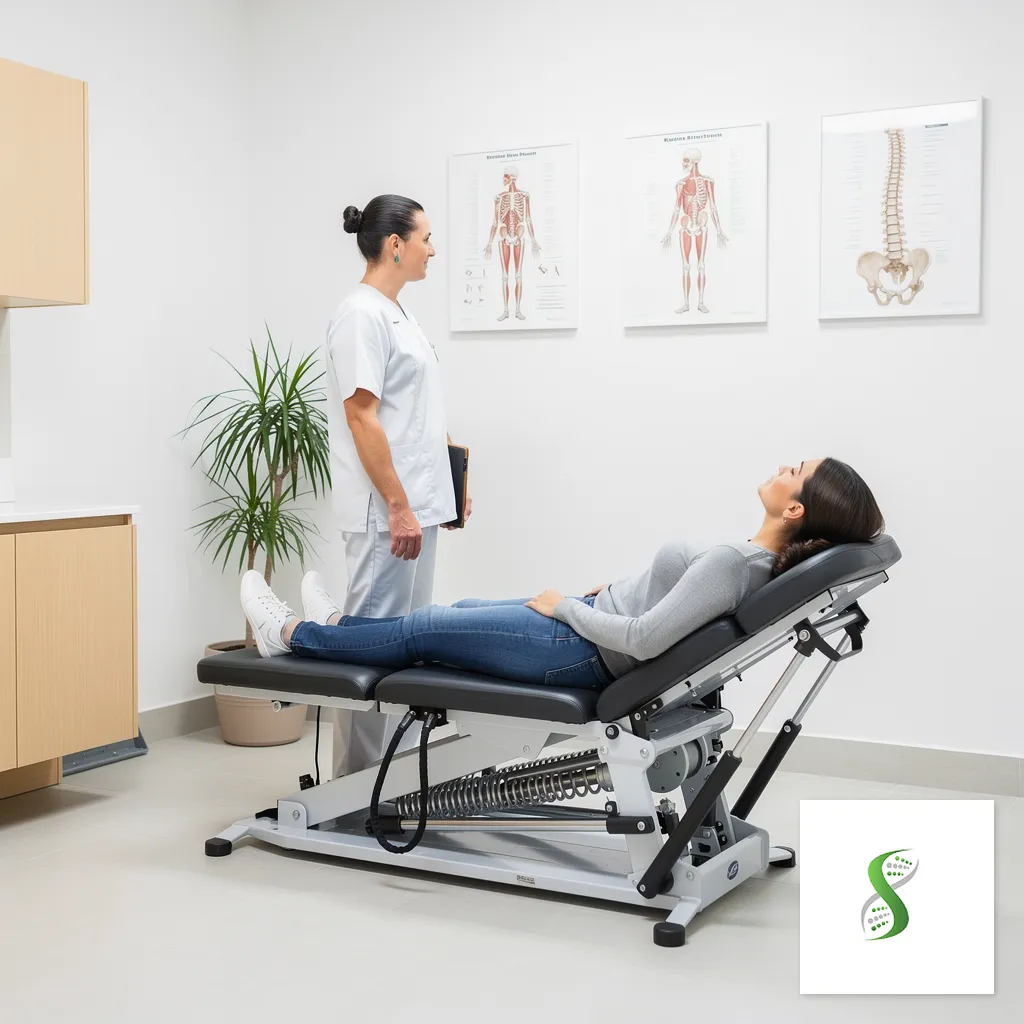
When it comes to What Are the Risks. Benefits of Spinal Decompression Therapy Compared to Surgery?, spinal decompression therapy offers a non-invasive alternative with minimal downtime and no infection risk. Surgery carries anesthesia complications and longer recovery. Pivotal Health in Lake Worth Beach, Florida, provides non-surgical decompression for patients seeking reduced risk before considering invasive procedures. Surgery delivers faster results for severe nerve compression but involves higher complication rates.
Spinal decompression offers a non-invasive path to relief without surgical risks like infection, bleeding, blood clots, or nerve irritation. Spinal fusion carries these same risks plus a small chance of nonunion. Pivotal Health, based in Lake Worth Beach, Florida, supports non-surgical decompression as a safer first-line option before considering surgery.
Spinal decompression therapy uses non-invasive traction to relieve disc pressure, sparing patients from surgical risks such as infection, anesthesia complications, and lengthy recovery. Surgery delivers faster relief for severe nerve compression but carries greater
Understanding the Benefits of Non-Surgical Spinal Decompression
- Spinal decompression therapy offers non-surgical pain relief for herniated and bulging discs without infection risks.
- Spinal fusion surgery carries rare but serious risks including infection, bleeding, blood clots, and nerve irritation.
- Nonunion complications occur in spinal fusion when bones fail to fuse completely after the procedure.
- Pivotal Health in Lake Worth Beach, Florida provides spinal decompression therapy as a conservative treatment option.
How Do Surgery and Decompression Actually Differ?
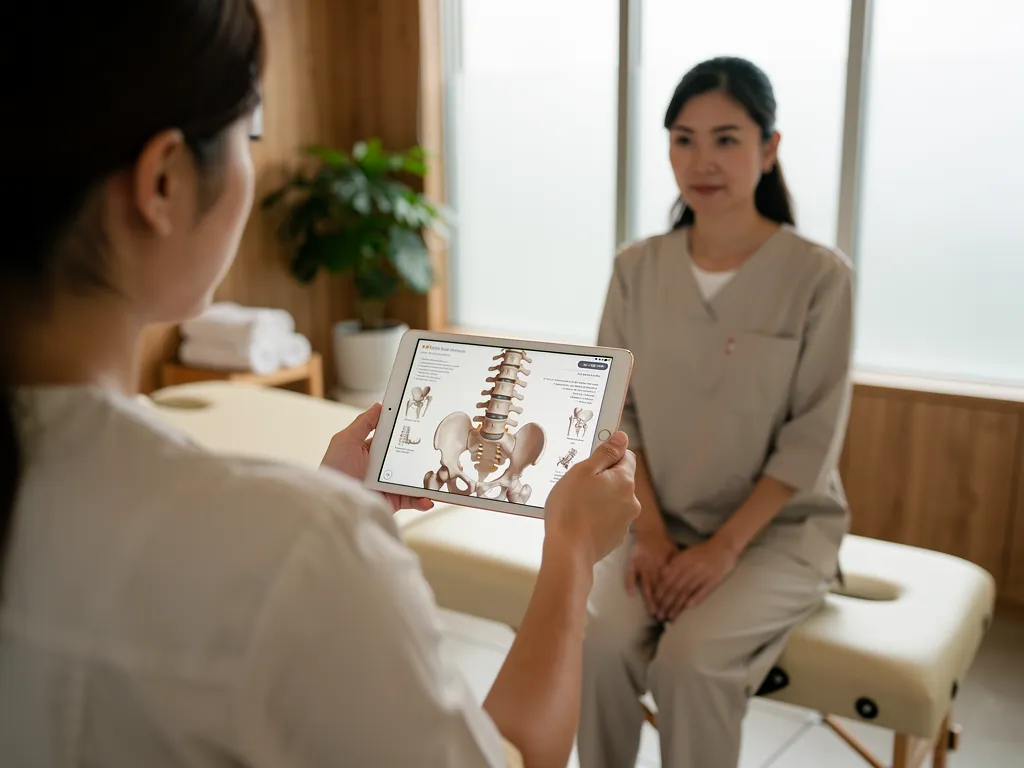
Surgery and spinal decompression address the same problem through opposite methods: one operates inside the body, the other works from the outside without a single incision. Surgical options range from minor procedures to major operations such as discectomy, laminectomy, and spinal fusion. Each surgical approach targets pressure on the spinal cord or nerves, sometimes removing disc material or fusing vertebrae together permanently.
Spinal decompression therapy takes a different path entirely. A specialized table gently stretches the spine, creating negative pressure within the disc space. That pressure change helps herniated or bulging discs retract, easing the strain on nearby nerves without cutting, anesthesia, or hospital stays.
Is Decompression Just a Milder Version of Surgery?
Not quite. Surgery physically alters spinal structures — removing tissue, cutting bone, or joining vertebrae. Decompression, by contrast, restores natural disc positioning through mechanical stretching, leaving the spine’s original architecture intact.
Factor
Surgery
Spinal Decompression
Invasiveness
Incision required
Non-invasive, table-based
Structural change
Permanent (fusion, tissue removal)
Temporary pressure adjustment
Goal
Stabilize spine, remove pressure source
Encourage disc retraction naturally
Pivotal Health builds its approach around this non-surgical philosophy. Rather than treating pain in isolation, the clinic combines regenerative medicine, spinal decompression, chiropractic care, shockwave, and laser therapies to address the root cause of discomfort. This layered model gives chronic pain sufferers a genuine alternative before considering an operating table. One built on decades of combined clinical expertise.
What Risks Come With Spinal Surgery?
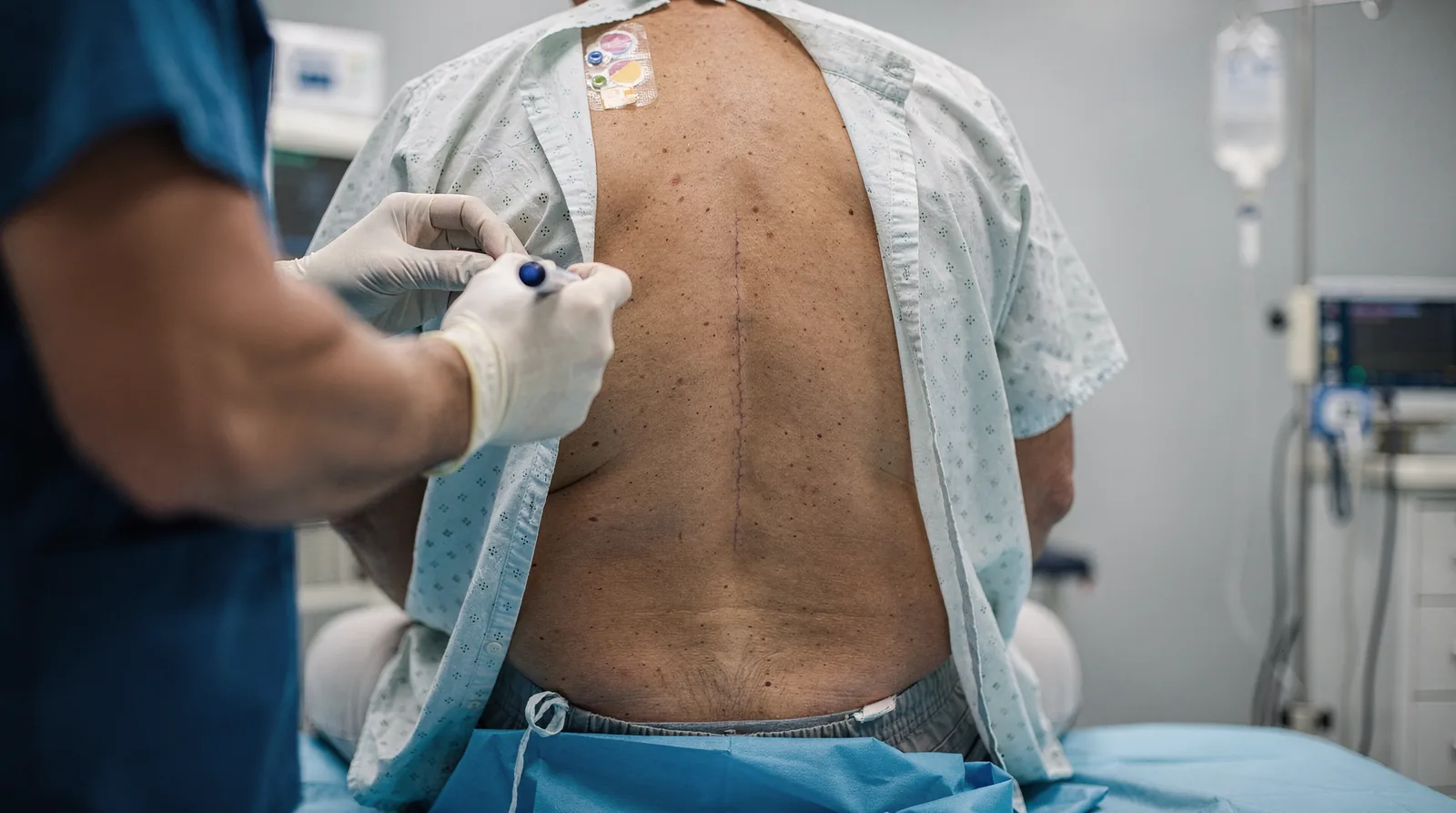
Spinal surgery exposes patients to infection, bleeding, blood clots, and nerve irritation. Serious complications remain uncommon, but the exposure exists with any surgical procedure involving the spine. For someone already living with a herniated disc or spinal stenosis, weighing that exposure against the promise of relief becomes a central part of the decision.
Spinal decompression therapy compared to surgery starts to matter most once these risks come into focus. Fusion surgery carries an additional concern beyond the general surgical risks: the vertebrae sometimes fail to join completely, a complication called nonunion. This outcome is uncommon and often manageable with follow-up care, but it can mean extended healing time and further intervention.
Can spinal surgery fail after the procedure?
Yes. Patients who undergo fusion or discectomy face the possibility of nerve damage, infection, blood clots, and outright failed surgery requiring additional operations. A second surgery brings its own recovery period, its own costs, and its own emotional toll on someone already exhausted from chronic pain.
Surgical risks patients should weigh include:
- Infection at the incision site
- Bleeding or blood clots
- Nerve irritation or nerve damage
- Nonunion of the vertebrae after fusion
- Failed surgery requiring additional procedures
Pivotal Health and Wellness approaches these risks by offering non-surgical, root-cause treatment for pain and mobility issues. Personalized, minimally invasive care plans give patients in Lake Worth a path toward restored function without the infection, bleeding, or nerve complications tied to surgical procedures.
FAQ
What are the main risks of spinal fusion surgery?
Spinal fusion carries risks including infection, bleeding, blood clots, and nerve irritation, plus a small chance of nonunion where the bones fail to fuse completely.
How does spinal decompression therapy differ from surgery?
Decompression uses a specialized table to stretch the spine and create negative pressure, easing nerve strain without incisions, anesthesia, or hospital stays, unlike surgical procedures.
Does Pivotal Health offer decompression as an alternative to surgery?
Pivotal Health, located in Lake Worth Beach, Florida, combines spinal decompression with regenerative medicine, chiropractic care, shockwave, and laser therapies as a conservative option before surgery.
Who is a good candidate for spinal decompression therapy?
Patients with herniated or bulging discs, sciatica, degenerative disc disease, or mild to moderate spinal stenosis are often good candidates, especially those who want to explore non-surgical options before committing to an operation. A consultation at Pivotal Health can determine whether decompression fits a patient’s specific condition.
Is spinal decompression therapy painful or does it require recovery time?
No. Spinal decompression is non-invasive, typically well-tolerated, and involves no incisions or anesthesia, so patients can usually resume daily activities right after a session, unlike the extended recovery associated with spinal surgery.
Can spinal decompression therapy help patients avoid surgery altogether?
For many patients with herniated or bulging discs, decompression therapy can relieve nerve pressure and reduce pain enough to avoid surgery entirely. Cases involving severe nerve compression may still require surgical evaluation, which is why Pivotal Health assesses each patient individually.
Conclusion
Choosing between spinal decompression therapy and surgery comes down to weighing exposure against urgency. Decompression offers a non-invasive way to relieve pressure on herniated or bulging discs without the infection, bleeding, blood clot, or nerve irritation risks tied to an operation, while surgery remains the faster route to relief when nerve compression is severe. For patients who want to explore a conservative option first, Pivotal Health in Lake Worth Beach combines spinal decompression with regenerative medicine, chiropractic care, shockwave, and laser therapy to address the root cause of pain before surgery becomes the only path forward.
Schedule a visit or call 561-434-4900 to speak with our team.