
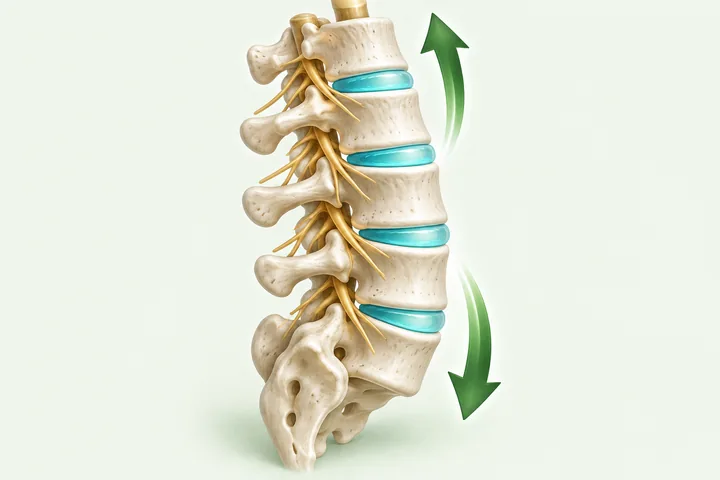
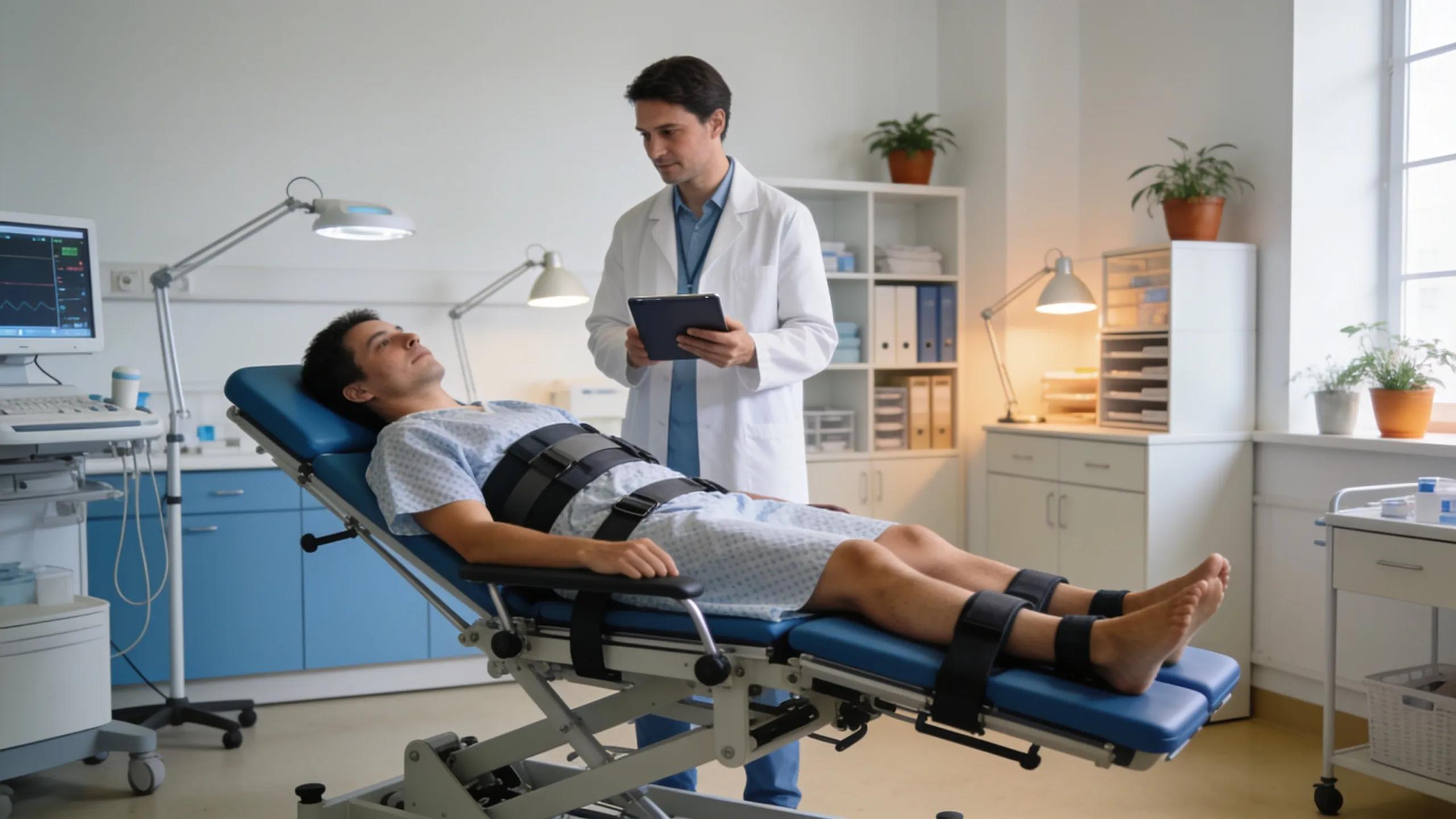
Spinal decompression therapy is a non‑invasive treatment that reduces pressure on spinal discs and nerves to help relieve chronic back pain and improve mobility. The technique uses controlled traction to gently stretch the spine, support tissue recovery and ease discomfort. Many patients report meaningful improvement, but the therapy carries potential risks and side effects that patients should understand. This article outlines common side effects, eligibility criteria, safety protocols, possible complications, recovery expectations, and evidence from patient reports and clinical studies. Understanding these factors helps patients make informed treatment decisions. For detailed information on this treatment, explore spinal decompression therapy.
What Are the Common Side Effects of Spinal Decompression Therapy?

Patients may experience side effects that vary in intensity and duration. Common reactions include mild discomfort, muscle spasms and temporary increases in pain. These effects are usually short‑lived and can be managed with rest and over‑the‑counter analgesics or simple home measures. Knowing these possibilities sets realistic expectations for the course of care.
Which mild symptoms might patients experience after treatment?
After treatment, patients may notice soreness at the treated site, brief muscle spasms or a temporary rise in pain. These symptoms typically ease within hours to a few days. If discomfort persists or worsens, contact your healthcare provider; they can advise measures such as gentle stretches or ice application to manage symptoms.
How do these side effects compare to other non-invasive therapies?
Compared with other non‑invasive options—such as chiropractic adjustments or physical therapy—side effects are generally similar: short‑term soreness as the body adapts. Because decompression uses a gentler traction approach, it may produce fewer adverse reactions than more forceful techniques. These comparisons help patients and clinicians choose the most appropriate option.
Who Should Avoid Spinal Decompression Therapy? Patient Eligibility and Contraindications
Spinal decompression benefits many patients, but it is not suitable for everyone. A thorough clinical assessment is essential to determine candidacy and ensure safety. If you are reviewing treatment options, consider the services available at Pivotal Health Center.
What medical conditions contraindicate spinal decompression therapy?
Certain medical conditions contraindicate spinal decompression. These include severe osteoporosis, spinal fractures, spinal tumours and some cases of advanced arthritis or recent spinal surgery. A qualified clinician should perform a comprehensive evaluation before treatment to confirm suitability.
For a deeper dive into specific contraindications, this study offers valuable insights into interspinous decompression devices.
How does patient evaluation ensure treatment safety?
A careful patient evaluation safeguards treatment safety. Clinicians review medical history, current health and any underlying conditions to identify risks. This assessment informs a personalised plan that prioritises safety and expected benefit.
How Is Spinal Decompression Therapy Administered to Minimize Risks?
Administration follows established protocols aimed at minimising risk and maximising comfort. Discuss advanced options, including regenerative medicine, with a specialist to determine the most appropriate approach for your condition.
What safety protocols are followed during treatment sessions?
During sessions clinicians use approved traction equipment and continuously monitor patient responses. These precautions help deliver therapy safely and reduce the likelihood of adverse effects.
How does chiropractic care complement spinal decompression for better outcomes?
Chiropractic care can complement decompression by addressing related musculoskeletal issues. Combining targeted adjustments with decompression may enhance pain relief and mobility as part of a tailored treatment plan.
Explore Our Related Spinal Decompression Articles
Although generally safe, decompression carries potential complications that patients should consider. If you have nerve‑related symptoms, it may be appropriate to review neuropathy treatment options with your clinician.
Which rare but serious risks should patients be aware of?
Rare but serious risks include nerve injury, worsening of existing conditions or new neurological symptoms. Patients should be informed of these possibilities and report any unusual signs to their healthcare provider promptly.
How do clinical studies inform risk management?
Clinical studies inform risk management by emphasising careful patient selection and adherence to safety protocols. Staying informed of current research helps clinicians reduce complications and improve outcomes.
How Long Is Recovery After Spinal Decompression Therapy and What Should Patients Expect?

Recovery varies by individual and depends on condition severity and overall health. Understanding expected recovery helps set realistic goals. Some patients report using ProBalance supplements as part of their wellness routine; consult your clinician before starting any supplement and review potential benefits and risks.
What are typical recovery timelines and aftercare recommendations?
Many patients notice some improvement within a few weeks, while full recovery can take several weeks to months depending on individual factors. Recommended aftercare typically includes gentle stretching, structured physical therapy and regular follow‑up appointments to monitor progress.
How do complementary therapies support recovery and wellness?
Complementary therapies—massage, acupuncture and physical therapy—can support recovery by reducing pain and promoting healing. Discuss these options with your clinician to build a comprehensive recovery plan tailored to your needs.
What Do Patient Testimonials and Clinical Evidence Reveal About Therapy Safety?
Patient accounts and clinical evidence together offer insight into the safety and effectiveness of decompression, helping prospective patients assess suitability and set realistic expectations.
How do patient experiences reflect on side effect management?
Many patients describe meaningful pain relief and improved mobility. Testimonials emphasise the value of clear communication about side effects and tailored care throughout the treatment process.
How do recent research support the efficacy and safety of spinal decompression?
Recent research supports the efficacy and safety of spinal decompression for chronic back pain when applied appropriately, showing improvements in pain levels and functional outcomes. Staying informed about new findings helps patients and clinicians make evidence‑based decisions.
Frequently Asked Questions
What should I expect during my first spinal decompression therapy session?
Your first session begins with a detailed consultation and review of your medical history. The clinician will explain the procedure, answer questions and fit you to the traction device. The therapy involves a gentle, controlled stretch of the spine and usually lasts about 30 to 45 minutes. You will be monitored during the session to ensure comfort and safety throughout.
How often should I undergo spinal decompression therapy?
Treatment frequency depends on your condition. Typical plans involve 2–3 sessions per week for several weeks. Your healthcare provider will tailor a schedule to meet your recovery goals and adjust it based on your response to therapy and symptom changes.
Are there any home exercises recommended after spinal decompression therapy?
Yes. Gentle stretching, core‑strengthening exercises and low‑impact activities such as walking or swimming are commonly recommended. Your healthcare provider will supply a specific aftercare plan to complement therapy. Follow their guidance to support recovery and protect your spine.
Can spinal decompression therapy be combined with other treatments?
Yes. Decompression is often combined with physical therapy, chiropractic care and massage to address the broader causes of pain. Always discuss your treatment plan with your healthcare provider to determine the safest and most effective combination for your needs.
How can I manage any discomfort I experience during recovery?
If you experience discomfort, rest and ice to the affected area can be helpful. Over‑the‑counter pain relievers may be appropriate if recommended by your doctor. Gentle stretching and prescribed aftercare exercises promote healing. Maintain open communication with your healthcare provider about any persistent or worsening symptoms.
What role does hydration play in recovery from spinal decompression therapy?
Staying hydrated supports disc health by helping maintain elasticity and aiding circulation. Adequate fluid intake assists nutrient delivery to spinal tissues and can help reduce inflammation. It is recommended to drink water before and after therapy sessions to support recovery.
Conclusion
Spinal decompression is a non‑invasive option for reducing chronic back pain and improving mobility for many patients. Awareness of potential side effects and attention to safety are essential when choosing treatment. Consult qualified clinicians and review comprehensive care options to manage your spinal health effectively. Learn more about our services and take the next step toward better spine health.
Schedule a visit or call 561-434-4900 to speak with our team.