
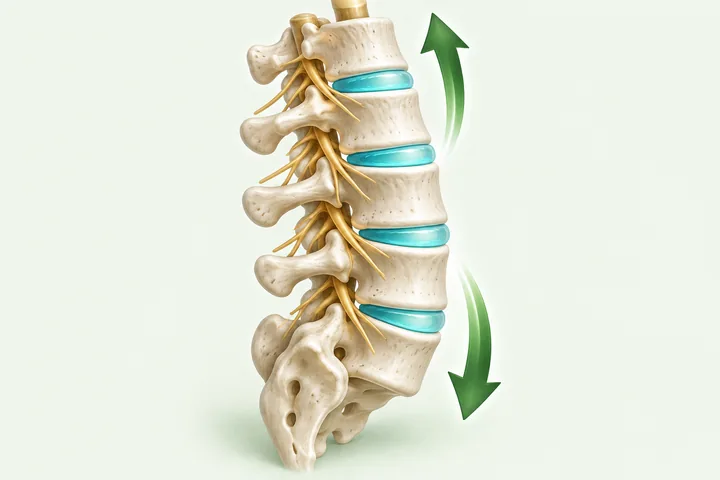
Back pain affects millions and often prompts a search for treatments that balance effectiveness with safety. Two commonly considered options are spinal decompression therapy and traditional surgical procedures. This article compares their mechanisms, benefits, and risks to help you evaluate which approach may suit your condition and recovery goals. We focus on clear, evidence-based information so you can discuss realistic options with your healthcare team.
Benefits of Spinal Decompression:
Spinal decompression therapy provides several clinical advantages that make it a viable option for many patients with mechanical back pain.
- Non-invasive Treatment: Unlike traditional surgery, spinal decompression is a non-invasive procedure that does not require incisions or general anesthesia, reducing the risk of complications.
- Effective Pain Relief: Many patients report significant pain relief following spinal decompression therapy, as it targets the root causes of discomfort by alleviating pressure on spinal discs and nerves.
- High Success Rate: Studies indicate that spinal decompression therapy can have a favorable success rate, with many patients experiencing improved mobility and quality of life.
For patients considering this option, Pivotal Health and Wellness offers chiropractic and wellness services, including personalised spinal decompression programs tailored to individual clinical needs.
Risks of Spinal Decompression:
Although spinal decompression is generally well tolerated, it carries potential downsides that patients should understand before starting treatment.
- Temporary Discomfort: Some patients may experience mild discomfort during or after the procedure, which typically resolves quickly.
- Variable Results: The effectiveness of spinal decompression can vary from person to person, with some individuals experiencing significant relief while others may see minimal improvement.
Benefits of Traditional Surgery:
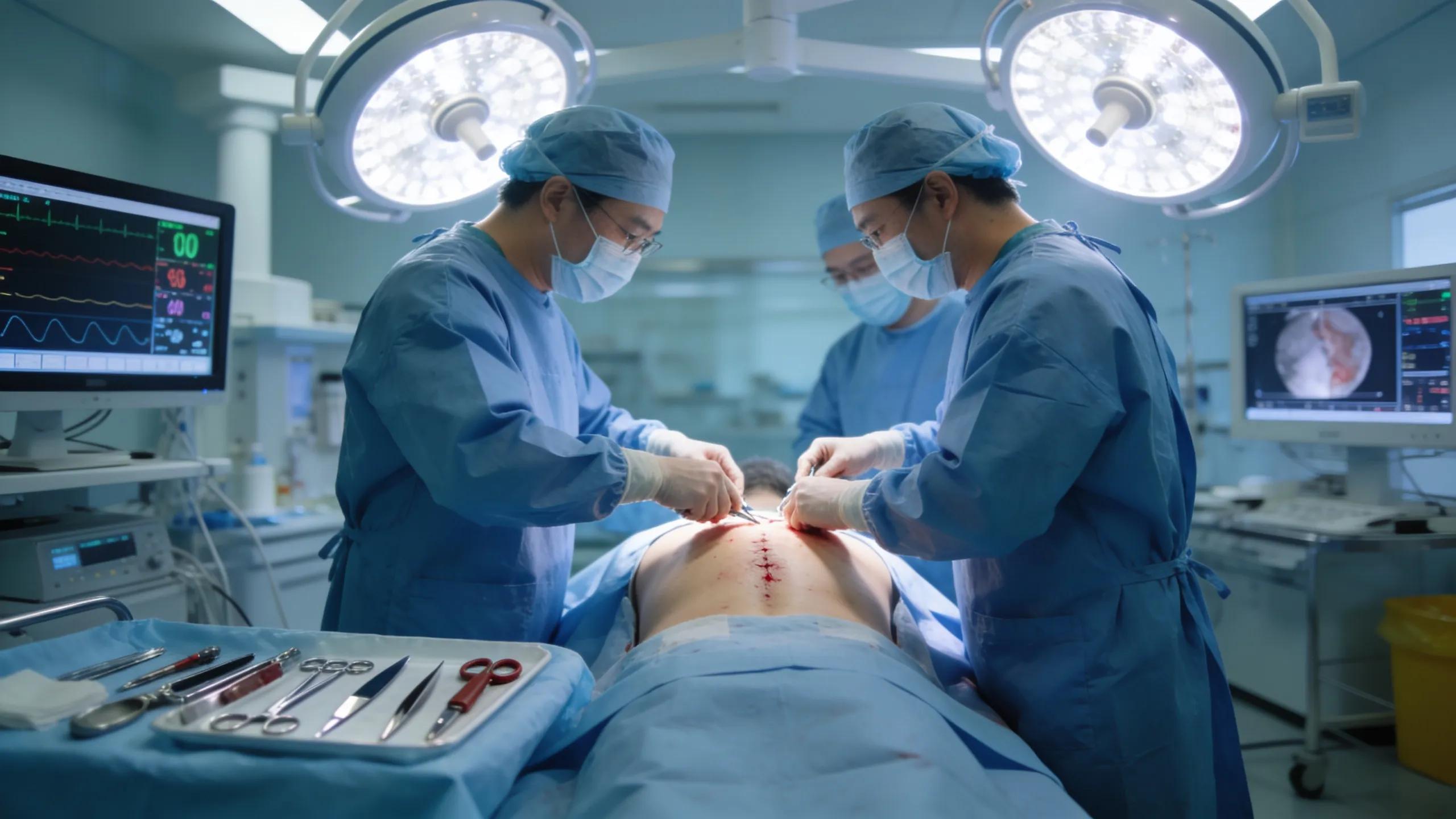
For patients with structural spinal problems that do not respond to conservative care, traditional surgery can correct anatomical issues and reduce sources of nerve compression.
- Immediate Structural Correction: Surgical procedures can offer immediate correction of structural issues, such as herniated discs or spinal stenosis, which may not respond to non-surgical treatments.
- Potential for Complete Resolution: For some patients, surgery may lead to complete resolution of pain, allowing them to return to normal activities without discomfort.
Risks of Traditional Surgery:
Surgical intervention carries well-known risks that must be weighed against expected benefits.
- Invasive Procedure: Surgery involves incisions and anesthesia, which carry inherent risks, including infection and complications from anesthesia.
- Long Recovery Time: Patients often face extended recovery periods, during which they may experience pain and limited mobility.
- Possible Complications: There is a risk of complications, such as nerve damage or persistent pain, even after surgery.
Recognising the potential complications of spinal surgery helps patients and clinicians set realistic expectations and plan appropriate perioperative care.
Considerations:
Choosing between spinal decompression and surgery depends on clinical severity, imaging findings, overall health, and the goals you and your clinician agree upon.
- Severity of Condition: The severity of your back pain and the underlying cause will significantly influence your treatment choice.
- Personal Health: Your overall health and any pre-existing conditions may affect your suitability for surgery or non-invasive treatments.
- Treatment Goals: Consider what you hope to achieve with treatment, whether it is pain relief, improved mobility, or a return to specific activities.
What Is Spinal Decompression Therapy and How Does It Work?
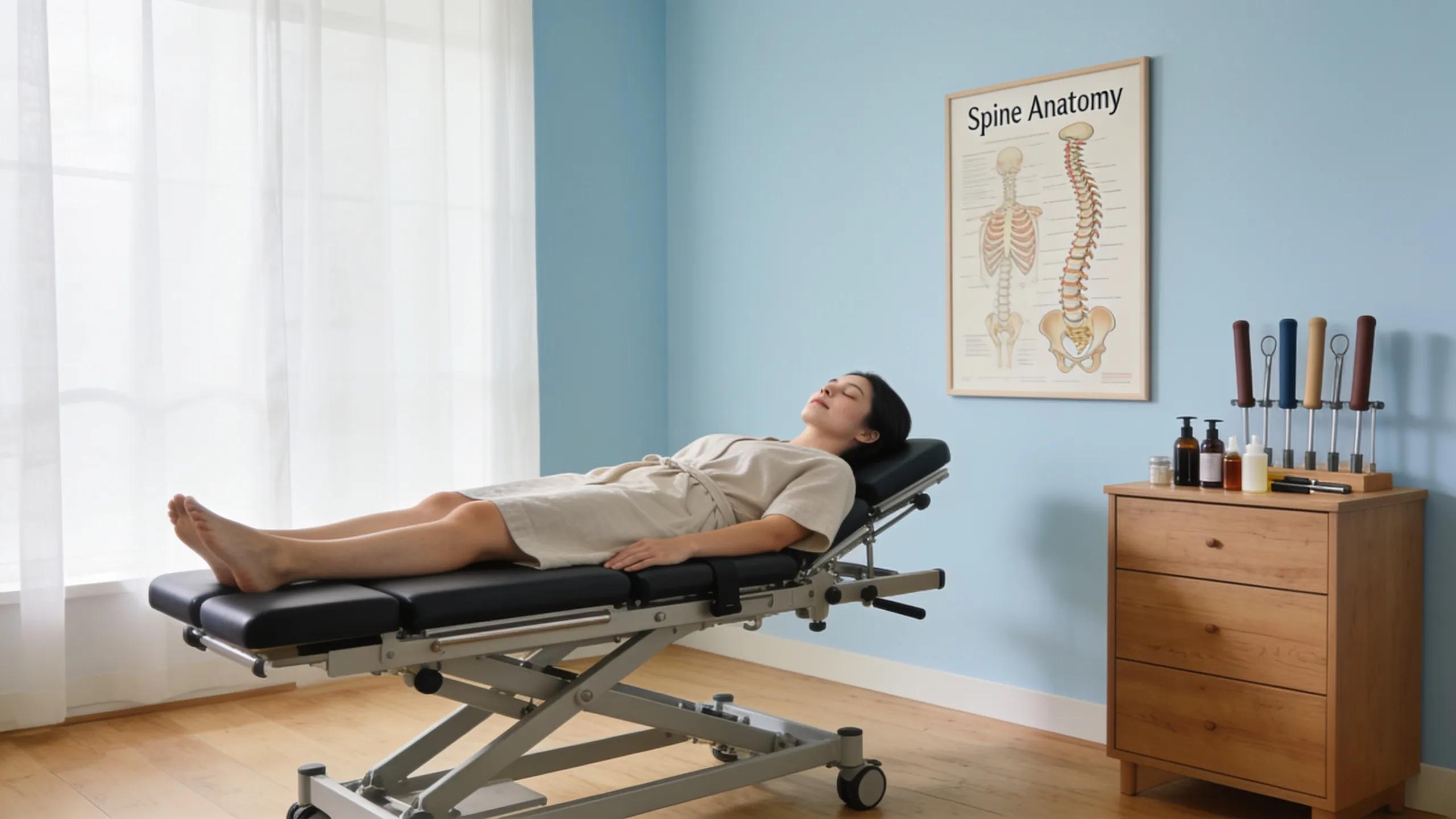
Spinal decompression is a non-surgical technique that gently distracts the spine to reduce pressure within intervertebral discs. The reduced disc pressure can allow bulging or herniated material to retract and improves local circulation, which supports tissue repair and symptom relief.
How Does Non-Surgical Spinal Decompression Relieve Back Pain?
Non-surgical spinal decompression helps by restoring disc nutrition and reducing nerve root compression, both of which can relieve pain and support functional recovery.
- Replenishment of Nutrients: By creating negative pressure, the therapy facilitates the movement of nutrients and fluids into the spinal discs, promoting healing.
- Reduction of Nerve Interference: The therapy alleviates pressure on nerve roots, reducing pain and discomfort associated with nerve compression.
Clinical studies provide evidence that non-surgical spinal decompression can improve pain, function, and quality of life in selected patients with lumbar radiculopathy when used alongside standard therapies.
Who Is a Suitable Candidate for Chiropractic Spinal Decompression?
Chiropractic spinal decompression is typically considered for patients with chronic back pain, herniated discs or sciatica who have not improved with conservative measures; a clinician assessment is necessary to confirm suitability and rule out contraindications.
What Does Traditional Back Surgery Involve and When Is It Recommended?
Traditional back surgery can include procedures such as laminectomy, discectomy or spinal fusion. Surgery is generally recommended when conservative care has failed and the patient has persistent, disabling symptoms or significant neurological compromise.
What Are the Common Types of Back Surgery for Chronic Pain?
Common surgical procedures for chronic back pain include laminectomy to relieve nerve pressure, discectomy to remove herniated disc material, and spinal fusion to stabilise the spine.
- Laminectomy: Removal of a portion of the vertebra to relieve pressure on the spinal cord or nerves.
- Discectomy: Removal of herniated disc material that is pressing on nerves.
- Spinal Fusion: Joining two or more vertebrae to stabilise the spine.
What Are the Risks and Benefits of Invasive Back Surgery?
Invasive back surgery can provide rapid structural correction and pain relief but carries risks such as infection, prolonged recovery and the possibility of persistent or recurrent pain; these trade-offs should be discussed with a spine specialist.
Explore More Insights on Spinal Decompression Therapy
Surgery often delivers faster structural correction, whereas spinal decompression tends to produce gradual improvement with fewer procedural risks; patient preference, diagnosis and expected outcomes guide the appropriate choice.
What Are the Recovery Times for Spinal Decompression vs. Back Surgery?
Recovery timelines differ: spinal decompression patients may resume normal activities within days and see progressive improvement over weeks, while surgical recovery often requires weeks to months and staged rehabilitation.
- Spinal Decompression: Patients often resume normal activities within a few days, with full benefits realised over several weeks.
- Traditional Surgery: Recovery can take weeks to months, depending on the procedure and individual healing rates.
How Do Success Rates and Patient Satisfaction Differ Between Treatments?
Success and satisfaction vary by condition and patient health. Many patients value the lower procedural risk of spinal decompression, while surgical outcomes depend on accurate diagnosis, surgical technique and postoperative care.
What Are the Alternatives to Back Surgery for Chronic Pain Management?
Non-surgical alternatives commonly include structured physical therapy, chiropractic care and appropriate medication to manage pain and inflammation, often combined in a multimodal plan.
- Physical Therapy: Tailored exercises and stretches to improve strength and flexibility.
- Chiropractic Care: Non-invasive adjustments to alleviate pain and improve spinal alignment.
- Medication Options: Over-the-counter or prescription medications to manage pain and inflammation.
How Does Regenerative Medicine Complement Spinal Decompression Therapy?
Regenerative therapies, such as platelet-rich plasma (PRP), may support tissue repair and can be used alongside spinal decompression to potentially enhance clinical outcomes. Learn more about regenerative medicine options available to complement treatment plans.
What Wellness Programs Support Long-Term Back Pain Relief?
Effective wellness programs combine anti-inflammatory nutrition advice and personalised exercise plans designed to strengthen core muscles, improve flexibility and reduce recurrence of symptoms.
What Do Patient Case Studies and Testimonials Reveal About Treatment Effectiveness?
Case studies and patient testimonials commonly report reduced pain and improved daily function after spinal decompression, though individual results vary and should be interpreted alongside clinical evidence.
How Have Patients Benefited from Non-Invasive Spinal Decompression?
Patients often experience lower pain levels, better mobility and an improved ability to perform daily activities; the non-invasive nature of the therapy typically makes recovery more comfortable than after major surgery.
What Are Common Patient Experiences Following Traditional Surgery?
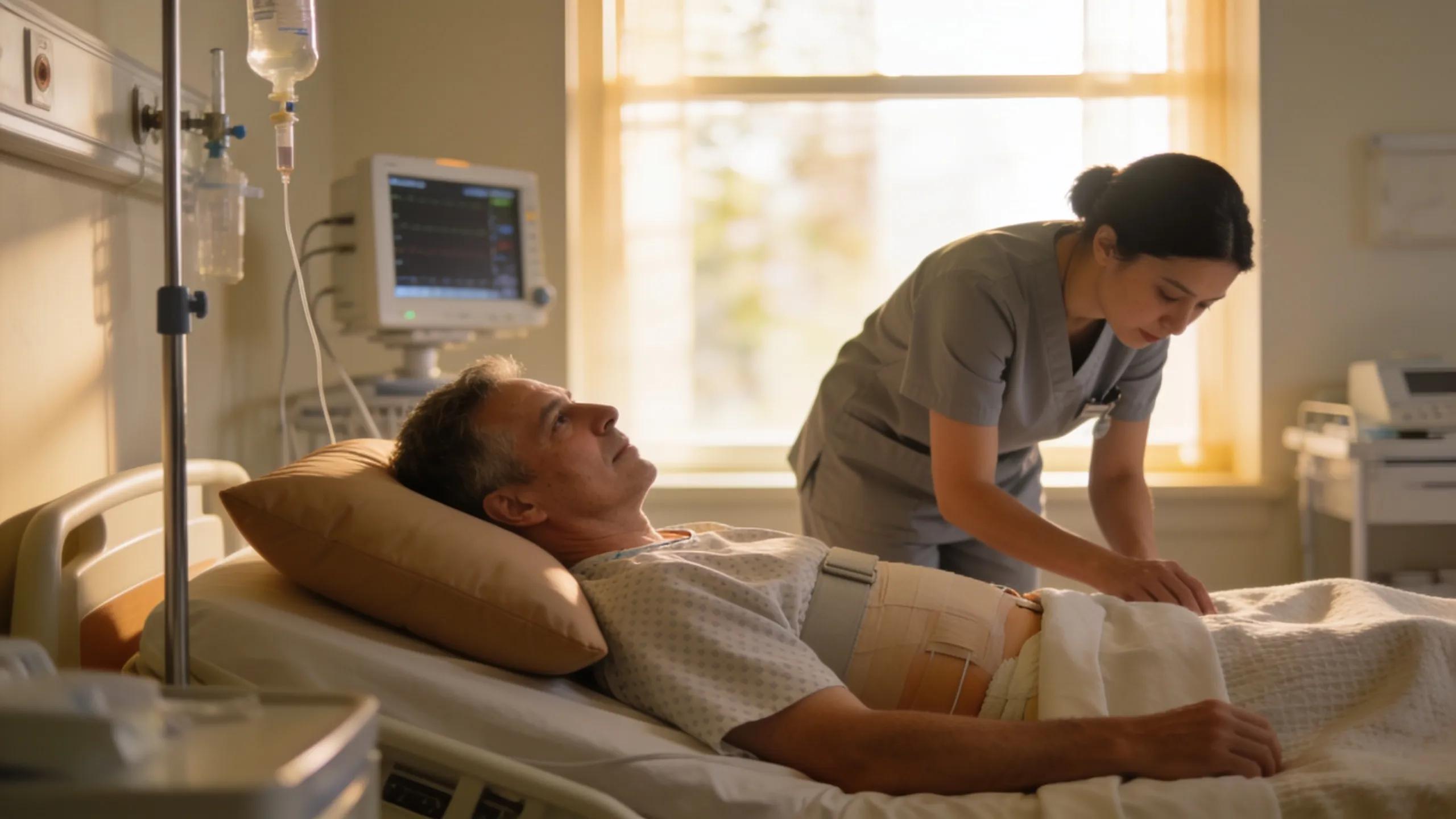
Postoperative recovery can include significant pain control measures, gradual mobilisation and physiotherapy; some patients recover fully, while others may face ongoing symptoms or complications that require further management.
Can Spinal Decompression Replace the Need for Surgery?
In selected cases, spinal decompression may avoid the need for surgery, particularly when symptoms and imaging findings indicate a favourable response to non-invasive care; clinical evaluation is essential to make this determination.
What Are the Risks Associated with Each Treatment Option?
Both options carry risks: spinal decompression can cause temporary discomfort and variable outcomes, while surgery involves operative risks, longer recovery and potential long-term complications.
Frequently Asked Questions
1. What conditions can spinal decompression therapy effectively treat?
Spinal decompression is often effective for herniated discs, sciatica, degenerative disc disease and some facet joint issues. It works by reducing pressure on discs and nerves to encourage healing and symptom improvement, and can be especially helpful for patients who have not responded to standard conservative care.
2. How can I determine if I am a suitable candidate for spinal decompression therapy?
Assessment by a qualified clinician is required. They will review your history, clinical examination and imaging to determine if spinal decompression is appropriate and safe given your specific diagnosis and overall health.
3. What can I expect from the experience of spinal decompression therapy?
Treatment involves lying on a specialised table that applies controlled traction to the spine. Most patients feel gentle stretching; sessions typically last 30–45 minutes and a course of treatments is usually recommended. Mild soreness is possible but pain is uncommon during the procedure.
4. Are there specific lifestyle changes that can enhance the effectiveness of spinal decompression therapy?
Yes. Regular low-impact exercise, improved posture, core-strengthening routines and a balanced, anti-inflammatory diet can support treatment outcomes and reduce the risk of recurrence.
5. What factors should I consider when deciding between spinal decompression therapy and traditional surgery?
Consider the severity and cause of your symptoms, diagnostic imaging, your general health, recovery expectations and the risks and benefits of each option. A spine specialist can help match treatment to your clinical goals.
6. How do the costs of spinal decompression therapy compare with traditional surgery?
Spinal decompression is typically less costly than surgery because it avoids hospitalisation, anaesthesia and extensive postoperative care. Costs vary by location and provider, and insurance coverage differs; confirm details with your insurer and treatment centre.
7. Can spinal decompression therapy be used alongside other treatments for back pain?
Yes. Spinal decompression is often combined with physical therapy, chiropractic care and multimodal pain management to address mechanical, muscular and functional contributors to back pain and improve overall outcomes.
Conclusion
Spinal decompression offers a non-invasive option that can reduce spinal pressure and improve mobility for many patients, with fewer procedural risks than surgery. Surgical intervention remains appropriate when structural problems require direct correction. Discuss your diagnosis, goals and treatment preferences with a qualified clinician to determine the safest, most effective path to lasting relief.
Schedule a visit or call 561-434-4900 to speak with our team.