
By Darren Lastofsky, Pivotal Health
Selecting a regenerative medicine clinic in Lake Worth can feel overwhelming given the number of options. Knowing which factors matter lets you make a confident, informed choice. This article outlines credentials, treatment options, technology and patient‑experience considerations so you can match a clinic to your health goals and treatment needs.
What Credentials and Certifications Should You Look for in a Lake Worth Regenerative Medicine Clinic?
Practitioner credentials and certifications are central to safe and effective care. Choose clinics staffed by licensed clinicians with verifiable training in regenerative medicine who follow evidence‑based protocols and safety standards. Certifications from recognized medical boards further indicate adherence to accepted clinical practices and patient‑safety measures.
How Does Professional Experience Impact Treatment Outcomes?
Clinical experience influences outcomes in regenerative medicine. Providers who have performed many procedures typically achieve better results through practical expertise. Case examples show experienced clinicians tailor treatment plans to individual needs, improving effectiveness and patient satisfaction.
Why Are Local Certifications and Licenses Important in Lake Worth Clinics?
State licences and local certifications confirm a clinic meets regional regulatory requirements. Clinics that hold these credentials demonstrate a commitment to standardised care, which supports patient safety and trust. Local recognition reassures patients that care follows applicable health protocols.
Explore Our Additional Regenerative Health Resources
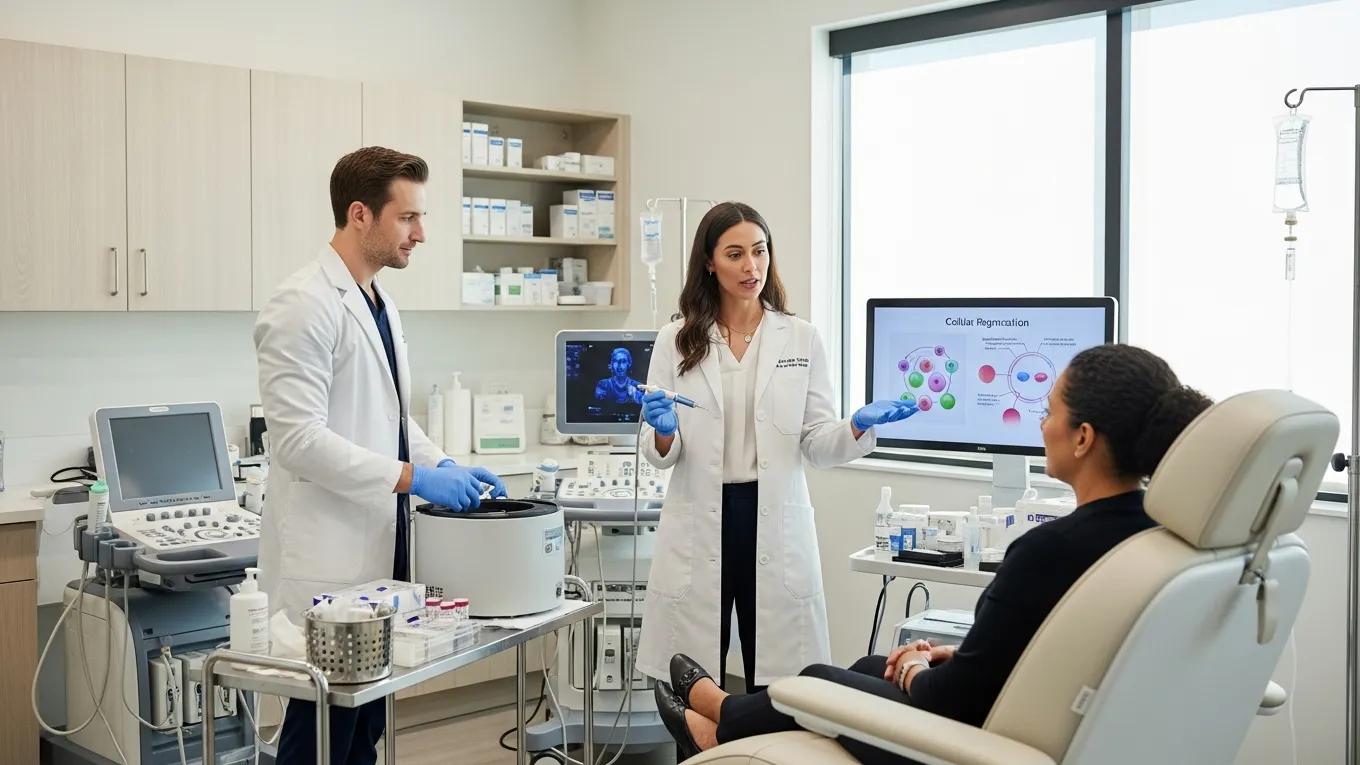
A comprehensive clinic offers treatments for different conditions, often including stem cell therapy and platelet‑rich plasma (PRP). These therapies aim to stimulate healing in targeted tissues.
Where offered, chiropractic care complements regenerative treatments by addressing spinal alignment and musculoskeletal function. This integrated approach supports the body’s natural healing and rehabilitation.
Understanding why patients seek treatments such as stem cell therapy is important during initial consultations:
What Non Invasive Therapies Are Available for Neuropathy and Joint Pain?
Non‑invasive therapies can relieve neuropathy and joint pain without surgery. Common options include:
- Electrotherapy: Uses electrical impulses to alleviate pain and promote healing.
- Massage Therapy: Enhances circulation and reduces muscle tension, contributing to pain relief.
- Cold Laser Therapy: Stimulates healing at a cellular level, effectively reducing inflammation and pain sensation.
These therapies commonly complement other treatments to form a comprehensive pain‑management plan. For advanced options, consider exploring neuropathy and joint pain solutions.
How Do Integrated Chiropractic and Regenerative Approaches Enhance Pain Management?
Integrated chiropractic and regenerative care work together to improve pain control. Chiropractic addresses structural alignment while regenerative therapies support tissue healing. Combined, they target pain sources and underlying contributors to chronic conditions, offering more comprehensive relief.
What Advanced Technology and Equipment Does the Clinic Use for Effective Regenerative Care?
Treatment effectiveness often depends on available technology. Clinics should use tools like ultrasound guidance and up‑to‑date regenerative platforms to improve procedural precision. Modern equipment enhances accuracy and safety and can lead to better patient outcomes and recovery.
How Does Modern Equipment Improve Safety and Recovery Times?
Modern devices improve safety and may shorten recovery. Real‑time imaging and precise delivery reduce complication risk. Clinical studies indicate patients treated with advanced equipment often recover faster and resume activities sooner with less pain.
Are Cutting-Edge Regenerative Procedures Supported by Latest Medical Research?
Current medical research continues to evaluate regenerative procedures for safety and effectiveness. Reputable clinics integrate findings from clinical studies to keep treatments evidence‑based. Knowing the research behind a procedure helps reassure patients and shows the clinic’s commitment to science‑based care.
How Do Patient Experiences and Testimonials Reflect Clinic Effectiveness?

Patient experiences and testimonials help indicate a clinic’s effectiveness. Positive accounts reflect successful outcomes and can guide prospective patients. Clinics that collect and publish feedback demonstrate transparency and a patient‑centred approach rather than simple promotion.
What Do Local Patients Say About Neuropathy and Chronic Pain Relief?
Local testimonials often report meaningful improvements in neuropathy and chronic pain. Many patients describe lasting relief from regenerative and non‑invasive treatments. These accounts validate clinical approaches and help set realistic expectations for prospective patients.
How Are Testimonials Incorporated to Build Trust and Credibility?
Well‑used testimonials build trust and credibility. Clinics include patient feedback in materials to illustrate outcomes and satisfaction. Sharing real experiences fosters accountability and helps new patients feel more confident choosing care.
What Are the Costs, Insurance Options, and Accessibility Factors for Regenerative Treatments in Lake Worth?
Understanding costs and insurance options is essential. Many clinics offer transparent pricing and assist with insurance verification to improve access. Key considerations include:
- Cost Transparency: Clinics should clearly outline treatment costs to prevent unexpected expenses.
- Insurance Compatibility: Many providers accept insurance, helping to reduce out-of-pocket costs for patients.
- Accessibility: Assess how far a clinic is from your residence, as convenience can be an important factor in deciding where to receive care.
These elements affect treatment commitment and overall satisfaction with results.
How Can You Verify a Regenerative Medicine Clinic’s Reputation and Continuous Quality Improvement?
To verify a clinic’s reputation, review its quality‑improvement practices. Look for evidence the clinic collects feedback and addresses concerns. Such systems improve patient safety and show a commitment to high standards.
What Role Do Structured Data and Online Reviews Play in Clinic Transparency?
Structured data and online reviews form a clinic’s digital footprint. They inform prospective patients about services, outcomes and performance. Positive reviews build credibility, and structured data enhances search visibility so patients can find and evaluate options.
How Does Ongoing Monitoring of Clinical Outcomes Ensure Patient Safety?
Continuous monitoring of clinical outcomes supports patient safety and treatment effectiveness. Clinics that use feedback loops can make data‑driven adjustments and improve care over time. This practice promotes accountability and transparency in patient‑centred care.
This summary highlights differing levels of efficacy and evidence for treatments, helping patients make informed care decisions.
Selecting a regenerative clinic requires assessing credentials, treatment technologies and patient experience. Considering these factors helps Lake Worth patients find providers that meet medical needs and quality expectations.
Frequently Asked Questions
What types of conditions can be treated with regenerative medicine?
Regenerative medicine can treat conditions such as joint pain, osteoarthritis, tendon injuries and neuropathy. These therapies use the body’s repair mechanisms and may include procedures like stem cell therapy or platelet‑rich plasma (PRP). Patients with chronic pain or sports injuries may experience meaningful relief.
How should I prepare for my first visit to a regenerative medicine clinic?
Before your first visit, gather medical records, past diagnoses, treatments and imaging. Bring a list of current medications and symptoms to help clinicians tailor care. Prepare questions about treatments and procedures so you leave with a clear understanding.
Are there age restrictions for receiving regenerative treatments?
There are no universal age limits for regenerative therapies, but suitability depends on health status and the treatment. Younger patients often heal faster, yet older adults can still benefit. A qualified practitioner should evaluate each patient to determine appropriateness.
How long does recovery take after regenerative treatments?
Recovery varies with the procedure, condition and individual. Patients may have swelling or discomfort for a few days and often return to light activities quickly. Full recovery can take weeks to months. Adhering to post‑treatment instructions is essential for best results.
What role does patient education play in regenerative medicine?
Patient education is central to care. Clinics should explain treatment options, likely outcomes and recovery. Clear information builds trust and helps patients make informed decisions. Knowing about lifestyle changes and complementary therapies can improve effectiveness and satisfaction.
Are regenerative medicine treatments covered by insurance?
Insurance coverage varies. Some procedures may be covered, while others are classed as experimental and not reimbursed. Check your policy for details and expected out‑of‑pocket costs. Many clinics assist with insurance verification to help patients access treatments.
Can I combine regenerative medicine with traditional medical treatments?
Regenerative therapies can often be combined safely with conventional treatments. An integrated approach can address symptoms and underlying causes—for example, adding regenerative treatment to physical therapy or medication. Always discuss combined therapies with your provider to confirm suitability.
Conclusion
Choosing the right clinic in Lake Worth secures care tailored to your health needs and preferences. Consider practitioner experience, treatment options and patient testimonials to identify providers likely to deliver effective, lasting results. Contact local clinics that match your goals to discuss care. Informed choices support better health outcomes—seek expert guidance when evaluating regenerative options.
Schedule a visit or call 561-434-4900 to speak with our team.