
By Darren Lastofsky, Pivotal Health
Regenerative medicine offers advanced options to address chronic pain, joint problems and broader health concerns. Your first consultation follows a structured process to evaluate your medical history, current symptoms and treatment goals. This guide explains what to expect, how to prepare and how to participate effectively in the visit so you can make informed decisions about your care.
This article provides a concise overview of the evaluation process, the conditions commonly treated and practical details such as what to bring, safety considerations and likely outcomes. It also lists questions to discuss with your clinician to help set clear expectations.
How Is Your Initial Regenerative Medicine Consultation Structured?
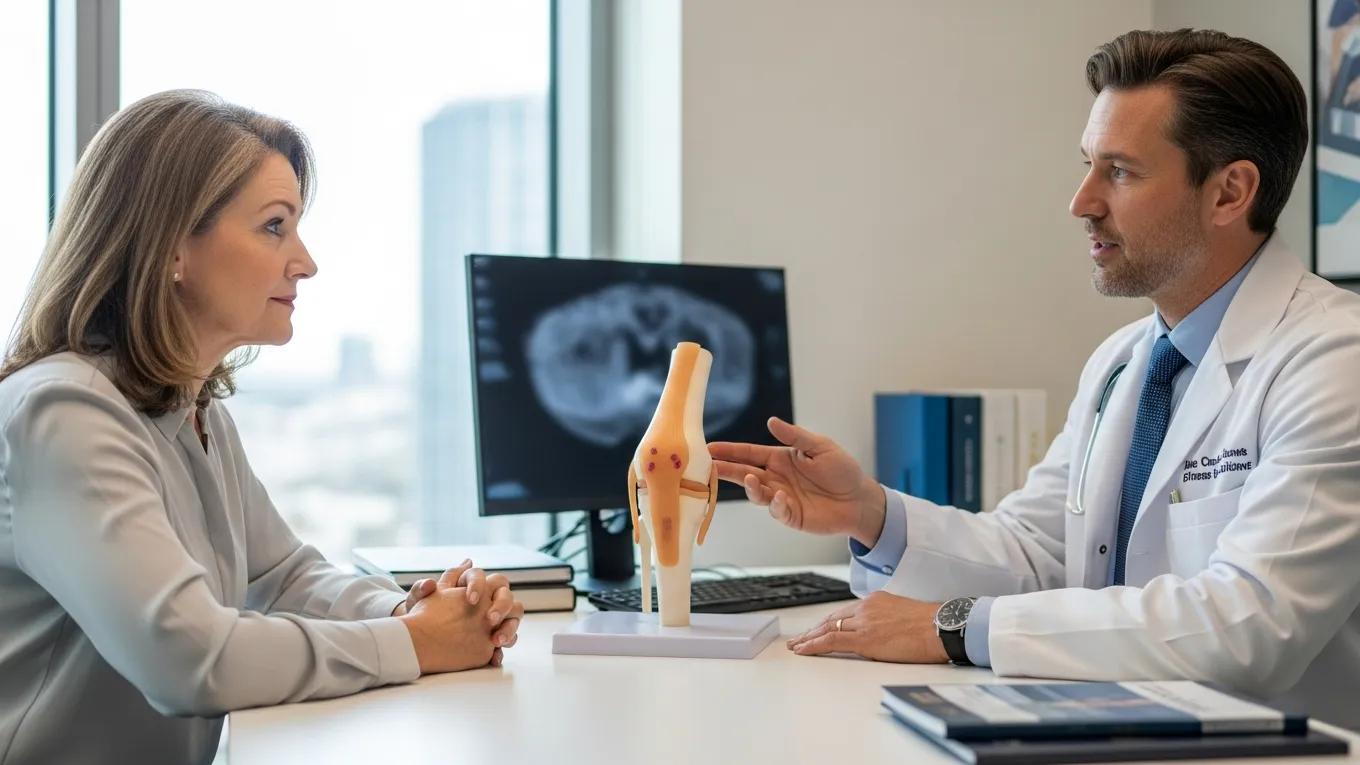
The initial consultation is designed to develop a personalised treatment plan based on a systematic clinical assessment. The visit typically includes a detailed review of your medical history, a focused physical examination and any appropriate diagnostic testing to identify the most suitable therapies for your condition.
What Are the Step-by-Step Evaluation and Diagnostic Procedures?

At the first appointment, the clinician will document your symptoms and prior treatments, perform a targeted physical examination and, where indicated, order diagnostic imaging or other tests. The clinical findings are used to determine the underlying causes of your symptoms and to inform a safe, evidence-based treatment plan tailored to your needs.
How Does Pain and Health History Inform Treatment Planning?
Your pain severity, pattern and medical history guide the choice of regenerative therapies. The clinician will integrate past diagnoses and treatments with current findings to identify appropriate options. This patient-centred approach aims to optimise recovery and functional improvement while minimising unnecessary interventions.
What Should You Bring and How to Prepare for Your First Consultation?
Preparation improves the efficiency and value of your consultation. Bringing relevant documentation and preparing questions allows the clinician to assess your case more accurately and to provide clearer recommendations.
Which Documents and Information Are Essential for Your Visit?
Bring copies of recent medical records, diagnostic images or reports, a list of current medications and supplements, insurance information and personal identification. Having these materials available enables a more thorough and timely assessment.
How Can You Maximize the Effectiveness of Your Consultation?
Actively engage with the clinician by describing your symptoms, functional limitations and treatment goals. Prepare a concise list of questions about diagnosis, treatment options, expected benefits and any risks. Clear, open dialogue supports collaborative decision making and a more effective care plan.
Which Conditions and Symptoms Are Typically Addressed During the Consultation?
Regenerative medicine consultations commonly address chronic musculoskeletal pain, joint degeneration, neuropathy and issues related to weight and metabolic health. Many therapies are non-invasive or minimally invasive and are selected to promote tissue repair and functional recovery.
How Are Chronic Pain, Neuropathy, and Joint Issues Evaluated?
Assessment of chronic pain and related conditions is comprehensive and may include a clinical examination, functional testing and imaging to identify structural or nerve-related causes. For patients with nerve symptoms, consideration of neuropathy and targeted options is part of the evaluation. These diagnostic steps help define the most appropriate regenerative strategies for your condition.
What Role Does Weight Management Play in Regenerative Therapies?

Body weight affects joint load and overall function, and weight management can improve the response to regenerative treatments. As part of a personalised plan, clinicians may recommend nutrition counselling and graduated exercise to reduce joint stress and support recovery.
Evidence indicates that lifestyle factors and comorbidities can influence treatment response, including therapies such as platelet-rich plasma; clinicians should discuss these factors as part of care planning.
Explore Our Latest Resources and Wellness Insights
Combining regenerative therapies with chiropractic care and tailored pain-management strategies can address both structural and functional contributors to pain. This integrated approach supports more comprehensive recovery and aligns treatments with each patient’s specific needs.
What Is the Role of Chiropractic Care in Enhancing Regenerative Outcomes?
Chiropractic interventions can improve joint mobility and spinal alignment, reducing mechanical stress and facilitating the effects of regenerative treatments. When coordinated with other therapies, these adjustments may enhance recovery and patient satisfaction.
How Are Pain Management Strategies Customized in the Consultation?
Pain management is individualised according to the patient’s history, symptom pattern and response to prior treatments. Clinicians adjust plans iteratively, using patient feedback and objective findings to refine therapy and achieve the best possible functional outcome.
What Are the Safety Considerations and Expected Benefits of Non-Invasive Regenerative Therapies?
Safety is central to treatment selection. Non-invasive regenerative options typically carry low risk when delivered by experienced clinicians. The anticipated benefits—reduced pain and improved function—are discussed alongside potential risks so patients can make informed choices.
How Are Treatment Safety and Risk Factors Addressed During Consultation?
During the consultation, the clinician will review relevant medical history, potential contraindications and the specific risks linked to each therapy. This discussion is intended to ensure informed consent and to involve the patient fully in treatment decisions.
What Patient Outcomes and Improvements Can Be Anticipated?
Patients may experience meaningful reductions in pain and improvements in mobility after completing recommended treatment cycles. Progress is monitored in follow-up visits, and outcomes vary by individual factors; clinicians will set measurable goals and timelines specific to each patient.
What Questions Should You Ask and How to Understand the Consultation Outcomes?
Asking targeted questions helps clarify the diagnosis, the rationale for proposed therapies and what to expect during recovery. A clear exchange with the clinician supports realistic expectations and shared decision making.
Which Common Questions Help Clarify Treatment Plans?
Ask for details about each treatment option, likely benefits, potential side effects, expected recovery timelines and any recommended lifestyle changes. These questions help establish realistic goals and prepare you for the recovery process.
How Can Patient Testimonials Inform Your Expectations?
Patient testimonials provide context about others’ experiences and can illustrate typical recovery paths and outcomes. Use them alongside clinical guidance to form balanced expectations rather than as definitive evidence of individual results.
Understanding what to expect during your first consultation helps you participate actively in care. Preparing documentation, asking informed questions and discussing realistic goals with your clinician will improve the value of the visit and support better outcomes.
Clear guidance during consultations assists patients in interpreting the substantial and sometimes conflicting information available about regenerative medicine.
Recognising patient motivations and correcting misconceptions are essential components of an effective consultation and improve health literacy about realistic treatment outcomes.
Frequently Asked Questions
What is regenerative medicine?
Regenerative medicine focuses on restoring or replacing damaged tissues and organs to recover normal function. It encompasses techniques such as stem cell therapies, tissue engineering and gene-based approaches that aim to stimulate the body’s repair mechanisms. The objective is to address underlying causes of disease and offer longer-term solutions for conditions like chronic pain and degenerative joint disease.
Are regenerative medicine therapies covered by insurance?
Insurance coverage for regenerative therapies varies by insurer and by the specific treatment. Many standard plans do not cover newer or investigational procedures. Patients should confirm coverage with their insurer and discuss potential payment options or financial assistance with their healthcare team.
What can I expect in terms of recovery time after treatment?
Recovery timelines depend on the procedure and individual factors. Some minimally invasive therapies allow a rapid return to normal activities, while more intensive treatments require extended recovery. Your clinician will outline expected timelines and any activity restrictions during the consultation.
How do I determine if regenerative medicine is right for me?
Determining suitability requires a thorough review of your medical history, symptoms and prior treatments. A specialist in regenerative medicine will assess these factors and recommend a personalised treatment plan if appropriate, considering your overall health and treatment goals.
What lifestyle changes should I consider after treatment?
Certain lifestyle measures support recovery and treatment effectiveness. These typically include a balanced diet, adequate hydration, regular moderate exercise, stress management and smoking cessation. Your clinician will provide tailored recommendations based on your therapy and health status.
Are there any side effects associated with regenerative medicine treatments?
Regenerative treatments are generally well tolerated, but some patients may experience temporary side effects such as local discomfort, swelling or bruising. The clinician will review specific risks and strategies to manage any adverse effects during the consultation.
Conclusion
Regenerative medicine offers targeted options to restore function and improve quality of life. By learning the consultation process, preparing relevant information and collaborating openly with your clinician, you can set realistic goals and optimise treatment outcomes. Review our resources and contact the clinic to schedule a consultation with our experienced team when you are ready.
Schedule a visit or call 561-434-4900 to speak with our team.