
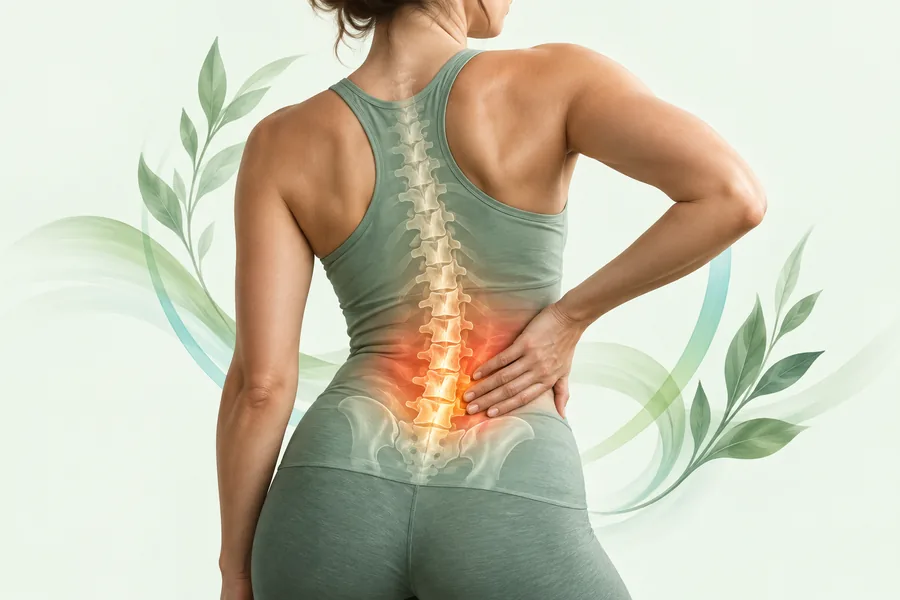
Back pain affects a large number of people and can significantly reduce daily function and quality of life. Non-surgical options allow many patients to manage pain without operations. This page outlines non-surgical services available in Lake Worth, FL, with a focus on Pivotal Health and Wellness. You will find clear descriptions of treatment types, evidence of their effectiveness, and how they support lasting improvement. We cover chiropractic care, spinal decompression, and regenerative medicine, and explain how integrated pain management and wellness programs support recovery.
Available Treatments
Pivotal Health and Wellness provides several non-surgical approaches aimed at relieving back pain and restoring function. Options include the following services.
- Chiropractic Care: This approach focuses on spinal adjustments to alleviate pain and improve mobility.
- Spinal Decompression Therapy: A non-invasive technique that relieves pressure on spinal discs, promoting healing and pain relief. spinal decompression therapy
- Regenerative Medicine Options: Innovative therapies that utilize the body’s natural healing processes to repair damaged tissues.
Treatment plans are customised for each patient, combining therapies as needed to address pain, function, and long-term recovery.
What Non-Invasive Back Pain Treatments Are Available in Lake Worth?
Lake Worth clinics offer a range of non-invasive therapies to manage back pain without surgery. These treatments are selected to reduce pain, restore mobility, and support tissue healing.
- Chiropractic Adjustments: These adjustments realign the spine, reducing pain and improving function.
- Physical Therapy: Customized exercise programs designed to strengthen muscles and improve flexibility.
- Acupuncture: A traditional Chinese medicine technique that involves inserting needles into specific points to relieve pain.
- Massage Therapy: Therapeutic massage can help reduce muscle tension and improve circulation.
Clinicians often combine these therapies into an integrated plan to improve outcomes and address multiple contributors to pain.
How Does Chiropractic Care Provide Effective Back Pain Relief?
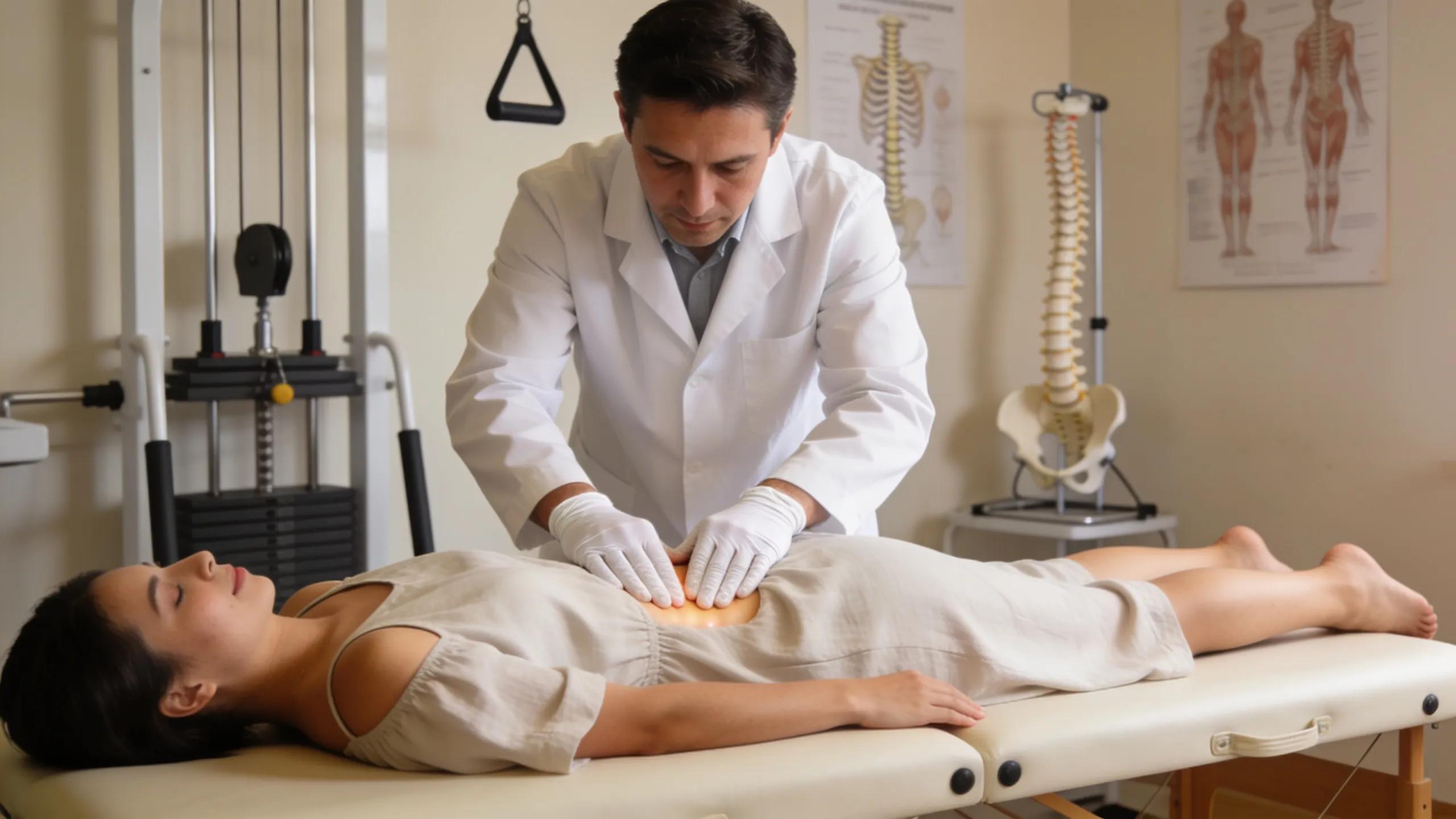
Chiropractic care uses targeted manual adjustments to restore spinal alignment and function. Proper alignment can reduce nerve irritation and local inflammation, which frequently lowers pain and improves range of motion. Many patients report quicker mobility gains after a course of care. Chiropractic treatment aims to treat both symptoms and contributing mechanical issues to support longer-term resilience.
What Are the Benefits of Spinal Decompression Therapy?
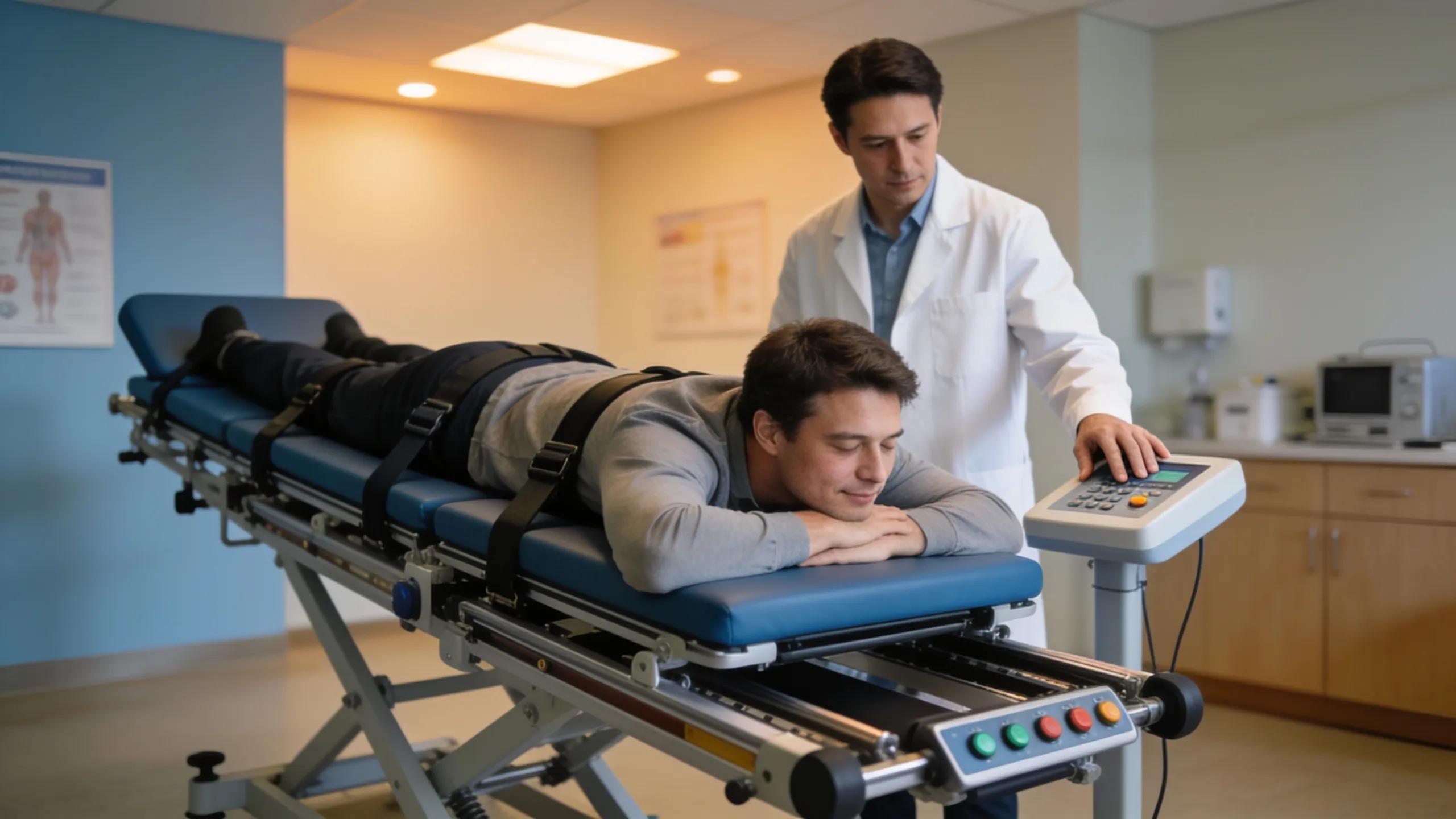
Spinal decompression gently stretches the spine to reduce pressure on discs and affected nerves. The procedure can relieve pain, help restore motion, and support healing by improving nutrient and blood flow to injured tissues.
- Pain Relief: Many patients experience immediate relief from chronic back pain.
- Improved Mobility: By reducing pressure on the spine, patients often regain lost range of motion.
- Enhanced Healing: The therapy promotes nutrient-rich blood flow to the affected areas, facilitating healing.
As a non-surgical option, spinal decompression is valuable for patients seeking symptom relief and functional improvement without operative risks.
Which Regenerative Medicine Options Support Back Pain Recovery?
Regenerative medicine applies therapies that use the body’s own healing mechanisms to repair damaged tissues. In back pain care, these therapies aim to restore tissue health and reduce chronic symptoms.
- Platelet Rich Plasma (PRP) Therapy: This treatment involves injecting concentrated platelets from the patient’s blood into the affected area to promote healing.
- Stem Cell Therapy: Utilizing stem cells to regenerate damaged tissues, this therapy aims to repair the underlying causes of pain.
Regenerative treatments can enhance repair and function for selected patients and are often used alongside other non-surgical therapies. Regenerative medicine
Studies have shown that regenerative medicine, particularly PRP and MSCs, is increasingly being explored for its effectiveness in managing chronic low back pain, offering a promising alternative to traditional treatments.
How Do Platelet Rich Plasma and Stem Cell Therapies Work?
PRP therapy concentrates platelets from a patient’s blood and injects them into injured tissue; the growth factors it releases can reduce inflammation and stimulate repair. Stem cell therapy introduces cells that can differentiate and support tissue regeneration. Clinical studies show both approaches can aid healing and reduce symptoms in appropriate candidates.
What Outcomes Can Patients Expect from Regenerative Treatments?
Patients receiving regenerative therapies commonly report reduced pain, improved function, and progress that can continue over months as tissues heal.
- Reduced Pain: Many individuals report significant pain relief following treatment.
- Improved Functionality: Enhanced mobility and strength are common as healing progresses.
- Long-Term Benefits: Regenerative therapies aim to address the root causes of pain, leading to sustained relief over time.
These outcomes demonstrate the role regenerative medicine can play in a comprehensive, non-surgical treatment plan.
How Do Pain Management Clinics in Lake Worth Address Chronic Back Pain?
Pain clinics in Lake Worth, including Pivotal Health and Wellness, use a multidisciplinary model to treat chronic back pain. Teams combine medical assessment, physical rehabilitation, and supportive services to create a tailored plan for each patient.
- Comprehensive Assessments: Detailed evaluations to identify the underlying causes of pain.
- Personalized Treatment Plans: Customized approaches that may include medication, physical therapy, and alternative treatments.
- Ongoing Support: Continuous monitoring and adjustments to treatment plans based on patient progress.
This coordinated care model helps address both pain and its contributing factors, with the goal of improving daily function and quality of life.
What Integrated Pain Management Services Are Offered?
Integrated services combine therapies that work together to reduce pain and restore function. Typical offerings cover pharmacologic care, rehabilitation, and psychosocial support to address the whole patient.
- Medication Management: Prescribing appropriate medications to manage pain effectively.
- Physical Rehabilitation: Tailored exercise programs to strengthen muscles and improve flexibility.
- Counseling Services: Psychological support to help patients cope with chronic pain.
When combined, these services deliver comprehensive care that addresses physical symptoms and emotional wellbeing.
How Do Neuropathy Treatments Complement Back Pain Care?
Treating neuropathy can reduce symptoms that worsen back pain. Addressing nerve-related contributors helps improve overall outcomes when combined with spine-focused therapies.
- Medications: Prescribing medications to alleviate nerve pain.
- Physical Therapy: Exercises designed to improve nerve function and reduce pain.
- Nutritional Support: Dietary changes that promote nerve health.
Combining neuropathy care with back pain treatments can improve function and reduce discomfort. neuropathy treatments
What Wellness Programs Enhance Non-Surgical Back Pain Treatment?
Wellness programs provide supportive services that accelerate recovery and reduce recurrence. They focus on lifestyle factors that affect pain and healing.
- Nutritional Counseling: Guidance on dietary choices that support overall health and recovery.
- Exercise Programs: Structured activities designed to improve strength and flexibility.
- Stress Management Techniques: Practices such as yoga and meditation to reduce stress and promote relaxation.
These complementary strategies integrate with clinical treatments to support sustained recovery and improved wellbeing.
Learn More About Spinal Decompression Therapy
The ProBalance program combines nutrition and exercise to support weight management and reduce spinal load. It offers personalised meal plans, tailored exercise routines, and regular follow-up to track progress.
- Personalized Nutrition Plans: Tailored dietary recommendations to promote healthy weight loss.
- Exercise Regimens: Customized fitness programs that enhance strength and flexibility.
- Ongoing Support: Regular check-ins to monitor progress and make necessary adjustments.
By reducing excess weight and improving strength, ProBalance can lower mechanical stress on the spine and help relieve pain. ProBalance program
Why Is Holistic Wellness Important for Chronic Back Pain Patients?
Holistic wellness recognises that physical symptoms are linked to emotional and lifestyle factors. Treating the whole person improves the chance of lasting benefit rather than focusing solely on symptoms.
- Comprehensive Care: Treating the whole person rather than just the symptoms.
- Preventative Strategies: Focusing on lifestyle changes that promote long-term health.
- Empowerment: Encouraging patients to take an active role in their recovery.
Adopting a holistic plan helps patients achieve better pain control, greater function, and improved overall quality of life.
Where Are the Top-Rated Non-Surgical Back Pain Treatment Centers in Lake Worth?
Lake Worth hosts several highly regarded non-surgical back pain centres, including Pivotal Health and Wellness. These practices are known for experienced clinicians, modern therapies, and patient-centred care.
- Experienced Practitioners: Skilled professionals dedicated to providing high-quality care.
- Advanced Treatment Options: Access to the latest non-surgical therapies and technologies.
- Positive Patient Reviews: High satisfaction rates among patients who have experienced successful outcomes.
Selecting a centre with proven experience and a clear treatment pathway supports safer, more effective care. Pivotal Health and Wellness
What Should Patients Consider When Choosing a Back Pain Clinic?
When choosing a clinic, review its reputation, treatment range, and accessibility. Look for evidence of positive patient outcomes and clinicians who offer personalised plans that match your needs.
- Reputation and Reviews: Researching patient testimonials and clinic ratings can provide insight into the quality of care.
- Treatment Options: Ensuring the clinic offers a range of non-surgical treatments tailored to individual needs.
- Accessibility: Considering the location and availability of services to facilitate regular visits.
Careful comparison and an initial consultation will help you confirm the best fit for your condition and recovery goals.
How Do Patient Testimonials Reflect Treatment Success?
Patient testimonials offer practical insight into symptom improvement, functional gains, and the patient experience. They can indicate how well a clinic supports recovery and ongoing care.
- Pain Relief: Many patients share their experiences of significant pain reduction following treatment.
- Improved Quality of Life: Testimonials often highlight enhanced mobility and daily functioning.
- Positive Interactions: Patients frequently mention the supportive and caring nature of the clinic staff.
Reading multiple patient accounts helps prospective patients set realistic expectations about outcomes and care quality.
What Are Common Patient Questions About Non-Surgical Back Pain Treatments?
Patients commonly ask about treatment duration, safety, and expected results. Clear answers about these topics help patients make informed choices and stay engaged with their care plan.
- How long does treatment take?: Treatment duration varies based on individual needs and the specific therapies used.
- Are these treatments safe?: Non-surgical treatments are generally considered safe, with minimal risks involved.
- What results can I expect?: Many patients experience significant pain relief and improved function with consistent treatment.
Providing transparent timelines and realistic outcome expectations supports patient confidence and adherence.
How Safe and Effective Are Non-Invasive Therapies?
Non-invasive therapies have established safety profiles and are effective for many patients with back pain. Clinical studies and patient outcomes support their use as first-line options for many conditions.
- Safety Profiles: Most non-invasive therapies have established safety records, making them suitable for a wide range of patients.
- Effectiveness: Studies show that many patients experience significant pain relief and improved quality of life through non-surgical approaches.
- Patient Satisfaction: High satisfaction rates among patients further underscore the effectiveness of these therapies.
For suitable candidates, these therapies offer a lower-risk path to pain relief and functional recovery compared with surgery.
What Is the Typical Treatment Process and Duration?
A typical non-surgical treatment pathway begins with a thorough evaluation, followed by a personalised plan that may combine therapies, and regular follow-up to measure progress and adjust care.
- Initial Consultation: Patients undergo a comprehensive assessment to identify the underlying causes of their pain.
- Personalized Treatment Plan: Based on the assessment, a tailored treatment plan is developed, incorporating various therapies.
- Ongoing Monitoring: Regular follow-ups are conducted to assess progress and make necessary adjustments to the treatment plan.
Treatment length depends on the condition and patient response; many people notice meaningful improvement within weeks when they follow a consistent plan.
Frequently Asked Questions
What factors should I consider when selecting a non-surgical treatment for back pain?
When evaluating non-surgical treatments for back pain, consider the therapy type, provider experience, and patient feedback. Choose an approach that fits your lifestyle and recovery goals, and discuss any other health conditions with your clinician. Comparing multiple clinics helps identify the best match for your needs.
How do physical therapy and chiropractic care differ in treating back pain?
Physical therapy focuses on strengthening, flexibility, and functional rehabilitation through exercise and education. Chiropractic care centres on spinal adjustments to correct alignment and reduce nerve irritation. Depending on your diagnosis, combining both approaches can provide complementary benefits.
Are there lifestyle changes that can support my back pain recovery?
Yes. Regular exercise, weight management, and good posture reduce strain on the spine. Stress reduction, adequate sleep, and an anti-inflammatory diet also support healing. These changes complement clinical treatments and help prevent recurrence.
What is the estimated cost of non-surgical back pain treatments?
Costs vary by therapy, provider, and location. For example, chiropractic adjustments may range from $30 to $100 per session, while physical therapy sessions typically cost $50 to $150. Review your insurance coverage and ask about payment options or package pricing at the clinic.
How quickly can I expect to see results from non-surgical treatments?
Response times differ by individual and therapy. Some patients feel relief within days—often after chiropractic adjustments or decompression—while others see gradual improvement over several weeks. Consistent attendance and adherence to the plan improve long-term results.
Can non-surgical treatments be effective for chronic back pain?
Yes. Treatments such as chiropractic care, physical therapy, and regenerative medicine can reduce chronic pain and improve function. These approaches target underlying contributors and are delivered through personalised plans to support lasting improvement.
How do you find the right practitioner for non-surgical back pain treatment?
Research local clinicians, verify credentials, and read patient reviews. Seek practitioners who specialise in non-surgical care for your condition and offer a clear treatment plan. An initial consultation lets you assess communication style and whether you feel confident in their approach.
Conclusion
Non-surgical back pain treatments provide effective alternatives to surgery for many patients. By combining chiropractic care, spinal decompression, regenerative medicine, and supportive wellness services, clinicians can deliver personalised plans that reduce pain and restore function. If you are exploring non-surgical options, review available treatments and consult with a qualified team to determine the best plan for your recovery.
Schedule a visit or call 561-434-4900 to speak with our team.