
By Darren Lastofsky, Pivotal Health
Platelet-Rich Plasma (PRP) therapy uses a patient’s own blood to concentrate platelets and support joint healing. It is used for conditions such as arthritis and tendon injuries. This article explains how PRP works, its potential benefits and risks, and how it compares with other non-surgical options. You will learn which joint conditions may respond to PRP, what the treatment involves, and how clinics like Pivotal Health and Wellness tailor plans to individual needs.
Explore Additional Regenerative Therapy Insights
PRP is a non-invasive regenerative option that harnesses the body’s healing mechanisms to reduce pain and promote recovery. Unlike medications or surgery, PRP relies on biological components taken from the patient to support tissue repair and reduce inflammation.
We also compare PRP with other treatments. Physical therapy improves strength and flexibility, while PRP aims directly at repairing joint tissues and may provide longer-lasting improvements. The clinical evidence for PRP is growing, making it an increasingly considered option for joint pain management.
Overview of PRP Therapy:
PRP is produced by drawing a small volume of blood and processing it to concentrate the platelets, which contain growth factors important for healing. The concentrated PRP is then injected into the affected joint or tissue. The procedure is straightforward, usually performed on an outpatient basis, and patients typically go home the same day.
PRP is not limited to a single joint or condition; it has applications across a range of joint problems, which makes it a versatile tool for clinicians. A clear understanding of PRP’s components helps explain its role in managing joint pain.
How PRP Therapy Works:
PRP stimulates healing by releasing growth factors that trigger and accelerate the body’s natural repair processes. The response can include increased blood flow, collagen formation, and tissue regeneration in the damaged area.
The procedure generally follows three steps:
- Blood Collection: A small sample is taken from the patient.
- Centrifugation: The blood is spun rapidly to separate its components, concentrating the platelets.
- Injection: The concentrated PRP is injected into the injured area, promoting repair and reducing inflammation.
These biological actions help explain why some patients seek PRP as a more natural alternative to conventional joint treatments.
Benefits of PRP Therapy:

PRP offers several advantages as a treatment for joint pain, including:
- Natural Healing Properties: Utilizes the body’s own elements to promote healing without foreign substances.
- Minimal Recovery Time: Most patients can return to regular activities soon after treatment.
- High Success Rate: Many clinical studies show significant improvement in pain and function post-treatment.
How Pivotal Health and Wellness Customizes PRP Treatment Plans
Pivotal Health and Wellness individualises PRP plans based on thorough clinical assessment and the integration of complementary therapies to enhance results. Each plan considers the specific joint condition and the patient’s overall health to support optimal recovery.
Patient Engagement in Treatment Plans
The clinic encourages patients to discuss their goals and concerns. This collaborative approach informs treatment decisions and helps patients feel involved in their care, which can improve adherence and outcomes.
Potential Risks:
PRP is generally considered safe but carries some risks. These may include:
- Mild Soreness: Some patients experience transient discomfort at the injection site.
- Possible Infection: Although rare, any injection carries a risk of infection.
- Eligibility Considerations: Not every patient may be a suitable candidate for PRP therapy due to varying joint conditions or other health issues.
A clear discussion of these risks enables patients to make informed decisions when considering PRP versus other treatment options.
Comparison with Alternative Therapies:
Against other therapeutic options, PRP differs in several respects. The most frequent alternatives include:
- Physical Therapy: Focuses on rehabilitation and strengthening surrounding muscles but may not address the root cause of joint pain.
- Chiropractic Care: Offers spinal adjustments which can relieve pain but do not regenerate joint tissue.
- Medications: Steroidal injections or pain relievers have short-term benefits but may involve potential side effects or dependency.
PRP supports tissue repair and may reduce the need for invasive procedures, offering a more regenerative approach to joint care.
What is PRP Therapy and How Does It Work for Joint Pain Relief?
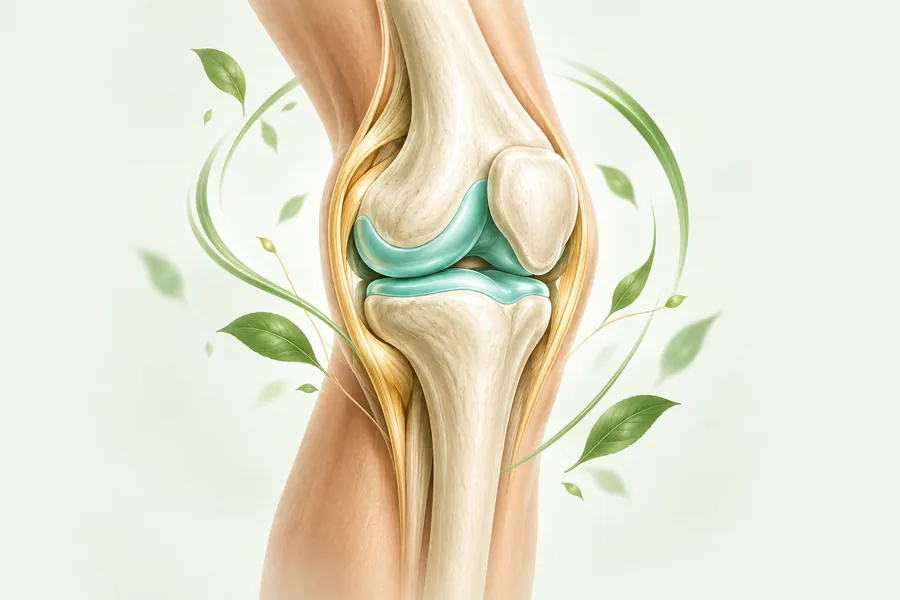
PRP is a biological treatment that concentrates platelets and growth factors from the patient’s blood to stimulate repair in damaged tissues. It aims to reduce inflammation, enhance recovery, and restore function, particularly in the knees, shoulders, and hips.
What is Platelet Rich Plasma and Its Role in Healing?
Platelet-rich plasma is the plasma fraction of blood with a higher concentration of platelets than baseline. These platelets release growth factors that help control inflammation and support the renewal of joint tissues.
How Does PRP Therapy Promote Joint Tissue Regeneration?
PRP releases bioactive proteins that encourage cell proliferation and collagen synthesis within the joint. This regenerative effect can lead to improved joint function and reduced pain.
Which Joint Pain Conditions Can Benefit from PRP Therapy?
PRP may help a variety of joint conditions, including:
- Osteoarthritis: A degenerative joint disease characterized by cartilage wear and pain.
- Tendon Injuries: Injuries such as tendonitis that benefit from localized healing.
- Ligament Injuries: Damage to ligaments needing support for quick recovery.
Targeting these conditions allows PRP to provide a focused strategy for managing joint pain and supporting recovery.
How Effective is PRP for Osteoarthritis and Arthritis Relief?
Clinical studies indicate that PRP can be effective for osteoarthritis, with many patients reporting reduced pain and improved function within weeks. Some reviews and meta-analyses report meaningful symptom relief that can last for months, supporting PRP as a valuable option alongside traditional treatments.
Further research highlights the efficacy of regenerative approaches like PRP for knee osteoarthritis, offering promising alternatives to conventional treatments.
Can PRP Therapy Help with Tendon Injuries and Neuropathy-Related Joint Pain?
Clinical evidence supports PRP for several tendon injuries, offering a non-surgical option that can shorten recovery, reduce pain, and improve function in conditions such as tennis elbow and Achilles tendinitis. Research is also exploring PRP’s role for neuropathy-related joint pain.
Who is Eligible for PRP Therapy and What is the Consultation Process?
Candidates typically include patients with chronic joint pain or injuries that have not responded to conventional care. During the consultation, clinicians review medical history and imaging studies to determine whether PRP is an appropriate option.
What Are Patient Criteria for Receiving PRP Injections?
Common eligibility factors include:
- Age: Most patients are adults, as younger patients may heal sufficiently without PRP.
- Condition Severity: Those with moderate to severe joint pain may benefit most.
- Overall Health: Patients must not have active infections or blood disorders that could complicate treatment.
Frequently Asked Questions
What is the difference between PRP therapy and other joint pain treatments?
PRP uses the body’s own healing mechanisms rather than focusing solely on symptom control. Physical therapy addresses muscle strength and flexibility, while PRP targets tissue repair by delivering concentrated platelets to stimulate healing. This approach can lead to longer-lasting relief versus temporary symptom management from medications or invasive procedures.
How long does it take to see results from PRP therapy?
Many patients notice improvement within a few weeks. Timelines vary by condition and severity; most clinical studies report substantial benefits between 4 and 12 weeks, and some individuals experience relief for several months or longer.
Are there any specific contraindications for PRP therapy?
Certain conditions may preclude treatment, including active infections, severe clotting disorders, or the use of blood-thinning medications. Some cancers or autoimmune diseases may also affect eligibility. A thorough consultation helps assess these risks and determine suitability.
What should I expect during the PRP injection procedure?
The procedure is typically performed in an outpatient setting. After a blood sample is drawn, processing to concentrate platelets usually takes about 30–60 minutes. The PRP is then injected into the target area under local anaesthesia. Patients may feel mild discomfort but can generally resume normal activities soon after.
How does PRP therapy compare with steroid injections?
Steroid injections can provide rapid pain relief by reducing inflammation but do not promote tissue repair and may cause joint damage with repeated use. PRP delivers growth factors that encourage the body’s repair processes, addressing the underlying injury rather than only masking symptoms.
Can PRP therapy be used in combination with other treatments?
Yes. PRP is often combined with physical therapy, chiropractic care, or medication regimens. Many clinics, including Pivotal Health and Wellness, take a holistic approach and integrate PRP with complementary therapies to create tailored plans that support recovery and improved function.
Conclusion
PRP can support the body’s natural repair processes for a range of joint conditions, offering pain reduction and improved function without invasive surgery. If you are considering a regenerative approach, discuss PRP with your clinician to determine whether it can be personalised to your needs and recovery goals.
Schedule a visit or call 561-375-5780 to speak with our team.